
Container House in the Wild
When using container houses in the wild, it is essential to focus on four key aspects: structural safety, fire safety, environmental adaptability, and compliance:
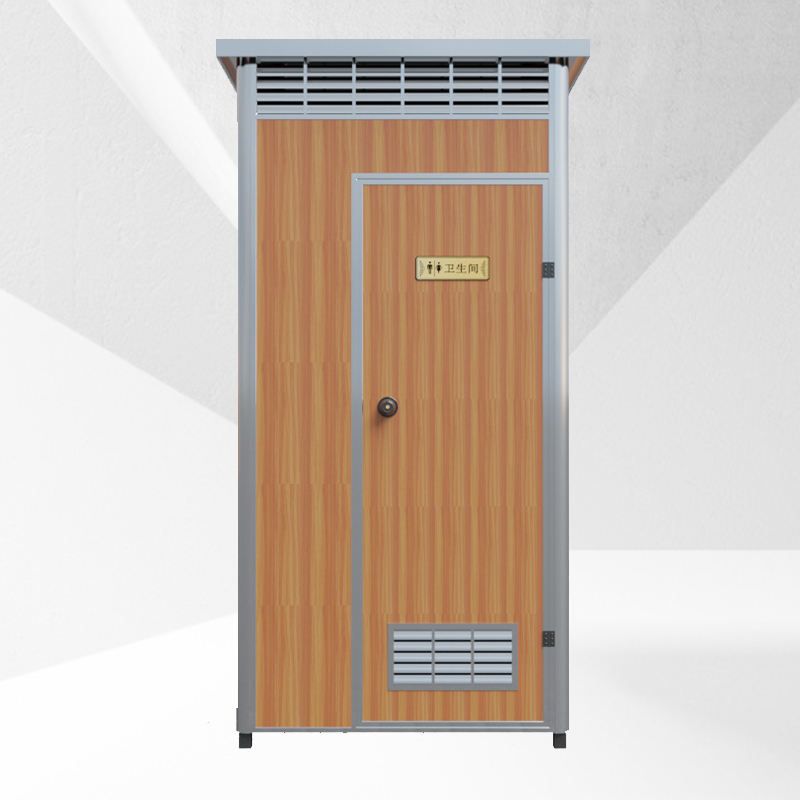
Structural safety is the fundamental guarantee. Choose structures that comply with international standard container dimensions and load-bearing designs, ensuring the steel frame has sufficient strength. For example, welded integral containers have strong resistance to deformation and are suitable for frequent lifting; for bolt-connected containers, check the wall thickness of the columns and bottom beams (recommended 1.5-3 mm) to ensure tight connection nodes. If used for long-term residence or in areas with high earthquake or wind risks, reinforce the frame design and add wind and earthquake resistance measures.
Fire safety must be strictly controlled. Avoid using flammable sandwich materials such as polystyrene and polyurethane foam, and prioritize A-grade fire-resistant materials like rock wool panels and fireproof cotton. Electrical wiring should be protected with sleeves, and socket switches should use metal galvanized boxes and be surface-mounted, equipped with simple firefighting equipment. Maintain a minimum distance of 6 meters between houses, keep heat and fire sources away from the panel houses, and ensure a safe distance for open flame operations. For example, the fire in Linping District, Hangzhou, was caused by electrical wiring faults igniting weeds.
Environmental adaptability requires targeted design. In extreme climate areas, enhance thermal insulation performance by adding sandwich panels, but balance energy consumption and cost. For wilderness operation scenarios, strengthen waterproofing measures, such as setting up double-layer leak-proof trays and overall secondary leak-proof chassis, to prevent rainwater infiltration and soil contamination. In areas with heavy rainfall, equip with drainage systems to avoid a repeat of the incident where athletes were evacuated from container dormitories at the 2023 Nagoya Asian Games due to rain leakage.
Compliance and scenario adaptation are crucial. Comply with regulations such as the "Building Structural Design Code" and "Building Material Quality Standards" to ensure all qualifications are in place. Select functional configurations based on the usage scenario: prioritize rapid deployment types for temporary projects; customize exterior facades and internal functions for cultural tourism and homestays; and strengthen IoT monitoring and double-layer leak defense systems for emergency support. For example, the container-type hazardous waste temporary storage in Shanghai meets hazardous waste storage standards through special coatings and explosion-proof electrical appliances.



