
Immersive Container Renovation House
The design of immersive container renovation houses requires comprehensive consideration of structural design, functional layout, material selection, and installation efficiency, while also meeting the requirements for living comfort and safety. The following is an analysis from multiple dimensions:
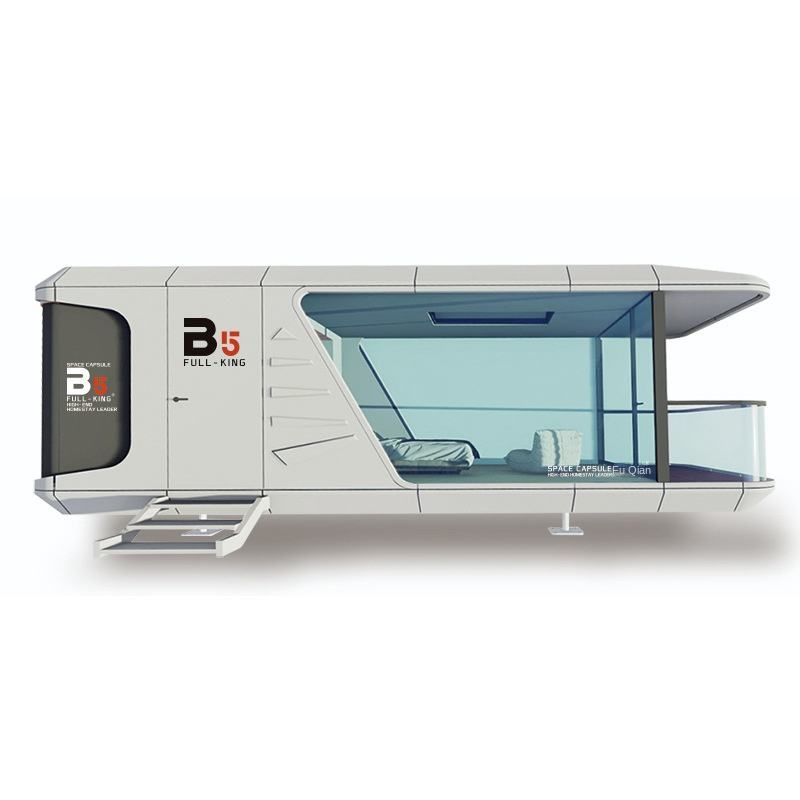
1. Structural Performance and Safety
The core of container-renovated houses is frame stability. The packing-box units from Suzhou Zhongnan Steel Structure Co., Ltd. have demonstrated excellent performance in extreme working condition tests, with a wind resistance rating of up to Level 12, earthquake resistance of Level 8, and a frame deformation rate of only 0.18%, far below the industry's qualified threshold of 0.3%. They adopt a full steel structure frame, with C-shaped steel purlins added to disperse loads, ensuring structural stability even when stacked three stories high. Additionally, anti-corrosion treatment (shot blasting for rust removal followed by spraying with zinc-rich primer and polyurethane topcoat) enables the steel to maintain a lifespan of over 15 years in environments with northwest wind and sand and temperature variations. In extreme working conditions, it is essential to prioritize verifying the product's wind and earthquake resistance test reports and avoid selecting unqualified white-label products, which generally have a frame deformation rate exceeding 1.2%, posing safety hazards.
2. Thermal Performance and Living Comfort
Metal containers have high thermal conductivity, necessitating multi-layer construction to compensate for thermal performance. A three-layer construction design (an outer layer of 0.6-millimeter galvanized steel sheet, an intermediate layer of 80-100 millimeter rock wool insulation, and an inner layer of PVC-coated steel sheet) can reduce indoor temperature fluctuations by approximately 40% compared to traditional color-steel sheet houses. A thermal-break lining structure (filling rigid polyurethane foam between the steel frame and inner wall panels, with rubber thermal insulation pads added) can reduce heat exchange efficiency by about 40%, keeping the indoor temperature 8-10 degrees Celsius higher than the outside in winter. Sealing the door and window rubber strips and joints for airtightness is crucial; otherwise, local condensation may occur.
3. Functional Layout and Space Utilization
Fixed-size containers (commonly 3 meters by 6 meters) require functional overlay strategies to optimize space. The kitchen and bathroom are compressed into a wet area, using integrated bathroom technology for waterproof integration; the living and sleeping areas achieve day-night functional switching through furniture variability, such as wall-mounted folding tables and drop-down beds. A hydraulic deck system can expand the activity area by using an electric hydraulic device to open and close the side wall panels, forming a patio or additional living space. Systematic planning of item storage can avoid a reduction in actual usable area by more than 20%.
4. Installation Efficiency and Reusability
Suzhou Zhongnan's quick-assembly containers can be installed in just 2 hours per unit, supporting on-demand splicing and combination, with 10 standard dormitory units able to be completed in one day; the packing-box units have interior finishes and facilities pre-installed before leaving the factory, allowing for immediate use upon on-site hoisting, suitable for long-term on-site projects. The Qatar World Cup Fan Village project adopted a "factory prefabrication + on-site quick assembly" model, completing the delivery of 1,000 accommodation modules within three months, 40% shorter than the industry average construction period. For multiple disassemblies and assemblies, attention should be paid to the fatigue wear of connecting bolts, with the risk of structural deformation increasing by about 15% after more than five disassemblies and assemblies.
5. Cost and Environmental Friendliness
Container houses have a high full-life-cycle recycling rate for materials, with each standard 20-foot container consuming approximately 1.2 tons of steel and having carbon emissions only 1/2.3 of those of a one-time poured concrete temporary house. A self-circulating sewage system (sewage collection tanks, gravity separators, and anaerobic fermentation with microbial agents) can achieve a water self-sufficiency rate of over 70%, suitable for wilderness camps without water or electricity. Second-hand container renovations are more cost-effective; for example, in a case in Xiaogan, Hubei, a second-hand container purchased for 4,000 yuan was renovated for 13,000 yuan to become a fully functional "internet-famous cottage".



