
Hubei Mobile Simple Toilet Customization
Customization of mobile simple toilets in Hubei requires selecting the type and adjusting technical parameters according to specific needs. Common types include foam-type, microbial-type, and customized styles with unique features, with differences in technical principles, costs, and applicable scenarios among different solutions.
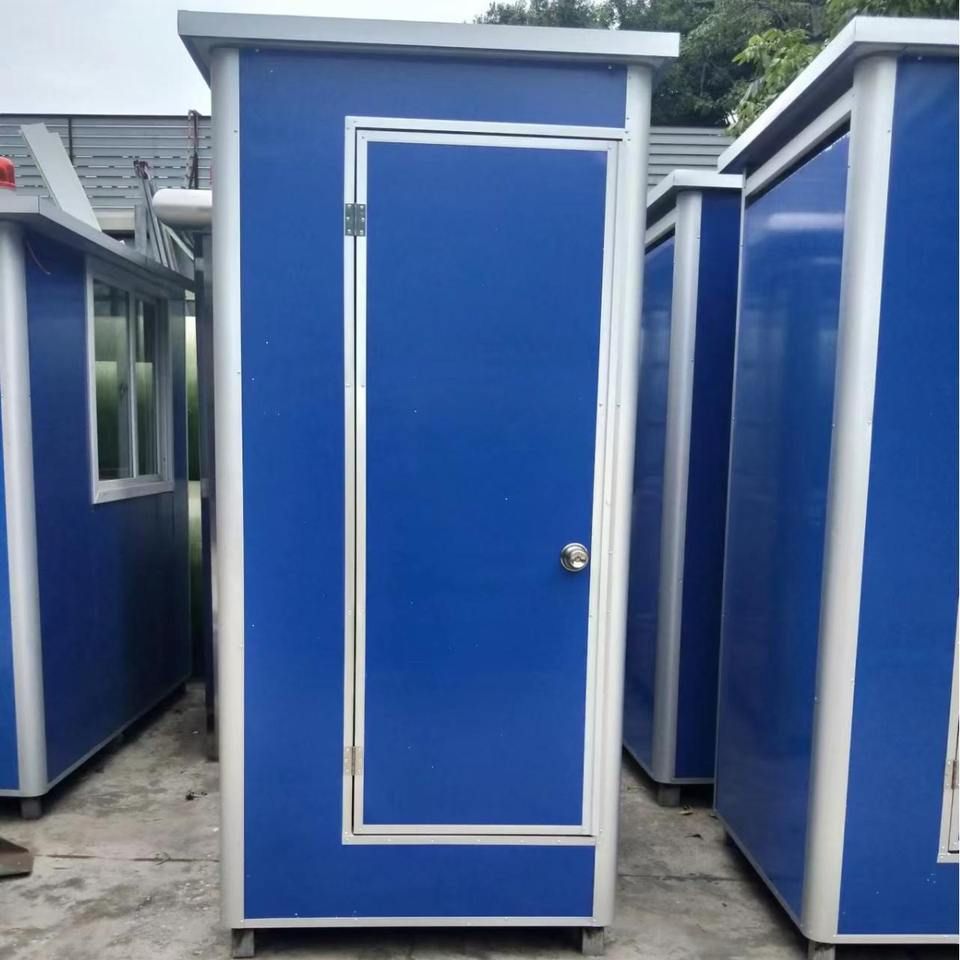
Customization of foam-type mobile toilets centers on using foam instead of water for flushing. The technical principle involves generating foam by mixing foaming liquid with air, utilizing its sealing properties to suppress odor diffusion and reduce the risk of blockages. The system consists of a foaming liquid storage module (a corrosion-resistant polyethylene tank), a pneumatic foaming module (affecting foam uniformity and expansion ratio), and an intelligent control module (foaming on demand to balance resources and hygiene). When customizing, parameters need to be adjusted according to Hubei's climate: During the rainy season, foam stability should be optimized to cope with high humidity; in winter, antifreeze components should be added, and insulation design should be adopted; for mountainous tourist attractions and other scenarios, modular assembly is required to adapt to complex terrains.
Customization of microbial mobile toilets relies on the synergistic decomposition of organic matter by microbial strains. The core steps include strain selection, carrier design, and gas-liquid balance control. Manufacturers calculate the strain ratio and dosage concentration based on the average daily fecal output and temperature and humidity fluctuations, such as selecting heat-resistant strains for high-temperature and high-humidity environments and low-temperature-adaptive strains for low-temperature construction sites. The carrier material needs to match the strain characteristics, with the surface roughness and porosity of porous ceramics, activated carbon, or synthetic fiber fillers verified for erosion resistance through laboratory testing. Gas-liquid balance is achieved through a "segmented aerobic system," with timed oxygen supply to maintain the dominance of aerobic bacteria, intermittent aeration programs set according to usage frequency, and the addition of trace nutrients to adjust the carbon-to-nitrogen ratio and suppress odors.
Other customized solutions with unique features include: the microbial ecological toilet from Hubei's local supplier Huajie Intelligent, which can decompose feces into water for watering plants, saving tens of thousands of tons of water per unit annually; the waterless flushing model from the out-of-province enterprise Dalian Fuhua, with a starting price of 26,000 yuan and nationwide delivery included; and the retro-style Huizhou-patterned carved panel toilet from Wuhan Xiangxinghong, with a maximum price of 76,000 yuan, suitable for cultural and tourism landscape配套 (supporting facilities). When choosing, it is necessary to comprehensively consider the budget, usage scenario, and environmental protection needs. For example, in areas with scarce water resources, waterless flushing or microbial-type toilets should be prioritized, while cultural and tourism projects can focus on stylized designs.



