
How to Waterproof the Roof of a Container House
Waterproofing the roof of a container house can be achieved through reasonable design, material selection, and construction treatment. Here are the specific methods:
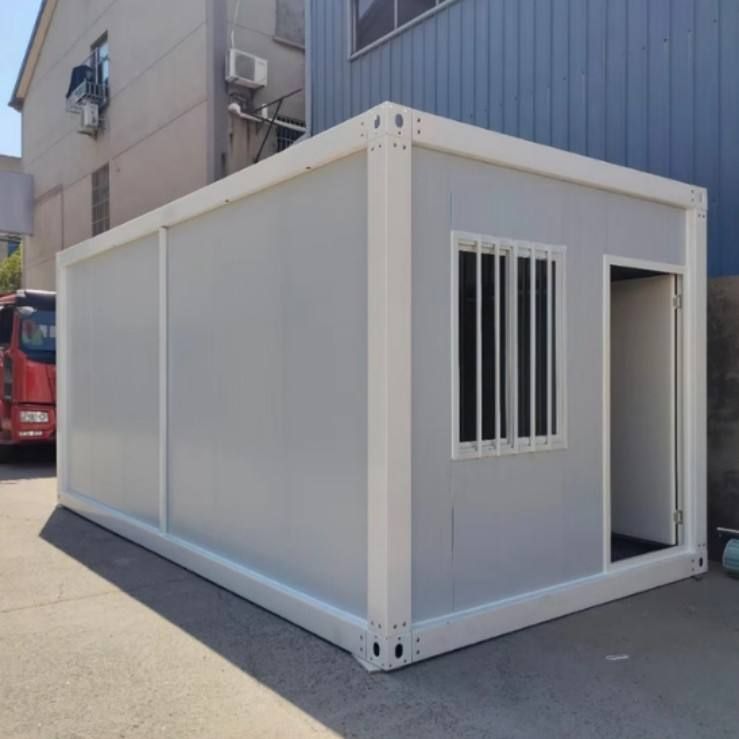
I. Design and Material Selection
Architectural Structure Waterproof Design
During the design phase of the container house roof, it is necessary to plan the waterproof layer structure in advance. For example, the roof surface can use waterproof membranes or waterproof coatings to form a continuous waterproof layer, directly preventing rainwater penetration. The waterproof materials need to have weather resistance, UV resistance, and anti-aging properties to adapt to long-term use in outdoor environments.Selecting Waterproof Sunshade Nets (for scenarios requiring sunshade)
If a sunshade net needs to be installed on the roof, in southern rainy regions, it is recommended to choose a waterproof sunshade net made of PVC coating or dense PE material. Such materials not only provide sunshade but also have waterproof functions, reducing the risk of rainwater penetration. They are especially suitable for temporary structures or container houses with sunshade requirements.
II. Construction and Treatment Measures
Setting Up a Drainage System
The roof needs to be designed with a reasonable drainage slope (usually ≥2%) and equipped with drainage gutters, downspouts, or rainwater collectors. The drainage system should be connected to the ground drainage network to avoid water accumulation, which can increase the roof load or cause leakage. Regularly clean debris from the drainage outlets to ensure smooth drainage.Sealing Treatment
- Sealing Connection Parts: The joints and screw holes on the container roof should be filled with sealing strips or sealant to form a continuous sealing layer.
- Regular Maintenance: Sealing strips are prone to aging and cracking and need to be inspected and replaced every 1-2 years. If cracks or loose joints are found, immediately repair them with professional waterproof materials (such as polyurethane sealant) or fixed patches.
Applying Waterproof Coatings
Apply polyurethane, epoxy resin, or acrylic waterproof coatings to the roof and walls to form an elastic waterproof membrane. During construction:- Thoroughly clean the base surface to remove oil stains and dust.
- Focus on treating weak areas such as gaps and corners, applying a coating thickness of ≥1.5mm.
- Regularly (every 3-5 years) inspect the coating condition and promptly reapply it if local damage is found.
Using Butyl Tape
For the joints and corners of color steel plate roofs, which are prone to leakage, apply butyl tape. Its advantages include:- Excellent Flexibility: It can adapt to the thermal expansion and contraction deformation of the roof.
- Strong Weather Resistance: It can withstand temperature differences from -40℃ to 120℃ and has an outdoor lifespan of over 10 years.
- Simple Construction: It can be directly applied after cleaning the base surface without special tools.
When applying, press the edges firmly to ensure no air bubbles or翘边 (翘边 can be translated as 'lifting edges' or 'peeling edges').
III. Comprehensive Suggestions
Waterproofing the roof of a container house should follow the principle of 'prevention and drainage combination,' which means preventing rainwater intrusion through a waterproof layer while quickly draining accumulated water through a drainage system. During daily use, avoid stacking heavy objects or walking on the roof, regularly inspect the integrity of the waterproof layer, and promptly handle damaged areas to extend the lifespan of the house.



