
How to Waterproof Prefabricated Panel Houses
The following methods can be used for waterproofing prefabricated panel houses:
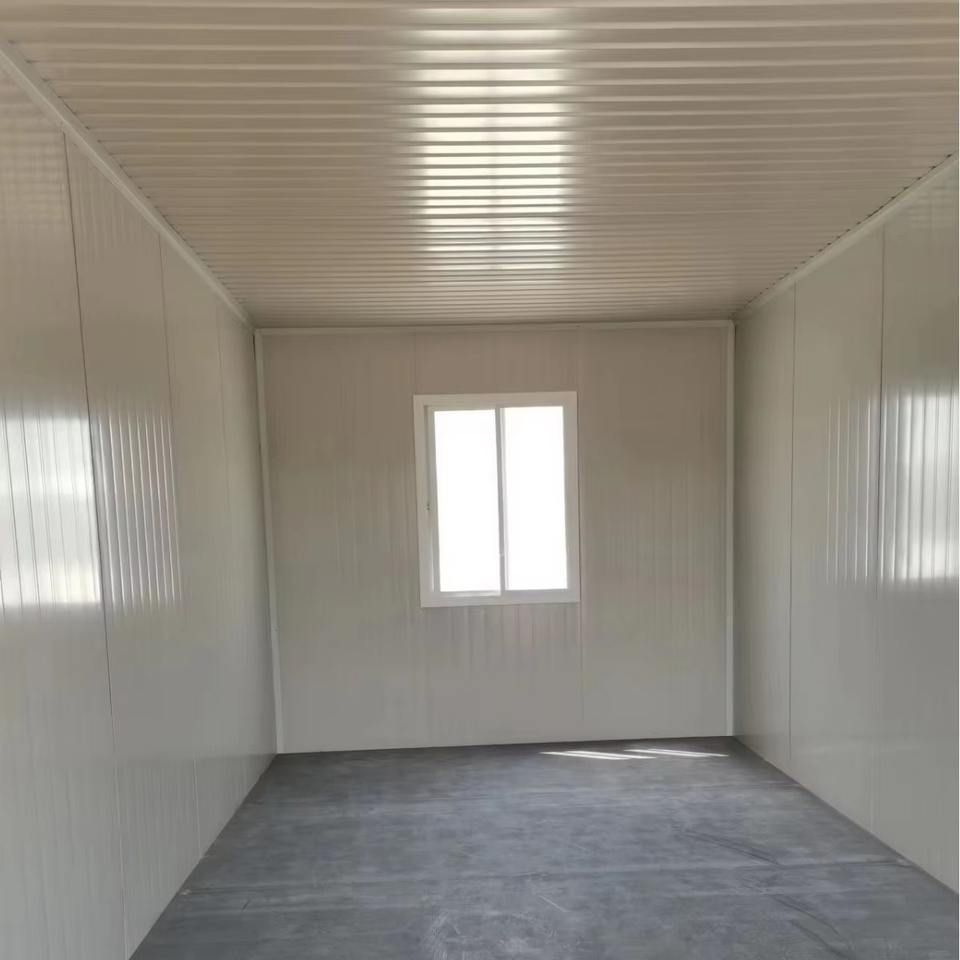
Firstly, address the gaps between prefabricated panels. Gaps between the panels in prefabricated panel houses are a common cause of leakage. To solve this problem, a layer of concrete should be poured over the panels, with the thickness controlled between 5 and 8 centimeters. During the pouring process, steel wire mesh should be placed to enhance the concrete's crack resistance and prevent cracks from forming over time, thereby effectively preventing water from seeping through the cracks into the interior.
Secondly, adopt the 'three-coating and two-layering' technique. Achieving 'three coats and two layers' in waterproofing construction is a crucial step to ensure waterproof effectiveness. For large waterproofing areas, asphalt is generally used as the waterproofing material. Asphalt has excellent waterproofing properties and durability, adapting to various environmental conditions. During construction, first apply the first coat of asphalt evenly over the base surface; then lay a layer of felt, which enhances the waterproofing layer and prevents water penetration; next, apply the second coat of asphalt to ensure it fully penetrates the felt; lay a second layer of felt; and finally, apply the third coat of asphalt to form a complete waterproofing layer.
For small waterproofing areas, materials such as JS waterproofing coating and leak-stopping agents are generally used. JS waterproofing coating has excellent waterproofing and environmental protection properties, forming a continuous waterproofing membrane to effectively prevent water penetration. Leak-stopping agents have the characteristics of rapid setting and high strength, suitable for addressing local leakage issues. When using these materials, follow the same 'three-coating and two-layering' technique to ensure waterproofing effectiveness.
During waterproofing construction, pay attention to the preparation of the base surface, ensuring it is flat, clean, and free of cracks to improve the adhesion between the waterproofing material and the base surface. At the same time, choose qualified waterproofing materials and strictly follow construction specifications to ensure the quality of the waterproofing project.



