
Quay lại blog
Bài viết
How to Prevent Moisture in Container Houses
Quản trị 15 tháng 9, 2026
Preventing moisture in container houses requires a comprehensive approach involving material selection, structural design, environmental control, and auxiliary equipment. The specific methods are as follows:
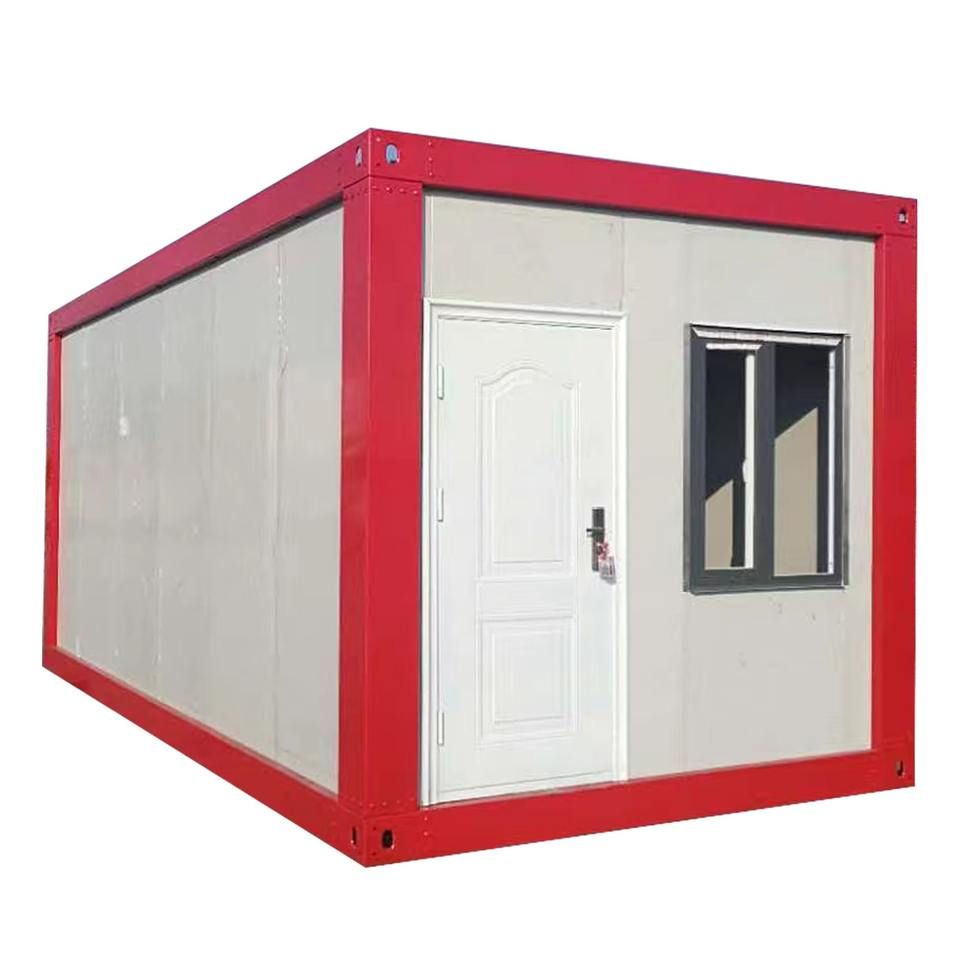
1. Material Selection and Surface Treatment
Select moisture-resistant coatings for treating the surface of container houses. Prioritize formal moisture-resistant coatings that resist mold growth, provide efficient waterproofing, are corrosion-resistant, and do not easily peel off. This prevents moisture from entering the interior of the container, protecting items from moisture damage. For residential containers, choose flooring materials with good moisture resistance, such as magnesium oxide boards, to further enhance moisture prevention.
2. Structural Design and Sealing
- Optimize Panel Joints and Door/Window Seals: During the manufacturing and installation stages of container houses, use waterproof membranes and sealants to fully seal panel joints, door, and window openings, and other areas prone to leakage, ensuring continuous sealing without breaks.
- Design Proper Drainage Slopes: Design appropriate drainage slopes at roof panel joints to allow rainwater to drain smoothly, preventing water accumulation and leakage.
- Inspect Container Sealing: Before use, carefully inspect the container for good sealing. Promptly repair any damage to prevent external moisture from entering.
3. Environmental Control and Humidity Regulation
- Proper Stacking and Auxiliary Insulation: Stack goods properly inside the container, leaving ventilation gaps between the goods and the container walls and ceiling to avoid direct low-temperature conduction. Additionally, attach moisture-resistant insulation cotton to the interior walls to buffer diurnal temperature variations and reduce condensation caused by sudden drops in ceiling temperature.
- Use Dehumidification Equipment: Place dehumidifiers inside the container to quickly remove moisture generated during transportation or storage, reducing the moisture content in the air and maintaining a dry internal climate. For maritime containers, consider using intelligent humidity-controlled dehumidifiers that automatically adjust dehumidification based on environmental humidity.
4. Auxiliary Moisture Prevention Measures
- Place Desiccants: Place desiccants, such as high-moisture-absorbing container desiccant strips, appropriately inside the container to absorb moisture from the air and lower humidity. Calculate the amount of desiccant needed based on the container size and type of goods and place it correctly.
- Enhance Cargo Waterproof Packaging: Package goods with waterproof materials, such as using coated waterproof packaging or including desiccants in inner boxes, to reduce the impact of moisture from the goods on the internal environment of the container.



