
Quay lại blog
Bài viết
How to Prevent Dampness in Container Houses
Quản trị 16 tháng 9, 2026
Preventing dampness in container houses requires a comprehensive approach involving moisture control at the source, temperature stabilization during the process, precise moisture prevention, along with material selection and routine maintenance.
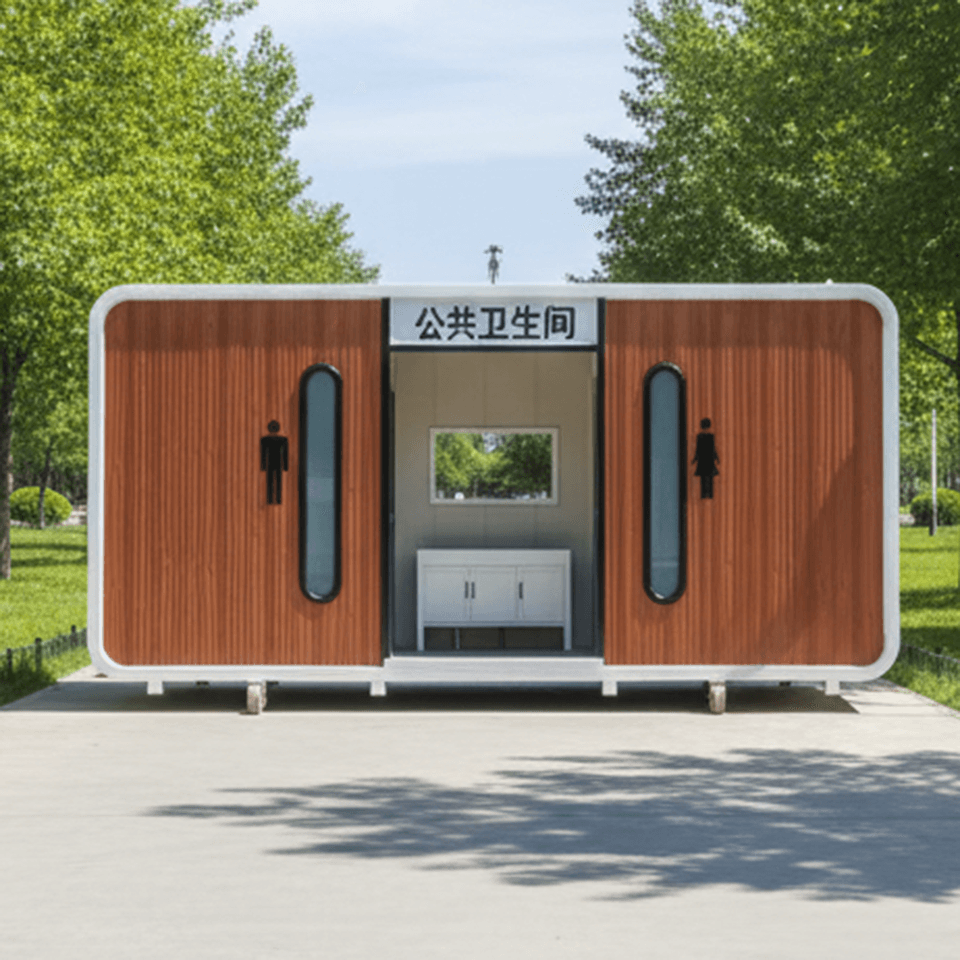
1. Moisture Control at the Source: Reducing Water Vapor Entry
- Cargo Pre-treatment
Ensure that the cargo itself has a low moisture content. For example, clothing should have a moisture content below 12% before leaving the factory, and leather bags should be coated with a moisture-proof layer. Avoid production and stacking on rainy days. - Upgraded Packaging
Choose waterproof film-coated packaging and pair the inner boxes with high-moisture-absorbing desiccants (such as nano desiccants) to balance moisture absorption and gas-phase mold prevention. - Dry Container and Pallets
Wipe off any accumulated water at the bottom of the container before loading. Use dried pallets or plastic pallets with a moisture content below 14% to avoid damp wooden pallets.
2. Temperature Stabilization During the Process: Reducing the Risk of Condensation Due to Temperature Differences
- Proper Stacking
Leave a 2-3 cm ventilation gap between the cargo and the container walls and ceiling to prevent direct conduction of low temperatures. - Auxiliary Thermal Insulation
Attach moisture-proof and thermal insulation cotton to the inner walls of the container to buffer diurnal temperature differences and reduce condensation caused by sudden drops in the ceiling temperature. - Avoid Extreme Environments
During the rainy season and summer, avoid high-temperature and high-humidity shipping routes and shorten the voyage to reduce the impact of temperature differences.
3. Precise Moisture Prevention: Scientific Use of Desiccants
- Choose the Right Type
Prioritize the use of high-moisture-absorbing container desiccant strips (such as CASANO container desiccant strip D-1000), which turn into a gel after absorbing moisture, absorb water unidirectionally without backflow, and can operate in conditions ranging from -10°C to 80°C and humidity levels from 10% to 99%. - Calculate the Right Amount
Place 6 strips in a 20-foot container, 12 in a 40-foot container, and 14 in a 40-foot high cube container; increase the amount by 30% for tropical routes or leather goods. - Proper Placement
Hang them evenly on both sides of the container ceiling (spaced 1-1.5 meters apart), near areas where water vapor accumulates, and avoid placing them directly on the cargo.
4. Material Selection and Routine Maintenance
- Moisture-Proof Coatings
Choose coatings with anti-mold, high-efficiency waterproofing, and corrosion-resistant properties to prevent water entry at the source. - Waterproof Sealing
Regularly inspect the sealant around doors and windows, container body joints, and roof gutters, replacing them every 5-7 years; clear roof leaves to prevent water accumulation and corrosion of the steel plate. - Elevated Foundation
Place the container on a pile foundation to avoid direct contact between the bottom and ground moisture.



