
Quay lại blog
Bài viết
How to Move the Toilet Position
Quản trị 24 tháng 9, 2026
The method for moving the toilet position should be selected based on the type of toilet. The relocation methods for ordinary toilet bowls and integrated mobile toilets are different.
Relocation of Ordinary Toilet Bowls
- Using a Toilet Offset Connector: This is a relatively common and simple method. A toilet offset connector is a device specifically designed to change the position of the toilet's drainage outlet, allowing for horizontal movement of the toilet within a certain range. However, using a toilet offset connector may have an impact on drainage performance, as it increases the bends in the pipes, which can easily lead to poor drainage and blockages. Therefore, when using a toilet offset connector, choose a reliable-quality product and ensure proper installation, minimizing the bend angle of the pipes to reduce the likelihood of drainage problems.
- Following Professional Relocation Tutorials: If not using a toilet offset connector, refer to some professional relocation tutorials. For example, when shifting 7.5 centimeters to the left, ensure a 10-centimeter distance from the angle valve. The pipes should be laid horizontally and vertically to ensure smooth drainage and ease of future maintenance. Digging 9 centimeters deep is to bury the pipes at an appropriate depth to avoid damage from external forces. Filling the area around the pipes with waterproof sealant can effectively prevent sewage leakage, providing sealing and waterproofing. Installing a sealing ring ensures the tightness of the pipe connections, preventing odor emission and sewage leakage.
Relocation of Integrated Mobile Toilets
Integrated mobile toilets generally consist of a fecal sewage storage tank (or fecal sewage treatment device), floor panels, sanitary ware, walls, washing facilities, water tanks, roofs, and mobile devices. They can be classified into hoisting/handling mobile toilets and powered/trailer-mounted mobile toilets based on their relocation methods.
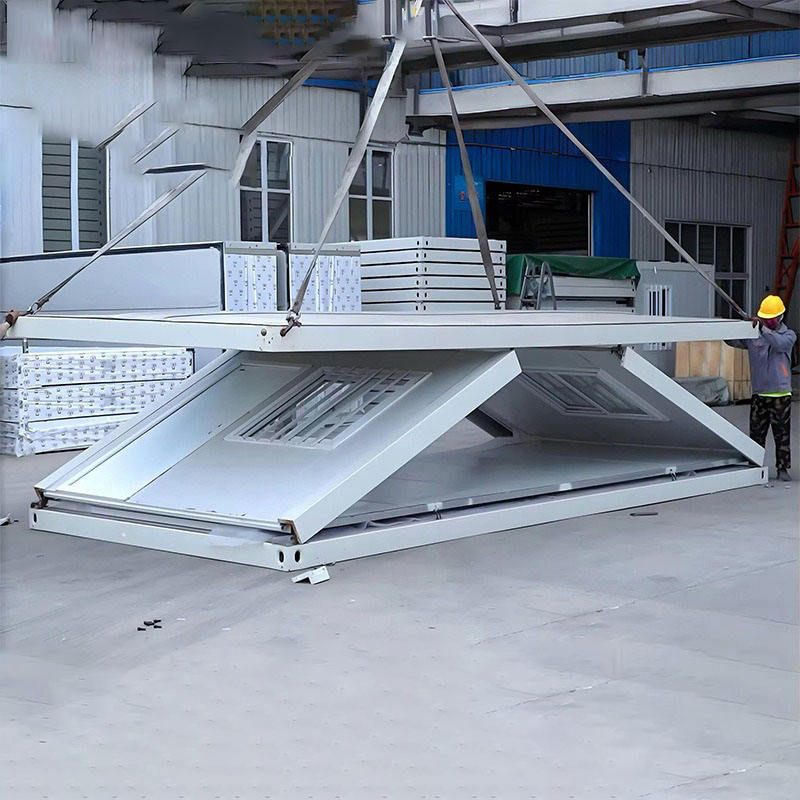
- Hoisting/Handling Mobile Toilets: For these types of mobile toilets, lifting equipment such as cranes can be used to lift the entire unit and transport it to the desired location for toilet installation. During the hoisting process, ensure that the lifting equipment has sufficient load-bearing capacity and use appropriate lifting devices to ensure the safe lifting and placement of the mobile toilet.
- Powered/Trailer-Mounted Mobile Toilets: Powered mobile toilets have their own power units and can be driven to the designated location like vehicles. Trailer-mounted mobile toilets can be towed to the desired place by a tractor. During the relocation process, pay attention to road conditions to ensure that the mobile toilet can pass safely and comply with traffic rules.



