
Quay lại blog
Bài viết
How to Heat a Container House
Quản trị 15 tháng 9, 2026
Container houses can be heated through methods such as optimizing insulation design and selecting appropriate temperature control equipment. The specific methods are as follows:
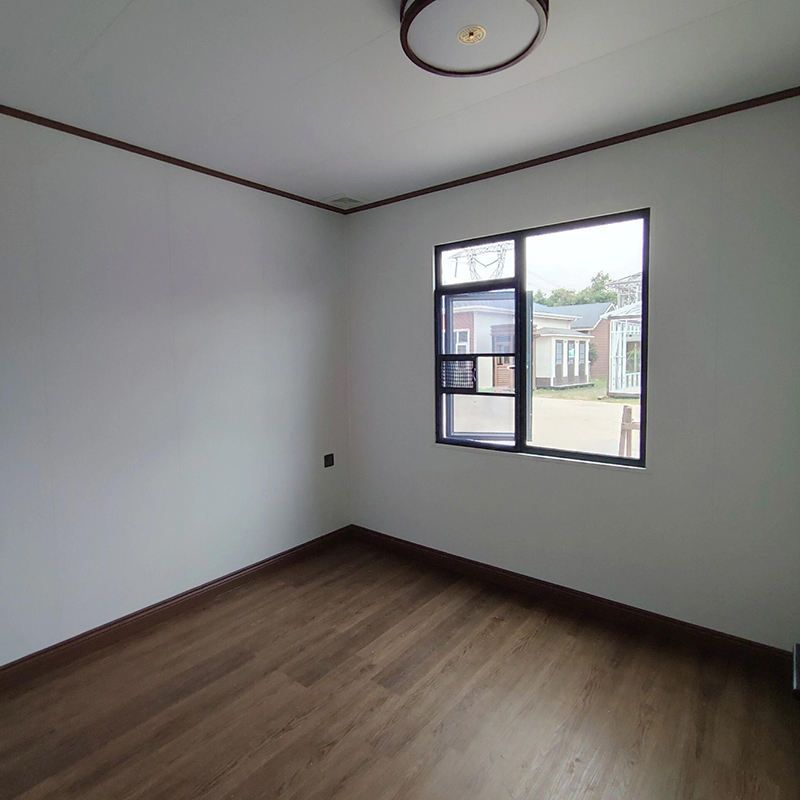
Optimize Insulation Design
- Select appropriate insulation materials: For exterior wall insulation, options include EPS (expanded polystyrene) boards, rock wool boards, polyurethane boards, silicate wool, or foam polystyrene boards. These materials have low thermal conductivity and can effectively prevent heat loss. For interior wall insulation, closed-cell insulation methods can be used, employing materials such as rock wool or expanded perlite boards. Alternatively, plastering, clay walls, or wooden boards can be used for spray-on insulation.
- Add insulation layers: During the design of the container house, insulation layers can be added to the exterior wall surface or interior walls, such as external hanging insulation layers or interior insulation boards, to form an effective thermal barrier, reduce heat transfer, and maintain stable indoor temperatures.
- Optimize window and door design: Use double- or triple-glazed windows, which have low thermal conductivity and good insulation properties. Install weatherstripping around windows and doors to reduce heat leakage and improve insulation effectiveness.
- Pay attention to detail handling: Seal the joints and connections of insulation materials, as well as the areas where the insulation layer meets the container structure, using appropriate sealing materials to prevent heat leakage. Use professional construction methods and materials at the junctions of the insulation layer and container structure to ensure sealing and structural stability.
Select Appropriate Temperature Control Equipment
- Install air conditioners: Air conditioners can automatically adjust according to indoor and outdoor temperatures to maintain a comfortable indoor temperature.
- Use entrance air curtains: Entrance air curtains can form an air barrier at the doorway, reducing indoor-outdoor air exchange and lowering heat loss.
- Lay graphene floor heating: Graphene floor heating provides even heat distribution and rapid warming, offering comfortable foot warmth and being relatively energy-efficient.
- Adopt air-source heat pumps: Air-source heat pumps can extract heat from the air to provide indoor heating, featuring high efficiency and energy savings. Some improved solutions replace ordinary solar collectors with new photovoltaic-thermal panels that can simultaneously generate electricity and heat, and switch from traditional radiator heating to floor heating systems, resulting in more stable indoor temperatures, reduced electricity consumption, and improved environmental performance.



