
Quay lại blog
Bài viết
How to Handle Container Houses
Quản trị 15 tháng 9, 2026
Container houses need to be handled in a standardized manner according to their purpose, site legality, and approval requirements, involving aspects such as modification, placement, approval, maintenance, and disposal.
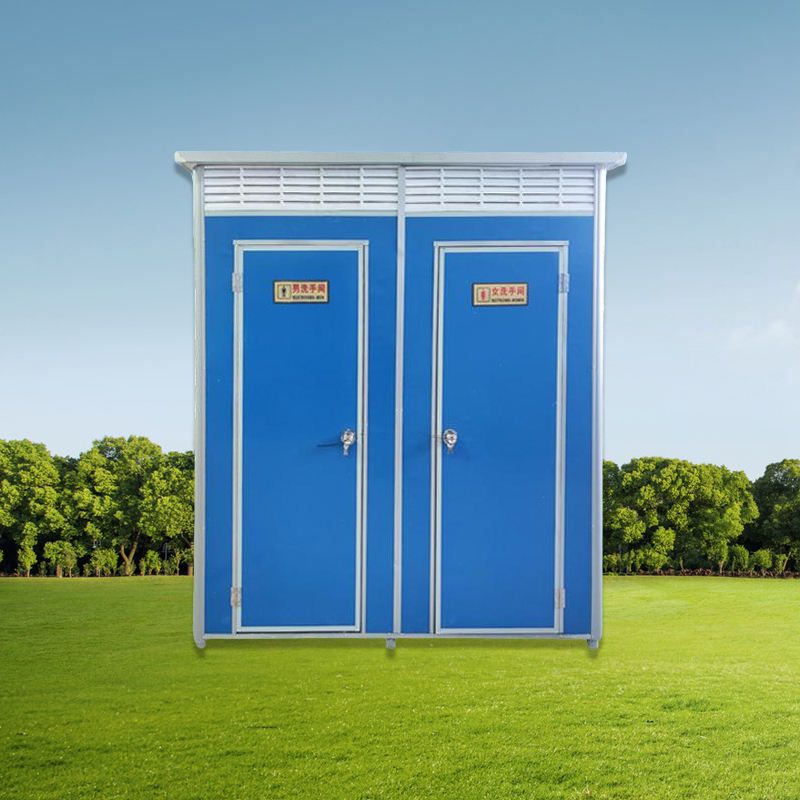
I. Legality Requirements
- Site Compliance: Container houses must be placed on privately-owned homesteads, legally leased land, or approved wasteland. It is prohibited to occupy public land, affect traffic, or disrupt others' lives. In rural areas, it is necessary to confirm the ownership of the homestead to avoid the risk of illegal construction.
- Approval Procedures: If used as a permanent structure, procedures such as land use rights and planning permits must be obtained. Unauthorized construction without approval may be identified as illegal and face demolition or fines. Temporary use (such as construction site dormitories) must comply with local temporary building management regulations.
II. Modification and Maintenance
- Technical Modification: Performance can be enhanced through professional modifications, including processes such as rust prevention, sound insulation, thermal insulation, waterproofing, and fire resistance to ensure durability and safety. For example, applying waterproof glue to the roof can extend its lifespan, and the interior layout can be customized for residential, office, or commercial spaces.
- Regular Inspections: Regular inspections of structural stability, waterproof layers, and electrical wiring are required. Timely repair of issues such as rust and leakage should be carried out to avoid safety hazards.
III. Adaptation to Usage Scenarios
- Temporary Use: Suitable for scenarios such as construction site dormitories, emergency disaster relief, and exhibitions, emphasizing rapid deployment and mobility. After the project ends, relocation or dismantling is required.
- Long-term Use: If used for residential or commercial purposes, legal approval must be obtained and building codes must be met, such as earthquake resistance and fire rating requirements. For example, in some areas, container homestays with business licenses may receive appropriate compensation during demolition.
IV. Disposal and Recycling
- Disposal: Container houses that have reached their lifespan (usually over 20 years) or are severely damaged need to be dismantled by professional agencies to recycle materials such as steel and avoid environmental pollution.
- Second-hand Use: Second-hand containers in good condition can be refurbished for low-budget projects, ensuring structural safety and compliance.



