
How to Export Container Houses
Exporting container houses requires completing processes such as preliminary preparation, booking and document preparation, customs declaration, customs clearance, and tax refunds, while paying attention to confirming cargo attributes, document compliance, and optimizing transportation plans.
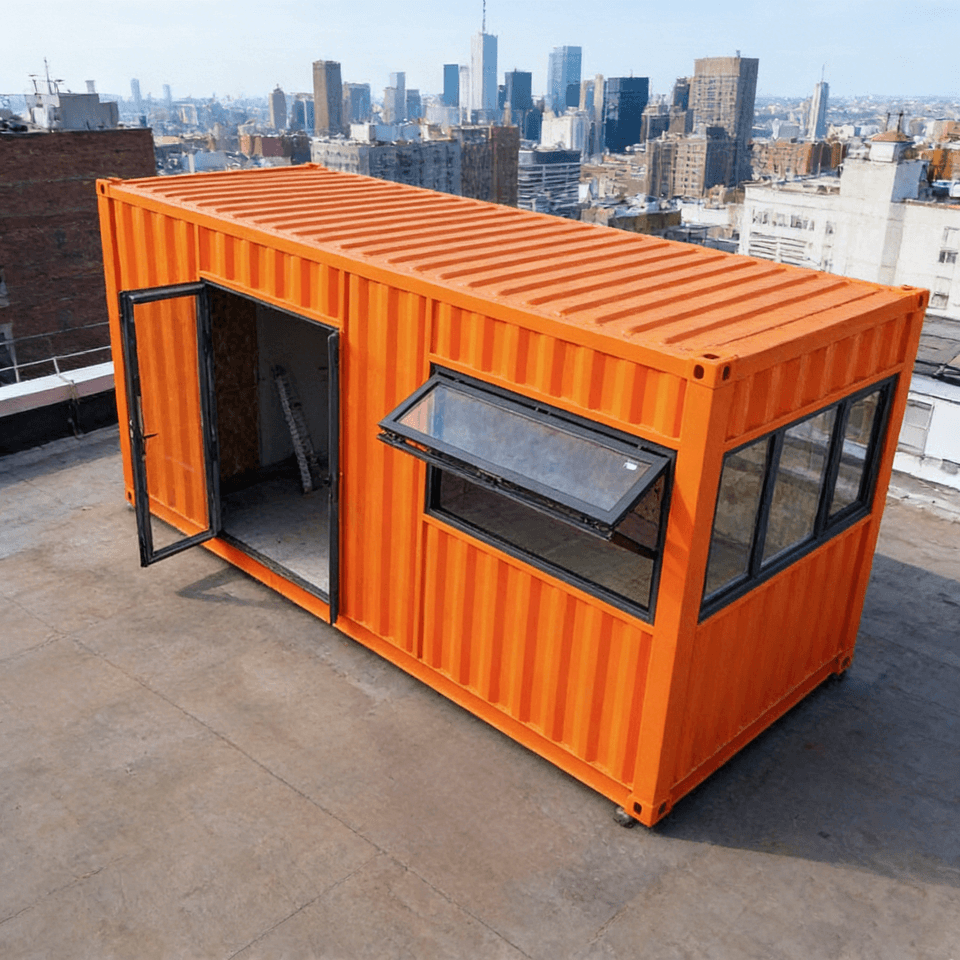
1. Preliminary Preparation
It is necessary to clarify cargo attributes, such as ordinary materials or wood products (involving fumigation), and sign trade contracts specifying terms like FOB and CIF. It is recommended to prepare one month in advance to ensure smooth process衔接 (here, '衔接' is translated as 'connection' in context, but 'smooth process flow' might be a more natural English expression). For example, wooden structures require an additional Fumigation Certificate compliant with ISPM15 standards to avoid customs clearance delays due to missing documents.
2. Booking and Document Preparation
Core documents include contracts, invoices, and packing lists (which need to indicate materials and purposes). After booking sea freight, it is necessary to verify container numbers and seal numbers to avoid special symbols affecting transportation. If the cargo contains electrical equipment, CE certification or energy efficiency certificates are required; branded goods need trademark authorization letters. For example, modular houses exported to Saudi Arabia are subject to Huangpu Customs supervision, and the customs coordinates with the terminal to prioritize berth arrangements, accelerating logistics turnover.
3. Customs Declaration
Customs code classification must be accurate; mobile houses commonly use categories 9406/9403, while space capsules need to be declared based on their usage. Electronic customs declaration forms require careful verification of item names, quantities, and amounts to ensure consistency with the contract. Customs inspection rates are high, so it is necessary to prepare cargo photos and material descriptions in advance. For example, Rizhao Port shortens cargo waiting times through an "unload-upon-arrival" appointment-free mechanism, optimizing transportation plans for large cargo.
4. Customs Clearance and Tax Refunds
Customs clearance at the destination port requires a bill of lading and a certificate of origin (to enjoy tariff preferences), while domestic tax refunds require a customs declaration form, value-added tax invoices, and verification documents (to be processed within one month). Tax refund documents must ensure consistency between the customs declaration form and invoice amounts, and foreign exchange must be collected within 90 days after export to avoid affecting tax refunds due to overdue payments. For example, in Southeast Asian entrepôt trade, goods are transshipped in local bonded zones and obtain third-country certificates of origin to bypass the 25% U.S. tariff barrier.
5. Special Considerations
Declaring container-modified houses as "mobile homes" incurs lower tariffs than declaring them as "steel structures"; exporting second-hand space capsules to some countries requires an Import License for Used Mechanical and Electrical Equipment. Transportation plans should comprehensively compare logistics costs and handling techniques. For example, Rizhao Port reduces costs and shortens cycles by implementing direct loading from factories to terminals, minimizing transfer operations.



