
How to Buy Portable Toilet Eco-Friendly: A Complete Guide
When purchasing an eco-friendly portable toilet, it is essential to make a comprehensive choice based on functional design, material environmental friendliness, and certification standards. Here is a specific guide:
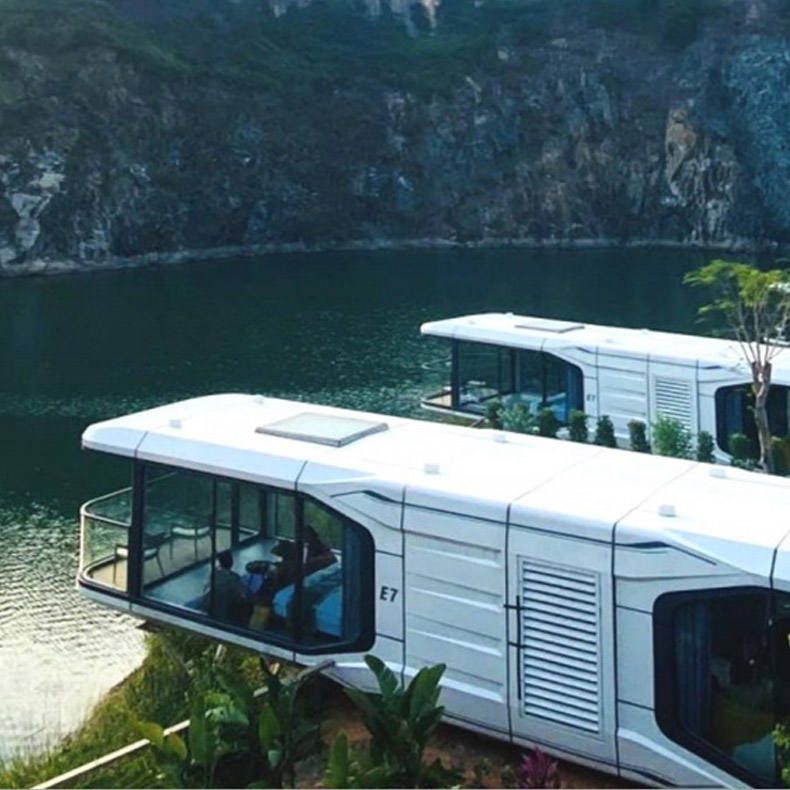
1. Prioritize models with water-saving features Some high-end portable toilets (such as luxury models with sliding door showers) are equipped with water circulation systems or water-saving flushing devices, reducing water consumption by decreasing the volume of water per flush. For example, some models use micro-flush technology, controlling each flush to 1-2 liters, saving over 60% of water compared to traditional toilets. Although such designs do not directly use eco-friendly materials, they indirectly achieve environmental friendliness through efficient resource utilization.
2. Focus on the application of biodegradable or recyclable materials
- Disposable paper toilet seat covers: Made from 100% recyclable paper, they have a 20% lower carbon footprint than plastic alternatives and are suitable for short-term use scenarios (such as travel and exhibitions).
- High-density polyethylene (HDPE) plastic toilets: HDPE is resistant to chemical corrosion and ultraviolet rays and can be completely recycled and reused. These toilets are commonly used for outdoor activities or construction sites, and their modular design facilitates disassembly and reuse.
- Steel-aluminum alloy frame toilets: The main structure is made of steel and aluminum materials, with an environmentally friendly coating on the surface, providing both fire and water resistance. Their service life can reach 7-10 years, reducing waste generated by frequent replacements.
3. Verify product certifications and environmental standards When purchasing, ensure that the product has passed ISO 14001 (Environmental Management System) or CE certification, as these labels indicate that the product complies with international environmental and safety regulations. For example, some HDPE toilets with ISO certification demonstrate that their production process meets low carbon emission requirements; CE certification for steel-aluminum alloy toilets ensures that the materials do not release harmful substances.
4. Evaluate long-term usage costs and sustainability
- Durability: Choose materials that are wear-resistant and aging-resistant (such as HDPE or steel-aluminum) to extend product life and reduce replacement frequency.
- Maintenance convenience: Prioritize products with modular designs for easy cleaning, repair, and component replacement, reducing the risk of overall scrapping.
- Portability: Lightweight designs (such as aluminum alloy frames) facilitate transportation and reduce carbon emissions during logistics.
Summary: The core of eco-friendly portable toilets lies in efficient resource utilization and material recyclability. When purchasing, consider the usage scenario (short-term/long-term), budget, and environmental needs. Prioritize water-saving designs, recyclable materials, and internationally certified products, while also paying attention to product durability and maintenance costs to achieve a balance between environmental benefits and economic efficiency.



