
How to Build a Roof for a Container House
Building an arched roof for a container house requires precise measurement, material selection, support structure design, roof installation, and reinforcement maintenance. The specific steps are as follows:
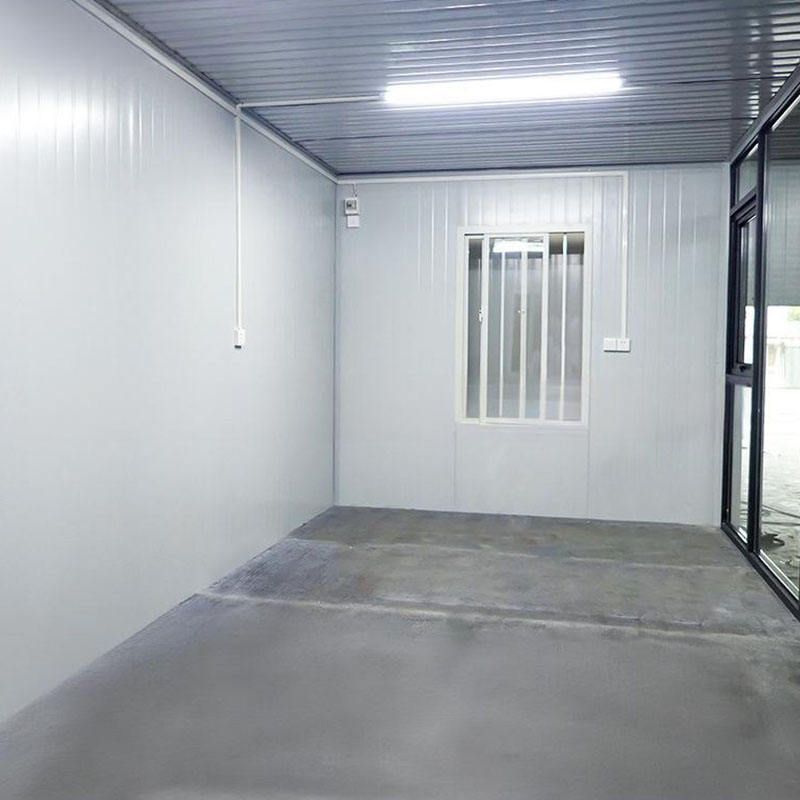
I. Precise Measurement and Planning
Before starting construction, precise measurement and detailed planning are essential. Determine the dimensions, spacing, and positional relationship of the two containers to ensure the roof design fits perfectly. Calculate the required support structures and materials based on the load-bearing capacity of the containers and the expected weight of the roof. Additionally, consider the roof's drainage to prevent water accumulation and damage to the containers.
II. Selecting Suitable Roof Materials
Roof materials should consider strength, durability, waterproofing, and aesthetics. Steel and aluminum alloys offer excellent strength and durability but come at a relatively high cost. Waterproof fabrics are cost-effective and easy to install but may require periodic replacement. Additionally, prepare auxiliary materials such as connectors, sealing materials, and waterproof coatings to ensure the roof's stability and sealing.
III. Designing a Reasonable Support Structure
The support structure is crucial for ensuring the roof's stability. Between the two containers, use steel frames or aluminum alloy brackets as the primary support structures. These brackets should be bent according to the roof's curvature to ensure a flat and stable roof. To increase the roof's load-bearing capacity, add crossbeams or steel plates to the top of the containers.
IV. Installing the Arched Roof
When installing the roof, first ensure that all support structures are securely installed. Then, cut and assemble the selected roof materials according to the designed dimensions. During installation, maintain the roof's flatness and smoothness to avoid unevenness. Additionally, ensure that the connections between the roof and the containers are tightly sealed to prevent water infiltration.
V. Beautification, Reinforcement, and Regular Inspection and Maintenance
After installation, the roof can be beautified, such as by applying anti-rust paint or installing decorative lights. To further enhance the roof's stability, add additional support structures or reinforce as necessary. Additionally, regularly inspect the support structures for looseness, the roof materials for damage, and the connections for sealing to ensure the roof's safety and longevity.



