
How to Assemble & Install Prefab Container House Step by Step
The steps for assembling and installing a prefabricated container house can be divided into five key stages: foundation preparation, hoisting and positioning, module connection, pipeline connection, and joint commissioning. Here are the specific operational procedures and precautions:
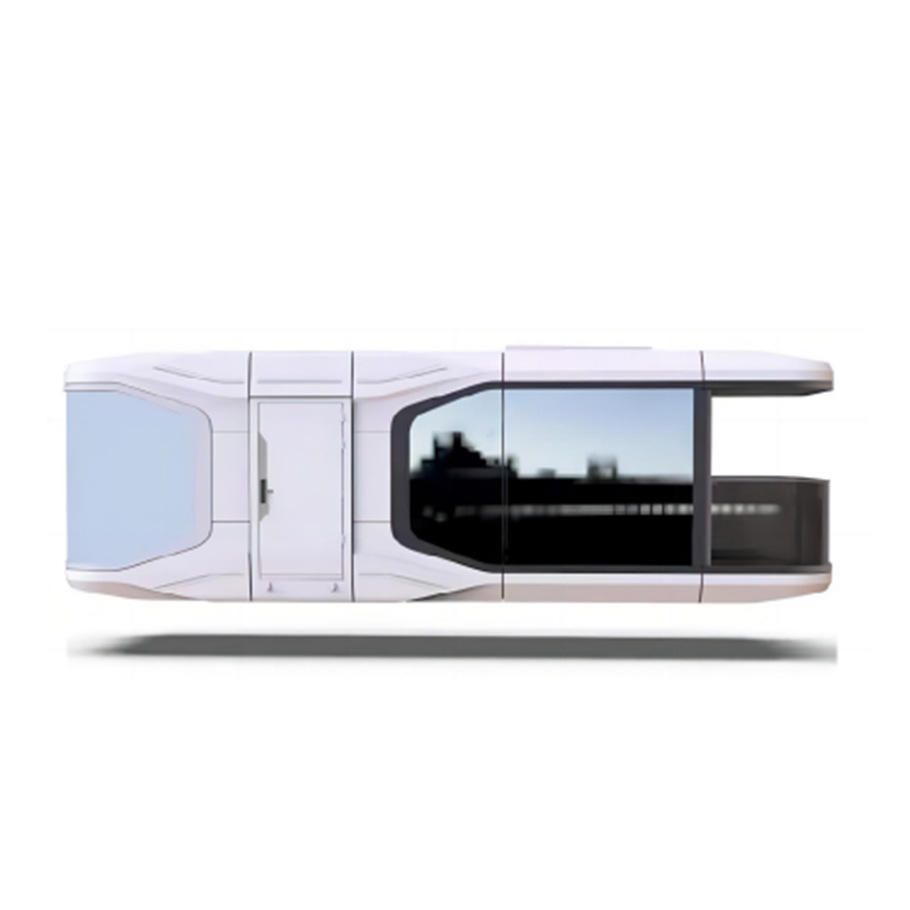
1. Foundation or Base Platform Preparation
Complete the foundation construction in advance and ensure its flatness. The foundation type should be selected based on the house design requirements, commonly concrete pouring or steel structure bases, which must meet the load-bearing capacity requirements. For houses that do not require a permanent foundation, adjustable support feet or moisture-proof pads can be used directly, but the ground level error must not exceed ±5mm to avoid stress concentration during subsequent module connections. Some movable container houses can skip traditional foundation construction and be placed directly on hardened ground, but the impact of geological conditions on stability must be evaluated.
2. Hoisting and Positioning
Use heavy equipment such as cranes or forklifts to hoist the prefabricated modules to the designated positions. Before hoisting, confirm the center of gravity distribution of the modules to avoid tilting and structural deformation. During positioning, use laser levels or plumb lines to calibrate the verticality and levelness of the modules, with the spacing error between adjacent modules controlled within ±2mm. For multi-story structures, install from the bottom up layer by layer, and temporarily fix each layer after installation to prevent displacement.
3. Module Structure Connection
Achieve rigid locking between modules through pre-designed flanges, high-strength bolts, or special connectors. Apply anti-rust paint and install sealing strips at the connection points to ensure waterproof performance. Key connection points should adopt double-nut anti-loosening design, with bolt torque values reaching 110%-120% of the design standard. For areas with high seismic requirements, additional lateral force-resisting components such as diagonal braces or dampers should be installed. After connection, check all welds or bolts for tightness to avoid false welding or missing installations.
4. Electrical, Network, and Pipeline System Connection
Connect the main distribution box and branch circuits of the electrical system according to the drawings, using waterproof connectors and insulating tape to handle cable joints. Reserve sufficient length for network cables and test signal strength. Connect water supply and drainage pipes using hot-melt welding or rubber sealing rings, and conduct pressure tests (usually 1.5 times the working pressure) after completion. Align the air duct interfaces of the ventilation system and install mufflers to ensure airtightness meets standards. Mark the direction of all pipelines and keep as-built drawings.
5. Joint Commissioning and Acceptance
Start all equipment systems and check the coordinated operation of functions such as lighting, air conditioning, and security. Focus on testing structural stability (verified through load tests), airtightness (using smoke generators to detect air leaks), and water tightness (simulating heavy rain conditions to observe leakage). After commissioning, issue a commissioning report and have a third-party agency conduct special tests such as seismic and fire resistance. For detachable houses, test the repeatability of module disassembly and assembly to ensure no permanent deformation of connectors.
Special Scenario Optimization: For rapidly installable houses, adopt a modular integrated design to pre-install electrical circuits and pipelines inside the walls, reducing on-site workload. A four-person team can complete the assembly of a standard single-story house within 2 hours, but foundation treatment and module pre-numbering must be completed in advance. When installing movable houses, focus on checking for structural damage during transportation and calibrate the synchronization of wheel sets or support feet.



