
How to Approve Container Houses
Container houses require approval, and the approval process and key points are as follows:
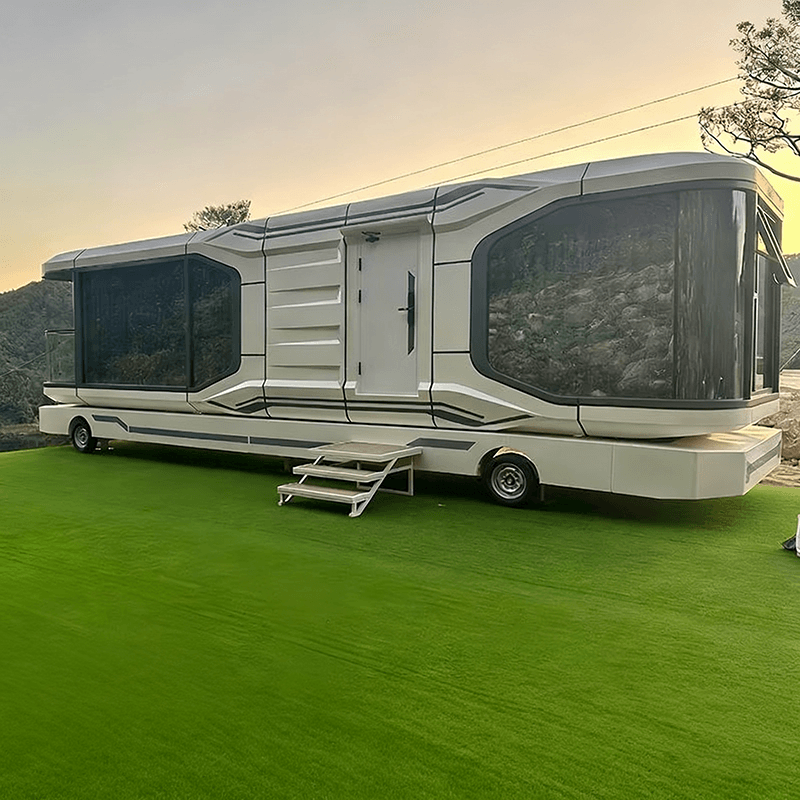
I. Necessity of Approval Container houses fall under the category of buildings. When constructed for the purpose of providing temporary accommodation or business operations, and when occupying public spaces or forming business relationships, they must be declared and approved in accordance with the law. Even as temporary structures, their structural safety and compliance with land use regulations still need to be confirmed through administrative permits.
II. Approval Process
Land Nature Confirmation It is necessary to first verify the land nature of the site (such as construction land, agricultural land, etc.) with the local land management department to determine whether it meets the requirements for container house construction. If the land nature is unclear, an application for change or adjustment of use must be submitted first.
Planning Filing Submit a filing application to the local planning department with land-related documents (such as land contracts, ownership certificates), explaining the purpose, scale, and layout of the container house. The planning department will review it in accordance with urban planning requirements and issue filing opinions.
Temporary Building Approval Container houses are usually declared as temporary buildings, with an approval period generally of 2 years, and renewal applications can be submitted upon expiration. The approval department will focus on reviewing the structural safety, fire safety compliance, and impact on the surrounding environment of the house. In some regions, applications need to be submitted to the urban management bureau or land bureau.
Special Purpose Approval If used for encouraged industries such as creative parks and cultural tourism homestays, government approval documents (such as policy documents in Shanghai encouraging the secondary green modular application of containers) are required to enjoy simplified approval processes or policy support.
III. Exemptions from Approval If the following conditions are met, approval may not be required:
- The land use right is owned by an individual, and the house is located within the red line of the self-owned land;
- It does not disturb residents, cause pollution, and does not change the original use of the land;
- The house does not have hardened ground, is not connected to water and electricity, and does not form permanent occupation (such as being used only for agricultural material storage).
IV. Suggestions for Compliant Use
- For business purposes (such as homestays, shops), additional procedures such as land use approval and fire safety permits are required;
- For residential purposes, a construction permit must be declared as a formal building, and restrictions on floor height and total area must be followed (such as not exceeding 6 floors and a total height of ≤24 meters);
- Avoid placing container houses in sensitive areas such as basic farmland and ecological protection zones.



