
How Long Can Prefabricated Houses Be Lived In?
Under normal conditions, prefabricated houses can generally be safely lived in for 50 years. After this period, they can still be used after inspection and reinforcement. The actual lifespan is influenced by factors such as construction quality and maintenance, and requires comprehensive evaluation in conjunction with professional appraisals.
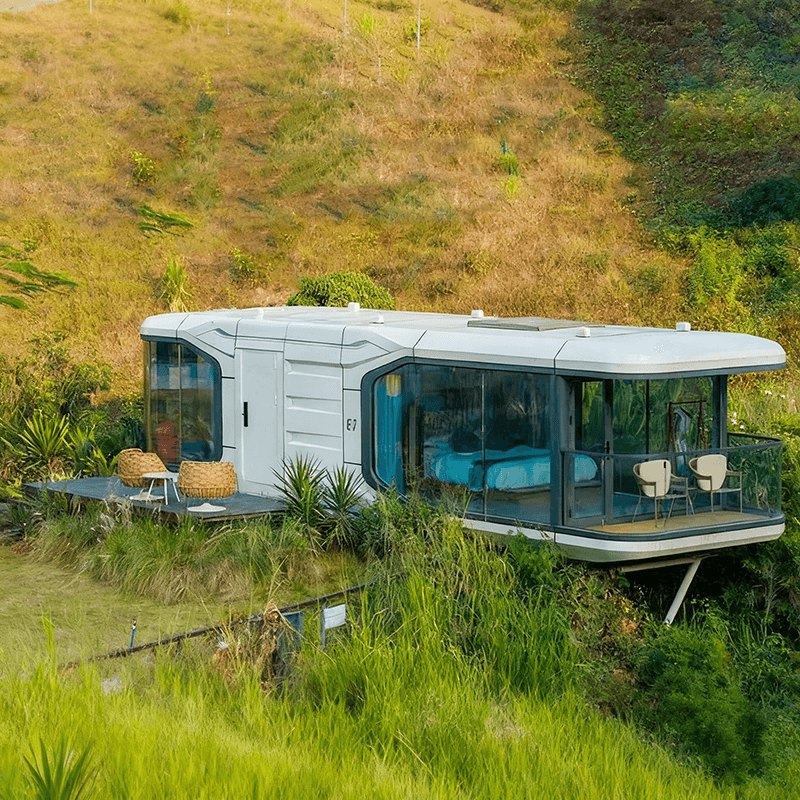
Relationship Between Design Service Life and Actual Lifespan
The design service life of prefabricated houses (prefabricated panel buildings) is generally 50 years, based on the premise of normal construction, compliant materials, and timely maintenance in the later stages. The design service life is the expected guarantee period for the structural safety of buildings in the engineering field, but it is not a mandatory scrapping period. After expiration, if the structural safety is confirmed through professional inspections and maintenance and reinforcement are carried out for aging parts, the house can still be used. For example, some prefabricated panel buildings have been safely used for 40-50 years or even longer, indicating that their actual lifespan may exceed the design service life.
Core Factors Affecting Actual Lifespan
- Construction Quality: Problems such as cutting corners during construction, insufficient concrete strength, or improper handling of connection joints can significantly shorten the lifespan of the house. For example, if the joints between prefabricated panels are not properly waterproofed and reinforced, it can easily lead to water seepage and steel bar corrosion, which in turn can cause structural damage.
- Later Maintenance: Regular inspections of the house structure, timely repair of cracks, replacement of aging pipelines, and other maintenance measures can delay the aging of the house. Conversely, if maintenance is neglected for a long time, even if the design service life has not been reached, the house may develop overall safety hazards due to the spread of local damage.
- Occupant Usage Patterns: Unauthorized modifications to the house structure (such as removing load-bearing walls or adding floors) can disrupt the original load-bearing system, leading to a decrease in structural bearing capacity. In addition, overloading (such as concentrating heavy objects) can also accelerate component fatigue.
House Safety Grades and Disposal Methods
According to the "Standards for the Appraisal of Dangerous Houses", house safety grades are divided into four levels from A to D:
- Grade A/B: The structure is basically safe and only requires routine maintenance;
- Grade C: Locally dangerous and requires targeted reinforcement;
- Grade D: Overall dangerous and must be demolished and rebuilt.
Only Grade D dangerous houses require mandatory demolition, and houses of other grades can continue to be used through repair or reinforcement. Therefore, the living years of prefabricated houses cannot be judged solely by the age of the house. It is necessary to entrust a professional institution to conduct a structural safety appraisal and formulate a repair or reinforcement plan based on the appraisal results.



