
How Do Mobile Toilets Make Money
Mobile toilets primarily generate profits through rental income, advertising partnerships, value-added services, government subsidies, as well as technological innovation and management optimization.
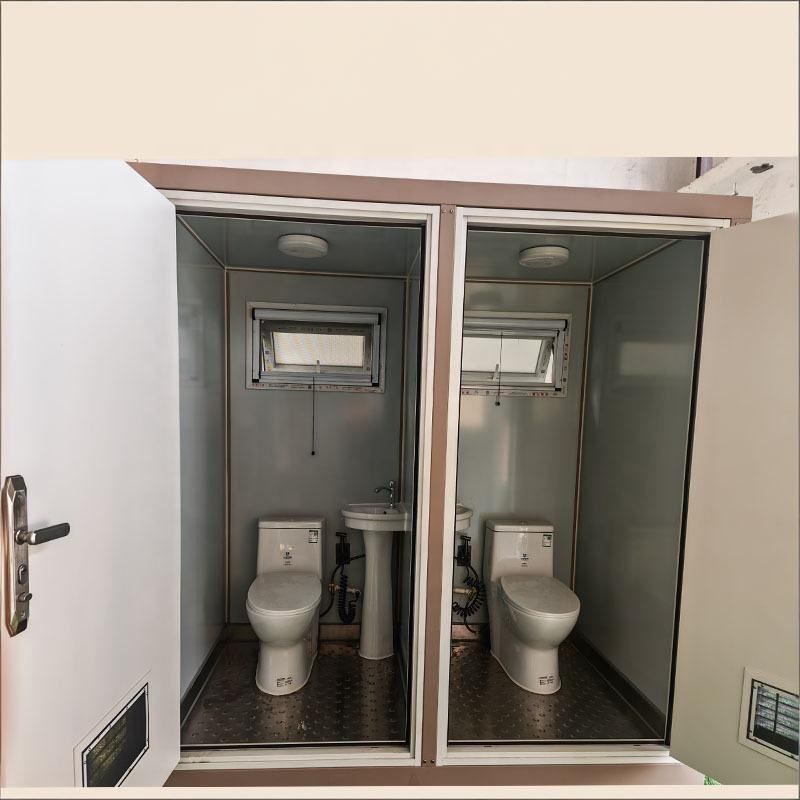
Rental Income
One of the core profit models for mobile toilets is charging rent to demanders. Their flexibility and convenience allow for rapid deployment in high-traffic areas such as commercial districts, parks and scenic spots, large event venues, and construction sites. Rental fees are typically calculated based on usage duration (e.g., daily or monthly rent), the number of toilets, and additional services (e.g., regular cleaning, supply replenishment). For example, construction sites may rent them for the duration of a project, while short-term events like music festivals charge on a daily basis, creating a stable cash flow.Advertising Partnerships
The exterior and interior spaces of mobile toilets have inherent advertising value. Their location in high-traffic areas attracts brand partnerships, with advertising fees collected by placing ads on toilet exteriors, doors, and interior compartments. Some companies also enhance revenue through creative formats, such as printing brand information on toilet paper and hand sanitizer packaging, or using electronic screens to display dynamic advertisements, achieving precise, high-frequency, and low-interference communication.Value-Added Services
Mobile toilets can further expand revenue streams by offering paid services related to toilet use. For example, installing vending machines inside toilets to sell daily consumables like tissues, beverages, and hygiene products; providing personalized services for specific groups, such as baby changing stations and feminine hygiene kits; and equipping some high-end mobile toilets with charging ports and Wi-Fi to enhance user experience and increase revenue through differentiated services.Government Subsidies
To encourage the construction of public facilities, some local governments offer subsidies or incentives for mobile toilet projects. For instance, providing financial support for projects that adopt eco-friendly technologies (e.g., solar power, waterless ecological toilets) or offering tax breaks to companies that meet specific service standards (e.g., barrier-free facilities, 24-hour cleaning). These policies reduce operating costs and indirectly enhance profitability.Technological Innovation and Management Optimization
Introducing smart management systems (e.g., remote monitoring, usage data statistics) can improve operational efficiency and reduce manual inspection costs; adopting eco-friendly and energy-saving technologies (e.g., solar panels, biodegradation treatment) can lower water and electricity consumption and extend equipment lifespan. Additionally, strengthening cleaning, maintenance, and safety management (e.g., regular disinfection, installing surveillance cameras) can enhance customer satisfaction, create a positive reputation, and attract more rental and advertising partnership opportunities, maximizing profits.



