
How About Mobile Toilets
Opting for mobile toilets is a choice with multiple advantages.
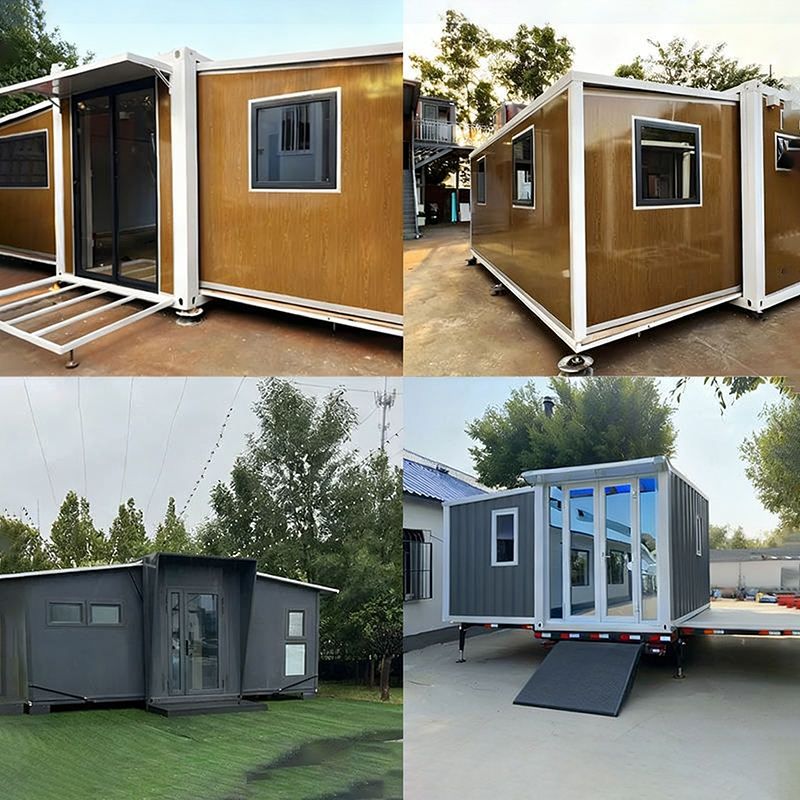
1. Adapting to Site Changes and Reducing Resource Waste
The core advantage of mobile toilets lies in their mobility, enabling flexible adjustments according to site requirements. For instance, during peak tourist seasons, Dalian City effectively alleviates toilet pressure in crowded areas by deploying mobile public toilets. Shanxi Jinci Scenic Area transformed a bus into a mobile men's toilet during the May Day holiday in 2026, increasing the daily average reception capacity of the restroom from about 3,000 to around 5,000 people. This flexibility avoids resource waste caused by the demolition or relocation of traditional fixed toilets, making it particularly suitable for temporary events, construction sites, or scenarios with seasonal fluctuations in visitor numbers.
2. Diverse Treatment Technologies to Adapt to Environmental Constraints
The treatment methods for mobile toilets can be selected based on the usage environment. For example, in remote areas without sewage pipe networks, technologies such as biodegradation, vacuum suction, or packaging treatment can be employed to reduce environmental pollution. In urban parks or scenic spots, connection to municipal pipe networks can be made for direct sewage discharge. This technological adaptability allows mobile toilets to be widely used in complex environments such as deserts, plateaus, and islands, meeting sanitation needs in various scenarios.
3. Small Footprint, Saving Land Resources
Compared to traditional fixed toilets, mobile toilets feature a more compact structural design, significantly reducing their footprint. Their lightweight materials (such as high-strength plastics and aluminum alloys) and modular assembly methods further lower land occupation costs. This characteristic is particularly prominent in urban centers or scenic spots with tight land resources, helping to optimize space utilization efficiency.
4. Combining Appearance with Functionality to Enhance Scene Adaptability
Mobile toilets focus on exterior design while meeting practical needs, allowing them to harmonize with the surrounding environment. For example, tourist attractions often adopt antique or modern minimalist styles, while parks may feature natural ecological themes. This customized design not only improves the user experience but also enhances the visual aesthetics of public spaces.
5. Factory Prefabrication for Shortened Construction Periods
Mobile toilets are typically produced using factory prefabrication methods, with the main structure assembled in the workshop and then transported to the site for simple water and electricity connections before use. This industrial production method significantly shortens the construction period, reduces noise and dust pollution from on-site construction, and ensures consistent product quality.
In addition, folk creativity has enriched the forms of mobile toilets, such as transforming water storage tanks into simple mobile restrooms, further demonstrating their design flexibility and low-cost characteristics. Overall, mobile toilets excel in resource utilization, environmental adaptation, and user experience, making them an efficient solution in the field of public facilities.



