
Replacement of Prefabricated Panels in Houses
The prefabricated panels of old houses can be replaced with new ones, but certain conditions must be met and professional procedures must be followed.
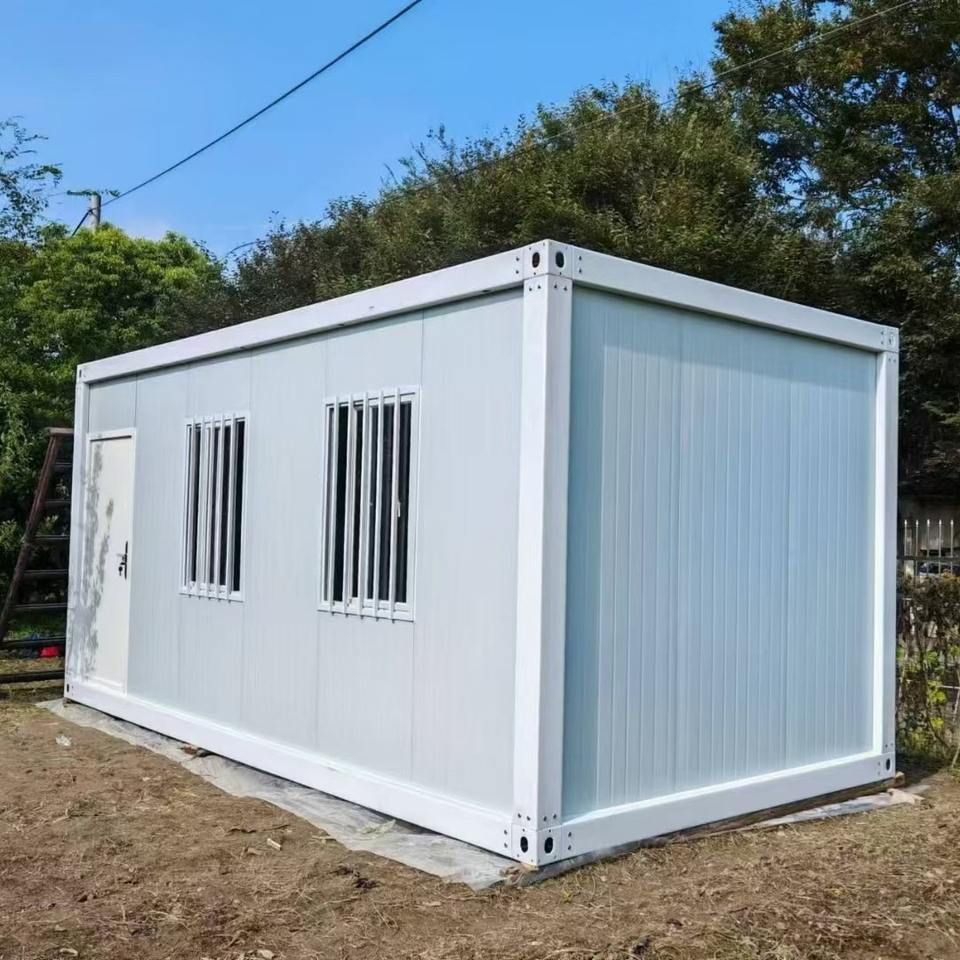
I. Replacement Conditions
Whether the prefabricated panels can be replaced depends on the overall condition of the house and urban planning requirements. If the house structure is stable and the replacement is only due to aging facilities or damaged prefabricated panels, the government will carry out a comprehensive renovation to replace the panels. If there are serious safety hazards (such as unstable structure or severe cracks) or if the replacement obstructs urban planning (such as the need for municipal construction land), the house may be demolished.
II. Replacement Process
Removal of the Original Prefabricated Panels
This must be carried out by a professional construction team to ensure structural safety. Before removal, the load-bearing system of the house must be evaluated to avoid the risk of collapse due to improper operation.Customization of New Prefabricated Panels
The new panels must be strictly customized according to the original dimensions and specifications to ensure they match the surrounding structure. The material selection must comply with current building standards (such as earthquake resistance and durability requirements) to avoid affecting overall stability due to specification deviations.Installation and Fixing
Professional equipment (such as cranes and support frames) must be used for hoisting, and the panels must be fixed by welding or bolt connections. After installation, a load test must be carried out to verify structural safety.
III. Follow-up Maintenance and Policy Trends
Long-term Maintenance Recommendations
After replacement, the house structure should be regularly inspected (such as a professional assessment every 5 years), with a focus on connection joints and settlement. If the house is very old (such as built before 2000), it is recommended to enhance safety through overall renovation.Policy Orientation
According to the Guidelines on Promoting the Renovation and Improvement of Old Urban Residential Communities, renovation follows the principle of "adapting measures to local conditions" rather than "comprehensive demolition". Starting from 2025, three types of prefabricated panel houses will be prioritized for demolition:- Structurally Irreparable: The main body is damaged and cannot be resolved through old renovation;
- Insufficient Disaster Resistance: Unable to withstand earthquakes, floods, and other disasters;
- Occupying Municipal Land: Located within the planned red line.
Renovation Scale
After 2026, the governance of dilapidated housing will accelerate, with plans to renovate more than 500,000 units (rooms), focusing on Grade C and D dilapidated houses and non-complete housing, with original demolition and reconstruction as the main approach.
IV. Risk Warnings
If the house has shown obvious tilting, wall cracks, or prefabricated panel fractures, professional institutions must be contacted immediately for inspection to avoid expanding risks through self-repair. Before renovation, consult the local housing and construction department to confirm whether it is within the scope of policy support.



