
Quay lại blog
Bài viết
House for Safety: A Helpful Guide
Quản trị 05 tháng 11, 2026
Family safety should be comprehensively constructed from three aspects: perimeter protection, general safety measures, and protection for different groups of people.
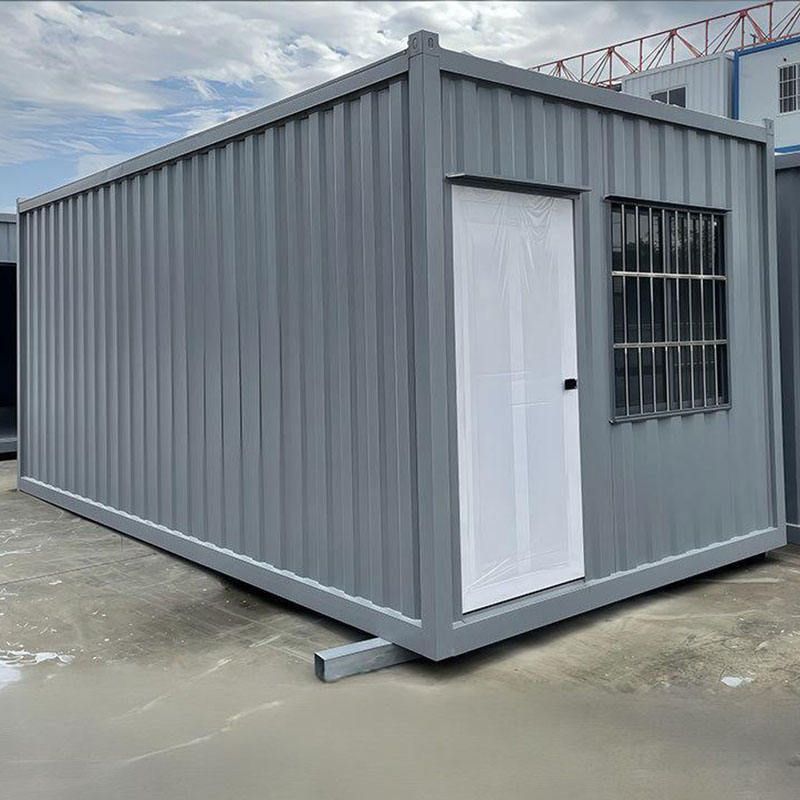
Perimeter Protection: The First Line of Defense for Family Safety
Perimeter protection is the foundation of family safety, and conspicuous security equipment can effectively deter criminals. Pulse electronic fences are an ideal choice, with significant advantages:
- All-weather Zero False Alarms: They trigger alarms through physical contact, with an extremely low false alarm rate, unaffected by weather conditions such as fog or heavy rain.
- Flexible Custom Design: They offer multiple configurations from single to six wires, with thin cables and color options (dark gray or dark green) that can blend seamlessly with walls, providing strong concealment.
- Smart Linkage: They can be linked with surveillance cameras, lighting, and other equipment to form a "smart courtyard" protection system.
General Family Safety Measures: Covering Daily Risks
Electrical, Gas, and Fire Safety
- Electrical Inspection (EICR): Regularly inspect household electrical circuits to ensure compliance and prevent short circuits or overload risks.
- Fire Risk Assessment: Identify potential hazards from flammable items (such as paper and curtains) and heat sources (such as ovens and stoves), and maintain a safe distance.
- Gas Safety: Regularly inspect gas pipelines and install gas alarms to prevent explosions or poisoning caused by leaks.
- PAT Testing: Conduct portable appliance testing on electrical devices to ensure safe daily use.
Preventing Burglary
- Create the illusion of occupancy (such as using timers for lights and playing sounds through smart speakers).
- Install reliable external door locks and avoid hiding spare keys in obvious places outside the door.
- Secure sliding glass doors to prevent them from being pried open.
Kitchen and Bathroom Safety
- Kitchen: Keep away from flammable items and heat sources, store harmful products (such as cleaners and lighters) properly, avoid leaving sharp items unattended, ensure electrical appliances are well-ventilated, and keep wires from crossing countertops.
- Bathroom: Keep electrical appliances away from water sources and use anti-slip strips to prevent falls.
Safety Measures for Different Groups of People
Child Protection
- Lock cleaners, medications, and other items in upper cabinets, and install magnetic cabinet locks or tamper-resistant outlets.
- Install safety gates on stairs (secured at the top with hardware and at the bottom with pressure-sensitive mechanisms), with gate railings spaced no more than 3 inches apart.
- Set the water heater temperature below 120°F to prevent scalding; secure heavy furniture with anti-tip straps.
- Install window guards or stops to limit openings to no more than 4 inches.
Elderly Protection
- Focus on similar modifications as for children, such as securing chemicals, fixing furniture, and installing anti-slip strips.
- Ensure adequate lighting to reduce the risk of falls; place frequently used items within easy reach.
Disabled Protection
- Design homes according to mobility, vision, or cognitive needs, such as installing handrails, adjusting furniture heights, and using voice-controlled devices.
- Keep pathways clear and avoid clutter; use contrasting colors to mark hazardous areas (such as the edges of steps).
By implementing systematic protection measures, family safety can achieve multi-level, full-scenario coverage, effectively reducing risks and enhancing the sense of security in living environments.



