
Hong Kong Epidemic Prevention Container Houses
The container houses used in Hong Kong's epidemic prevention mainly include two types: photovoltaic-powered modular container houses and modular transitional houses. They are characterized by rapid construction, complete functionality, and environmental protection and energy efficiency, providing efficient solutions for the construction of anti-epidemic isolation facilities.
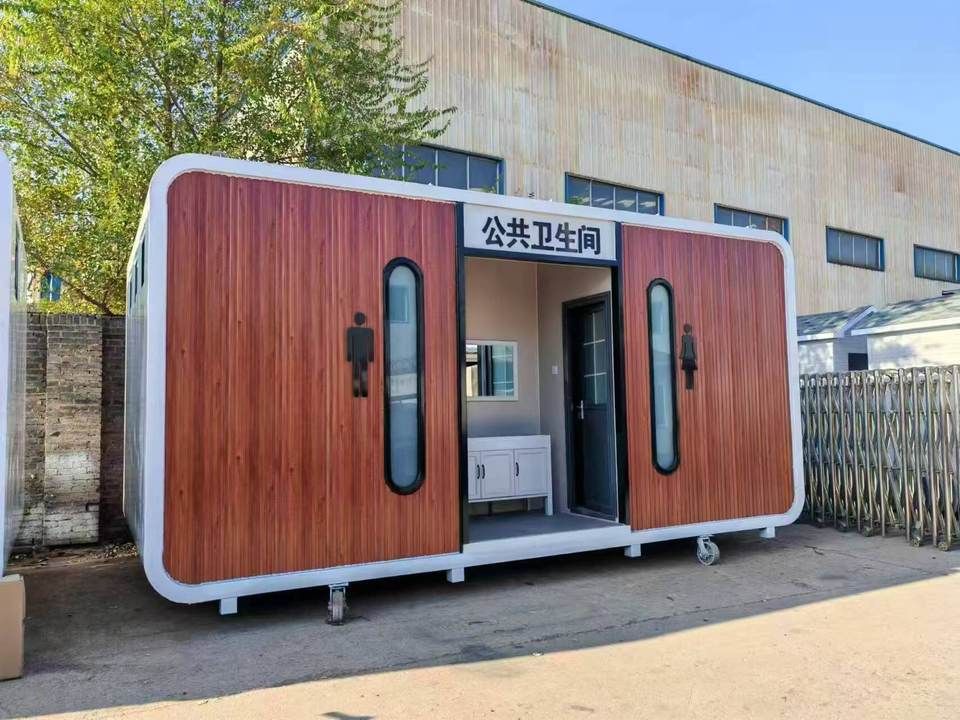
Photovoltaic-Powered Modular Container Houses
Mingyang Ruike collaborated with China Construction Fourth Engineering Division to provide modular container houses with photovoltaic power generation capabilities for the construction of emergency hospitals and Fangcang hospitals in the Lok Ma Chau Loop area of Hong Kong. These container houses adopt intelligent manufacturing technology and can be customized on demand, transported conveniently, and installed quickly. They can generate electricity efficiently even in weak light conditions such as cloudy and rainy days, providing clean power independently for the containers. A single photovoltaic container can generate 2115 kilowatt-hours of electricity per year, meeting the electricity needs of air conditioners, lighting, and other electrical appliances throughout the day. Over its service life, it can save 30 tons of standard coal and reduce carbon dioxide emissions by 78 tons. Under tight construction schedules, the construction team completed the installation and commissioning of the container houses in just 48 hours and delivered the first batch of products on March 10, providing crucial support for the rapid lighting up of the "Ark of Life" in Lok Ma Chau.
Modular Transitional Houses
CIMC Modular Building Systems Co., Ltd. has provided a large number of modular transitional houses for Hong Kong's epidemic prevention efforts. For example, the transitional housing project in Tung Tau Tsuen, Yuen Long, has been transformed into isolation facilities, with all 2076 residential building modules delivered and hoisted in place. It is expected to accommodate more than 3600 isolated individuals. In addition, isolation and quarantine centers such as Chung Kwan Bay 3A (857 units) and Pak Heung Youth Cadet Training Centre (120 units) have also been put into use. These transitional houses adopt prefabricated construction methods and are composed of modular container houses. Each room is equipped with basic supplies, air conditioners, smoke detectors, and other facilities, achieving a combination of rapid construction and complete functionality.
Transportation and Installation Support
To ensure the timely arrival of container houses in Hong Kong, companies such as Chu Kong Shipping Enterprises have opened multiple dedicated waterway transportation routes. For example, the "Zhongshan Huangpu Port - Hong Kong" route has transported nearly 5000 sets of Fangcang mobile houses through 48 voyages, supporting the construction of isolation facilities in areas such as Tsing Yi and Former San Tin Shopping City. During the installation process, workers can assemble one Fangcang mobile house per day on average. Through modular design and rapid on-site stacking, the construction efficiency has been significantly improved.



