
Quay lại blog
Bài viết
Homestay Mobile House Container
Quản trị 16 tháng 9, 2026
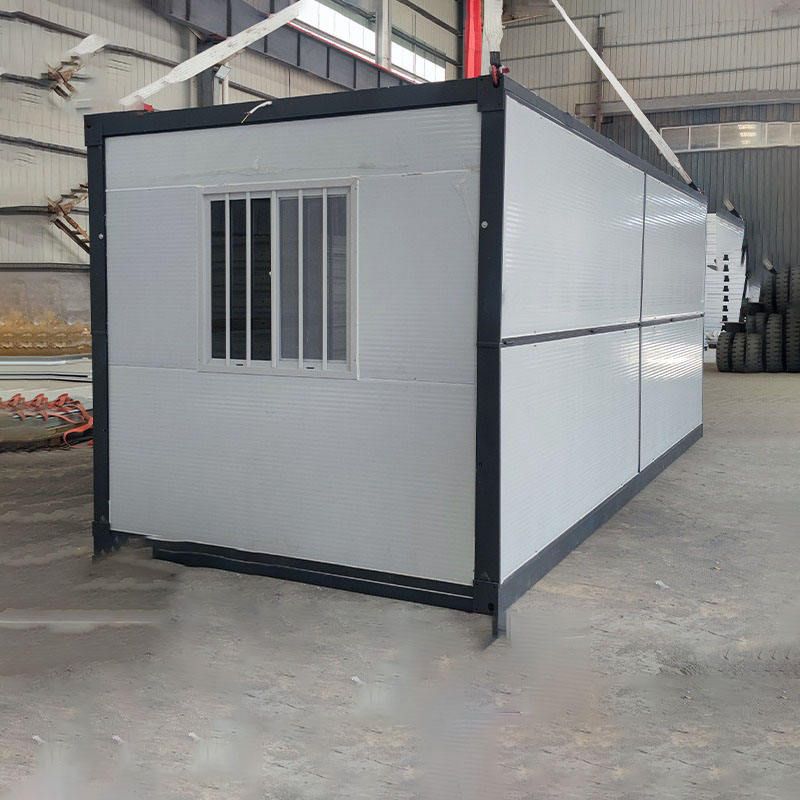
A homestay mobile house container is a movable accommodation space for homestays, based on standard shipping containers or customized containers and transformed through design. The following is an introduction from several aspects including features, application scenarios, development status, and purchasing considerations:
Features
- Short construction cycle: It can take as short as 45 days from design to opening, enabling quick entry into operation and meeting urgent accommodation demands during peak tourist seasons.
- Environmental protection and energy efficiency: It often adopts systems such as photovoltaic power supply and rainwater harvesting, reducing dependence on traditional energy sources and lowering operating costs.
- Modularity and mobility: It has modular characteristics and can be assembled from multiple individual containers vertically and horizontally to form architectural spaces that meet various usage requirements. It can also be relocated multiple times to adapt to different site needs.
- Adaptability to various terrains: Whether it is mountainous areas, forests, grasslands, lakes, or coastal regions, it can be reasonably laid out and designed according to the terrain environment.
Application Scenarios
It is widely used in tourist attractions and rural areas, helping to revitalize idle resources and develop rural tourism. For example, there are practical applications in places such as Mogan Mountain in Zhejiang, Dali in Yunnan, Yangshuo in Guilin, and Yangshan Island in Lianyungang, Jiangsu. Some projects also incorporate local cultural elements such as paper-cutting art and brick carvings.
Development Status
- Origin: The creative concept is associated with environmental protection and sustainable tourism ideas. An early representative case is the green eco-tourism hotel built by Mr. Roberto Sage.
- Development stages: After the concept was introduced to China, there were sporadic attempts in the late 2010s. It entered a rapid development stage in the 2020s and became a popular choice for cultural tourism and rural revitalization projects. By 2026, the market will be booming, with technological iterations reflected in the widespread application of eco-friendly materials and the integration of intelligent technologies. The supply chain is also becoming more mature, and there are trends towards customized and high-end design as well as policy standardization.
Purchasing Considerations
- Process performance: Evaluate the level of weld-free quick-assembly technology, the degree of disassembly and assembly losses, and the structural stability after multiple relocations and reuse.
- Compliance and services: Check the production entity's qualifications, domestic and foreign certifications, and its ability in project delivery and after-sales implementation.
- Scenario adaptability: Compare the product's customization flexibility and adaptability to multiple scenarios.
- Return on investment: Comprehensively evaluate the product's reuse throughout its entire life cycle and operation and maintenance costs.



