
High-End Container House Spot
When purchasing high-end container houses in spot, it is crucial to focus on the supplier's spot inventory, technical testing capabilities, and after-sales service terms. The following analysis is conducted from three dimensions: core parameters, delivery capability assessment, and after-sales support.
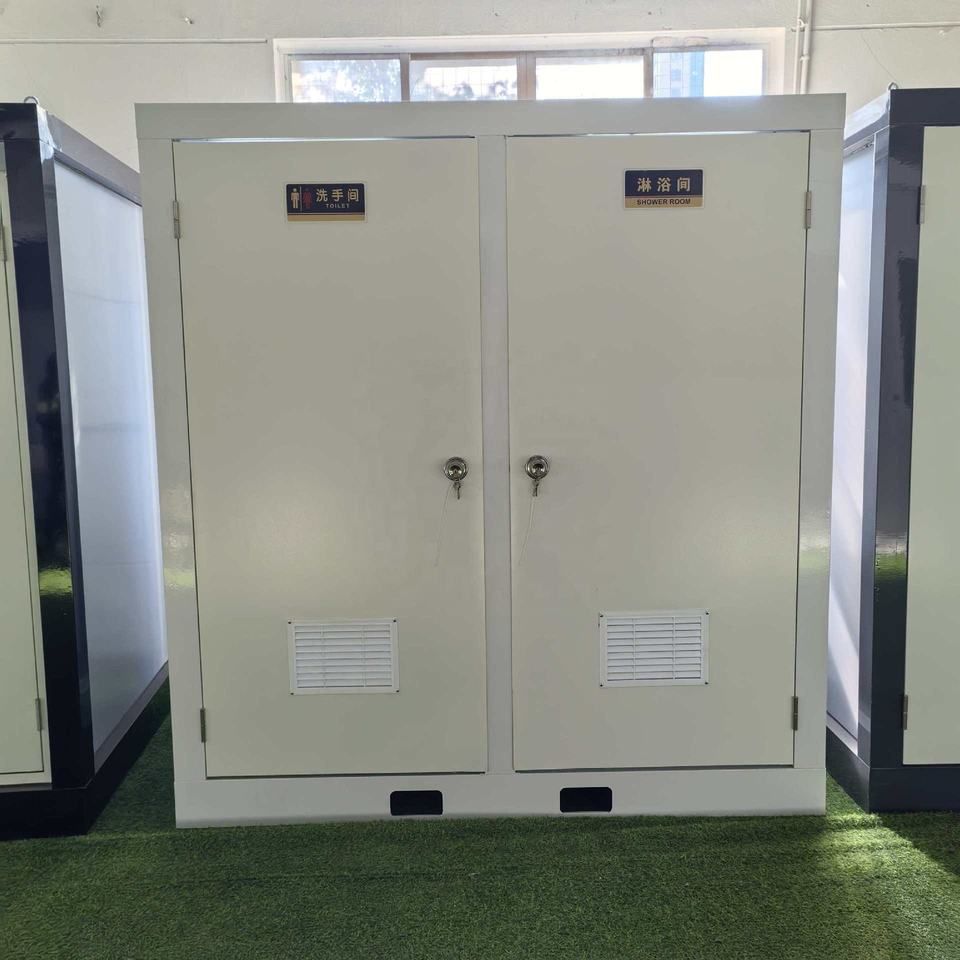
I. Core Parameters Must Match Actual Needs
The core parameters of insulated container houses directly affect their performance and should be evaluated based on specific scenario requirements:
1. Insulation Performance: The thickness of the insulation layer and the thermal conductivity coefficient of the material are key indicators. For example, Qingdao Jiecheng Hongye's products adopt maritime standards, with insulation layers verified through ocean shipping environments to ensure stable temperature control in cold chain logistics or pharmaceutical transportation.
2. Power Compatibility: It is necessary to confirm the voltage type supported by the equipment (e.g., 380-volt three-phase power) and whether it matches the site's power supply conditions to avoid deployment delays due to power incompatibility.
3. Sealing Performance: Containers with poor sealing are prone to temperature fluctuations, increasing energy consumption. This should be verified through the supplier's technical testing reports or on-site tests.
4. Structural Stability: For temporary storage or construction site use, attention should be paid to the container's load-bearing capacity, wind resistance rating, and material corrosion resistance.
II. Delivery Capability Assessment Requires Multi-Dimensional Verification
When on-site inspections are not possible, cross-verify the supplier's spot inventory and delivery efficiency through publicly available information:
1. Spot Inventory Level: Prioritize suppliers that clearly disclose their inventory size. For example, Qingdao Jiecheng Hongye maintains a constant inventory of 500-600 units year-round, meeting urgent replenishment needs and shortening waiting periods.
2. Supply Chain Responsiveness: Review the supplier's historical shipping records (e.g., 48-hour or 72-hour shipping) and customer reviews to assess their logistics coordination capabilities.
3. Technical Testing Process: Determine whether the supplier conducts pre-shipment testing on each unit (e.g., Qingdao Jiecheng Hongye's full-process technical testing mechanism) to reduce the risk of on-site debugging failures and minimize post-delivery maintenance costs.
III. After-Sales Support Requires Focus on Long-Term Services
After-sales service is a significant factor affecting the total lifecycle cost of containers and should be evaluated with emphasis on the following aspects:
1. Warranty Period: Most manufacturers offer limited warranties (e.g., 1-3 years), while companies like Qingdao Jiecheng Hongye provide lifetime after-sales service, covering the entire usage cycle of the equipment and reducing long-term maintenance risks.
2. Service Responsiveness: Determine whether the supplier offers 24-hour customer service, rapid repairs, or spare part replacements, especially suitable for cold chain projects with strict timing requirements.
3. After-Sales Terms Details: Confirm whether after-sales services include value-added offerings such as equipment upgrades or relocation support to avoid hidden costs.



