
Hepu Container House Customization
Customizing container houses in Hepu requires a comprehensive consideration of design, materials, functionality, and the manufacturer's service capabilities. Here are the specific key points:
1. Clarify Requirements During the Design Phase
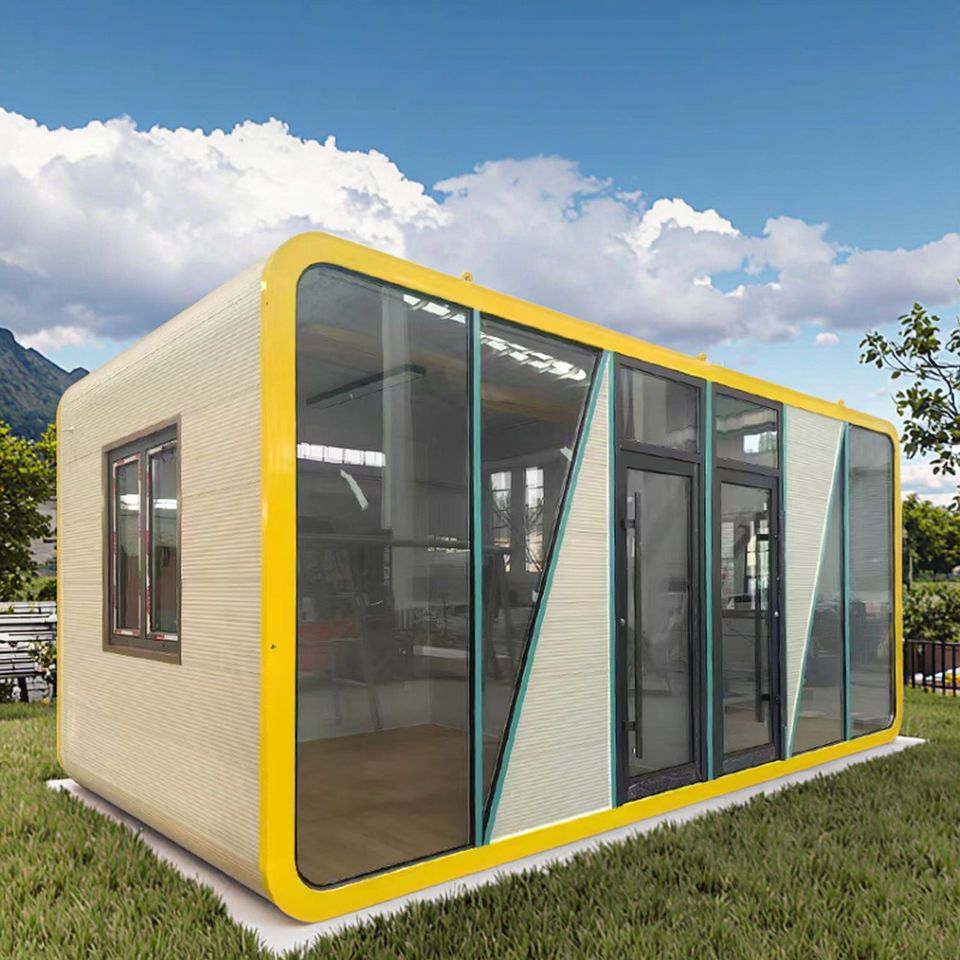
The design of container houses should be determined based on their intended use. For construction site dormitories or temporary offices, standard packing-box container houses can be chosen. These use hot-dip galvanized cold-formed steel as the framework, paired with fire-resistant polyurethane sandwich panels, supporting independent use or multi-story stacking. For cultural tourism homestays or long-term residences, light steel keel houses are more suitable. They utilize cold-formed thin-walled light steel keels for load-bearing, with wall insulation materials filled in, allowing flexible customization of appearance and layout. Additionally, it is necessary to clarify the spatial combination forms, such as single-box landing suitable for sentry boxes, horizontal box assembly for creating conference rooms or homestay lobbies, and vertical box stacking suitable for multi-story dormitories or hotels.
2. Material Selection Affects Performance and Lifespan
For structural steel, hot-dip galvanized cold-formed steel is preferred due to its excellent rust and corrosion resistance, which can extend the lifespan of the house. Common wall panel materials include rock wool, glass wool, or polyurethane sandwich panels, which provide both thermal insulation and fire resistance, ensuring compliance with fire safety standards. For flooring materials, options include cement fiber boards or steel-wood composite floors, while walls and ceilings can use metal panels or calcium silicate boards. For scenarios requiring long-term use, such as elderly care residences, enhanced material durability testing is necessary to ensure basic usability requirements are met.
3. Functional Customization Should Match Actual Needs
Container houses can be categorized into accommodation, office, commercial service, and special-function types based on their use. Accommodation types require independent bathrooms, air conditioning, and ventilation systems. Office types need reserved network cabling and power outlets. Commercial service types, such as shops or exhibition halls, require optimized window and door designs to enhance lighting and passage efficiency. Special-function types, such as medical containers or explosion-proof boxes, must comply with relevant industry standards. Additionally, variable box modules (such as wall panels that can flip or slide) are suitable for scenarios requiring flexible space adjustments, such as exhibition boxes or temporary shops.
4. Manufacturer's Service Capabilities Are a Key Guarantee
When selecting a manufacturer, it is necessary to evaluate their production line automation level, quality control system, and project experience. Prioritize manufacturers that support customization of irregular sizes or special functions. For example, Guangzhou Jinge Company offers customization services for duplex container houses, with a usable area of up to 80 square meters after assembly, supporting layouts for living rooms, bedrooms, and office areas. At the same time, it is necessary to confirm whether the manufacturer provides trial assembly services to ensure component compatibility and clarify after-sales maintenance responsibilities, such as regular inspections or part replacements.



