
Quay lại blog
Bài viết
Hebei Mobile Toilet Design Solution
Quản trị 10 tháng 10, 2026
The design solution for mobile toilets in Hebei should comprehensively consider type selection, layout principles, and supporting facilities to ensure functionality and practicality.
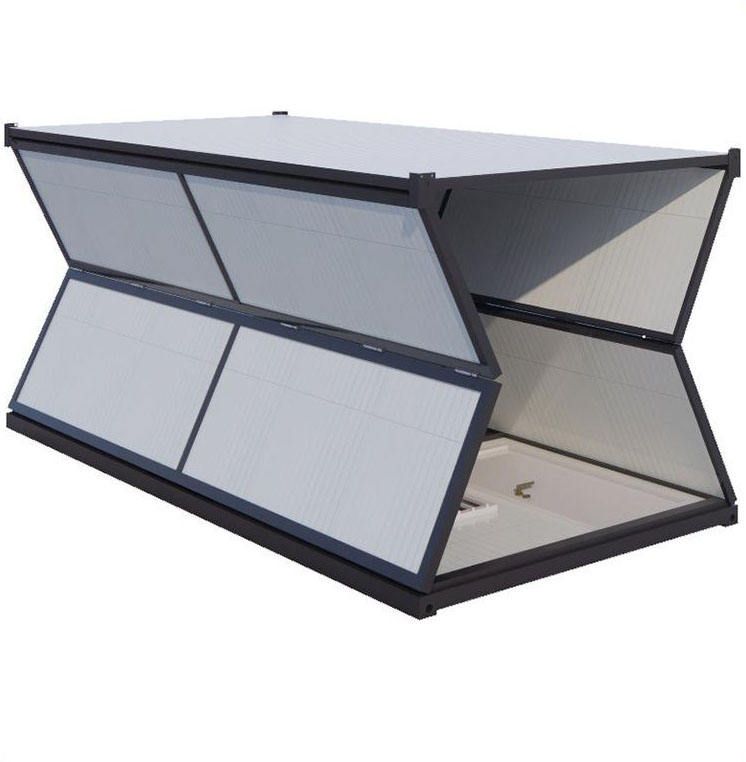
I. Type Selection
Based on usage scenarios and requirements, the following types of mobile toilets can be selected in Hebei:
- Single-unit mobile toilets: Suitable for occasions with limited space and short-term use (such as temporary exhibitions and construction sites). Made of lightweight materials, they are equipped with a toilet, flushing device, and sink inside, facilitating quick installation and mobility.
- Waterless ecological toilets: Designed for water-scarce areas or scenarios with high environmental protection requirements (such as mountainous and grassland activities). They use biodegradation technology to treat excreta without flushing, reducing water consumption and sewage discharge.
- Smart mobile toilets: Suitable for large-scale events or high-end venues (such as music festivals and commercial centers). They integrate functions such as automatic cleaning, deodorization, and temperature and humidity monitoring to enhance the user experience and maintenance efficiency.
- Vehicle-mounted mobile toilets: Ideal for work environments with unfixed sites or frequent mobility requirements (such as road construction and emergency rescue). The vehicles come with built-in water tanks and sewage tanks, offering high flexibility.
II. Layout Principles
- Location selection: Prioritize areas with higher elevation and good drainage, away from food processing areas, dining areas, and water sources to avoid pollution risks. At the same time, they should be close to areas with high pedestrian activity to ensure convenience of use.
- Quantity allocation: Calculate requirements based on event scale, duration, and gender ratio. For example, allocate one toilet for every 50-100 people and set up accessible toilets (accounting for no less than 5%) to meet the needs of special groups.
- Passageways and signage: Reserve passageways at least 1.2 meters wide to avoid congestion. Set up clear signs (such as directional indicators, gender distinctions, and accessible symbols). At night, reflective signs or lighting should be provided.
III. Supporting Facilities
- Lighting system: For nighttime use, install solar lights or battery-powered LED lights to ensure uniform brightness and energy efficiency.
- Ventilation design: Use natural ventilation (such as opening windows at the top) or install small exhaust fans to maintain air circulation and reduce odor concentration.
- Hygiene product replenishment: Regularly inspect and replenish consumables such as toilet paper and hand sanitizer. Set up covered trash bins to prevent overflow and pollution.
- Water supply and drainage: For flushing toilets, plan temporary water supply (such as water tanks) and drainage (such as septic tanks or sewage trucks). For waterless toilets, regularly clean the degradation agents and excreta containers.
Through scientific type selection, reasonable layout, and comprehensive supporting facilities, the mobile toilet solution in Hebei can meet environmental protection, convenience, and humanized needs, making it suitable for various temporary or mobile scenarios.



