
Hebei Housing Container Design
The design of housing containers in Hebei requires comprehensive consideration of factors such as structural design, space expansion, material quality, and ease of assembly and disassembly, along with selection based on specific application scenarios and needs.
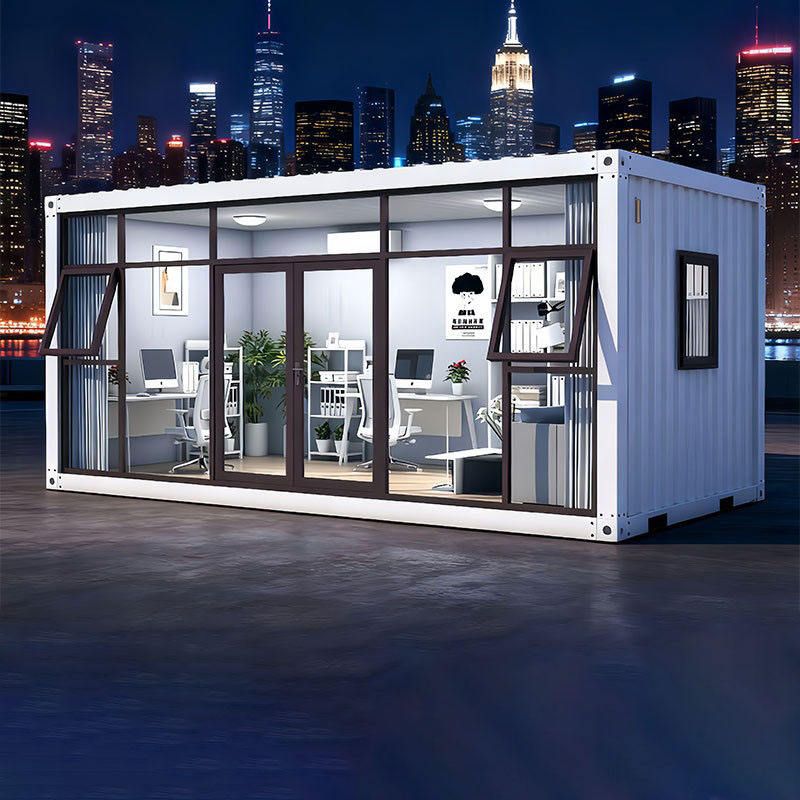
Structural Design
The structural design of housing containers must adhere to the 'Building Structural Design Code' to ensure stability and safety in various environments. In earthquake-prone areas, more robust frame structures are required; in areas with strong winds, wind-resistant designs need to be reinforced. For example, the double-wing expandable container houses from Hebei Haojin Environmental Protection utilize a rational frame structure suitable for long-term residential and office needs; the Z-type folding packing containers from Hebei Xinheng Integrated Housing emphasize wind and earthquake resistance, adapting to extreme temperature ranges from -30℃ to 50℃.
Space Expansion Capability
Space expansion is one of the core advantages of container houses. Double-wing expandable container houses increase usable space through expandable structures; the greater the expansion range, the higher the flexibility, suitable for temporary exhibitions, emergency rescue, and other scenarios. The Z-type folding packing containers from Hebei Xinheng adopt a folding design, compressing volume during transportation and quickly expanding on-site to meet the needs of rapid deployment of temporary spaces in overseas infrastructure camps and emergency shelters.
Material Quality
Material quality directly affects the durability and environmental friendliness of the house. High-quality steel, insulation materials, etc., that comply with the 'Building Material Quality Standards' need to be selected to ensure the lifespan and living comfort of the house. For example, the container houses from Hebei Haojin Environmental Protection use standard-compliant steel and insulation materials suitable for scenarios with high environmental and lifespan requirements; the packing container houses from Hebei Jinrixing Prefabricated Housing improve assembly efficiency and structural strength by modifying frame connection methods (e.g., welding instead of screw connections).
Ease of Assembly and Disassembly
Convenient assembly and disassembly designs can reduce transportation and installation costs and improve usage efficiency, especially suitable for scenarios requiring frequent relocation such as construction site dormitories and wilderness camps. The container houses from Hebei Haojin Environmental Protection support rapid assembly and disassembly; the Z-type folding packing containers from Hebei Xinheng further optimize deployment efficiency by minimizing transportation volume through folding structures and expanding into shape on-site.
Scenario Adaptation and Selection Considerations
The needs for container houses vary across different scenarios. For example, overseas infrastructure camps need to balance space utilization and installation efficiency, while emergency rescue scenarios require rapid deployment and adaptability to extreme environments. When selecting, attention should be paid to folding methods, material weather resistance, expansion dimensions, connection methods, and compliance with local building codes. Hebei Xinheng Integrated Housing has obtained international certifications (e.g., CE, ASTM), and its products can adapt to special environments such as deserts, cold regions, and high-temperature areas, providing reliable choices for overseas projects.



