
Quay lại blog
Bài viết
Hazards of Container Houses
Quản trị 15 tháng 9, 2026
Container houses pose multiple hazards, including safety risks, environmental damage, legal risks, and health impacts.
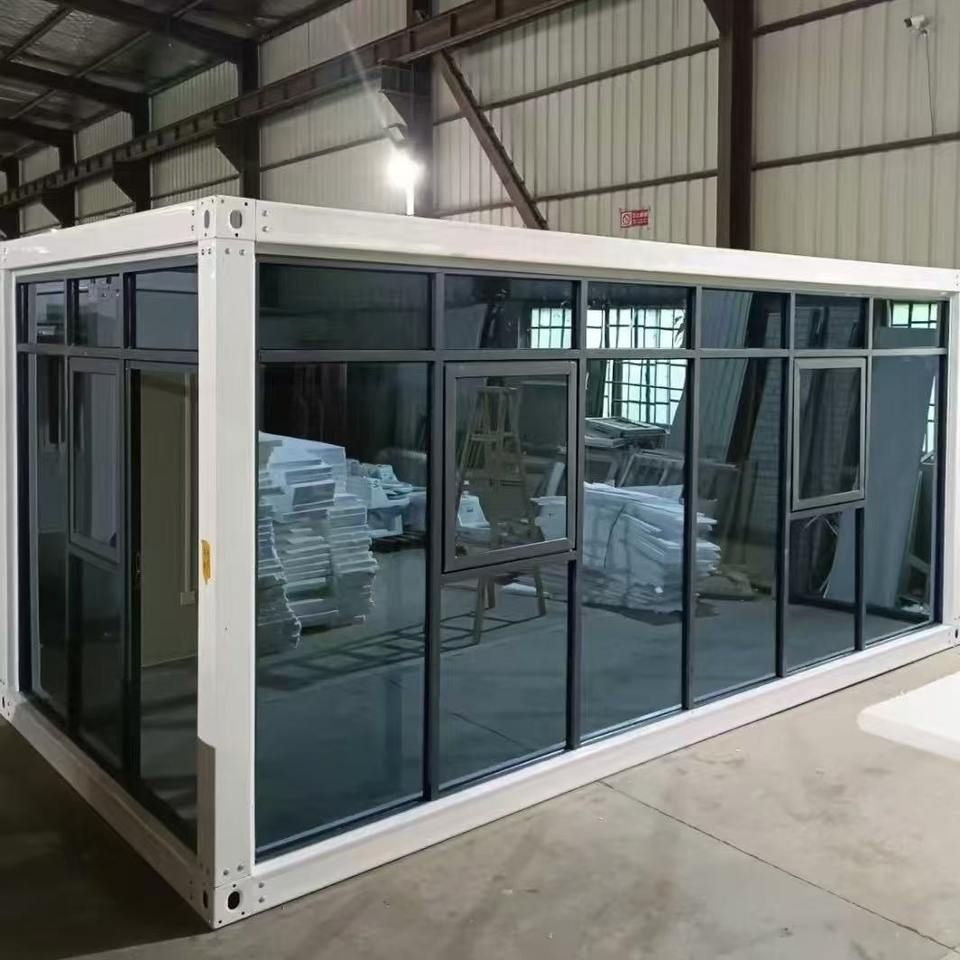
I. Safety Risks
- Poor Fire Resistance: Most container houses are constructed using flammable sandwich panels (such as polyurethane and polystyrene), which do not meet fire resistance standards. In the event of a fire, the flames spread rapidly, producing toxic smoke, and the steel structure is prone to deformation and collapse under high temperatures, making escape difficult. For example, fires at a senior apartment in Pingdingshan, Henan in 2015 and a construction site dormitory in Zhenjiang New District in 2022 both resulted in severe consequences due to the poor fire resistance of container houses.
- Electrical Hazards: Issues such as unauthorized wiring, mixing of high-power appliances, and the use of bottled gas indoors are common, posing significant risks of electric shock and fire.
- Structural Stability: Over time, the steel structure is prone to local damage due to corrosion or overloading, and may even collapse entirely, threatening the safety of occupants.
- Narrow Passageways: Some containers occupy safety evacuation routes in pursuit of space, hindering personnel evacuation during fires.
II. Environmental Damage
- Land Occupation: Unauthorized occupation of collective land or rural roads blocks fire exits, disrupts village appearance, and triggers neighborhood disputes.
- Visual Pollution: Containers are randomly stacked and appear worn, clashing with the surrounding environment and detracting from the beauty of rural construction.
- Resource Waste: Some containers are used temporarily and are not properly disposed of after being discarded, resulting in resource waste.
III. Legal Risks
- Illegal Construction: According to the Urban and Rural Planning Law of the People's Republic of China, modifying containers for residential use without permission constitutes illegal construction and may face forced demolition and penalties.
- Lack of Management: Without unified management, issues such as environmental filth and safety hazards are prone to arise, increasing social governance costs.
IV. Health Impacts
- Poor Ventilation and Lighting: The internal space is cramped, with insufficient ventilation and lighting, facilitating the growth of bacteria and mold and affecting the health of occupants.
- Poor Sound Insulation: The metallic material transmits sound effectively, resulting in poor sound insulation and significant noise interference.
- Material Pollution: Low-end products have poor thermal insulation properties, and some paints or materials may release harmful gases, posing long-term health risks when inhaled.



