
Quay lại blog
Bài viết
Installation of Portable Toilets at Construction Sites in Handan
Quản trị 28 tháng 9, 2026
The installation of portable toilets at construction sites in Handan should follow the following steps and specifications:
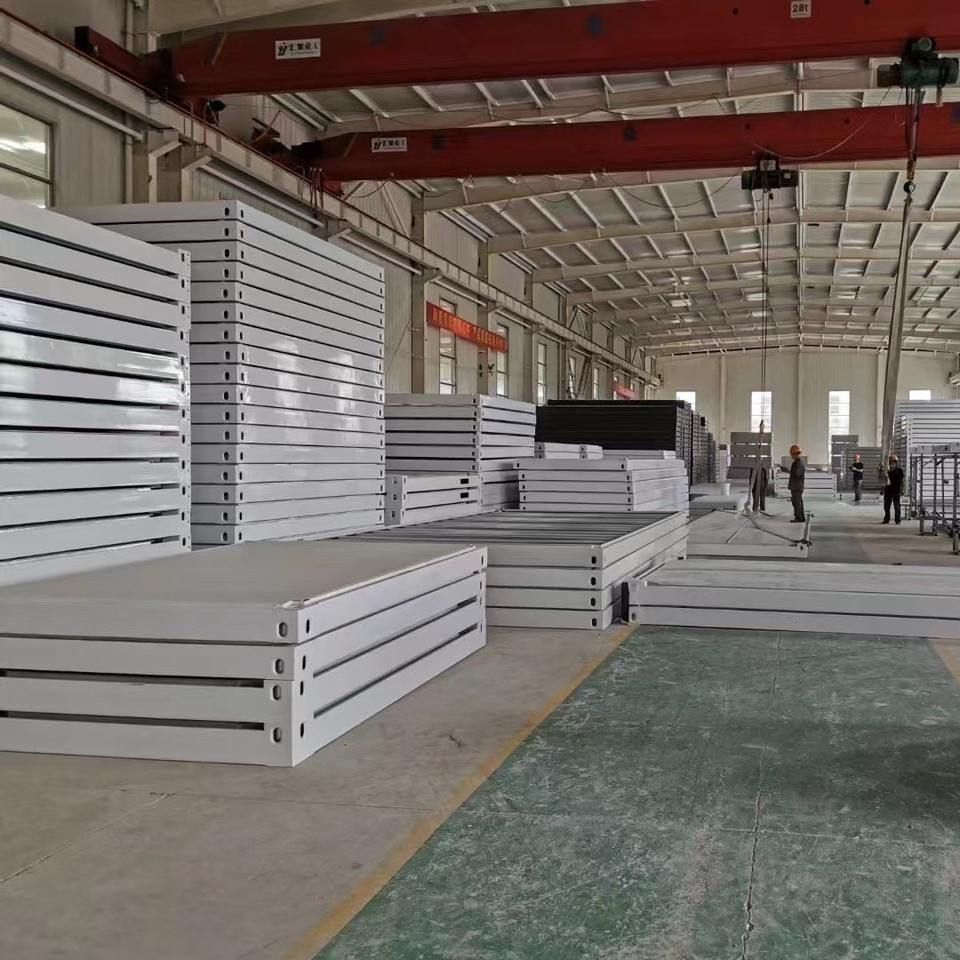
I. Preliminary Preparations
- Specification Confirmation: Select the type of toilet based on the usage scenario at the construction site, such as a single-unit or modular structure, and clarify whether functional configurations such as barrier-free facilities and water-saving devices are required.
- Equipment Debugging: The production unit needs to complete the overall assembly and internal system debugging, including the sealing and functionality testing of sewage pipes, ventilation devices, and water and electricity interfaces, to ensure no leakage or short-circuit risks.
- Transportation Planning: Survey the transportation route in advance, assess road width, turning radius, and overhead obstacles (such as power lines and branches). For special terrains, reserve space for lifting equipment operations. Oversized and over-height equipment needs to be reported to the traffic department for designated travel times.
II. Loading, Unloading, and Fixing
- Lifting Operations: Use professional lifting equipment to handle the toilet through the lifting rings on the top or the forklift slots at the bottom, ensuring even distribution of the lifting straps to avoid structural damage.
- Transportation Fixing: After loading, secure the bottom of the toilet to the vehicle's fixing frame with multiple straps and add anti-slip pads; for long-distance transportation, add windbreak ropes to prevent tipping.
- Safety Protection: Operators must wear safety helmets and reflective vests, and warning signs should be set up in the work area to keep unrelated personnel away.
III. On-site Installation
- Site Preparation: Clear debris from the installation area, level the ground, and confirm that the positions of sewage pipes and septic tanks match according to the foundation drawings.
- Main Unit Positioning: Use lifting equipment to slowly place the toilet on the preset base, adjust the levelness error to ≤5mm to ensure stability.
- Pipe Connection: Use rubber rings + sealant for double sealing of sewage pipes. After connecting water and electricity lines, conduct pressure testing (for water supply pipes) and grounding detection (for circuits), and make waterproof treatments at the interfaces.
IV. Debugging and Acceptance
- Function Testing: Check the operating status of flushing devices, lighting, and ventilation equipment. For water-saving devices, test the flushing cycle and sewage discharge smoothness.
- Barrier-free Acceptance: Confirm the firmness of handrails, that the wheelchair turning space meets standards, and that emergency call devices can respond normally.
- Cleaning Training: After installation, conduct internal disinfection and train operators on daily cleaning and the replacement cycle of consumables and other maintenance matters.
V. Handling Special Situations
- Geological Adaptation: For soft foundations, pour concrete foundations; for sloped sites, install leveling brackets; in winter construction, add heating tapes to water supply pipes to prevent freezing.
- Seasonal Adjustments: Avoid transporting during high-temperature periods in summer to prevent equipment failure due to sun exposure; when installing during the rainy season, reserve drainage slopes to avoid water accumulation.
Portable toilets in the Handan area are made of factory-prefabricated materials, with a construction period of about 30 days. They can be constructed year-round and have advantages such as earthquake resistance, thermal insulation, and low cost, making them suitable for rapid deployment needs at construction sites.



