
Hami Container Modular Housing
Hami container modular housing is a form of modular residence that integrates traditional wisdom with modern industrial efficiency, using standard steel containers as the basic building blocks. It features efficient construction, reliable structure, flexible design, controllable costs, and sustainability.
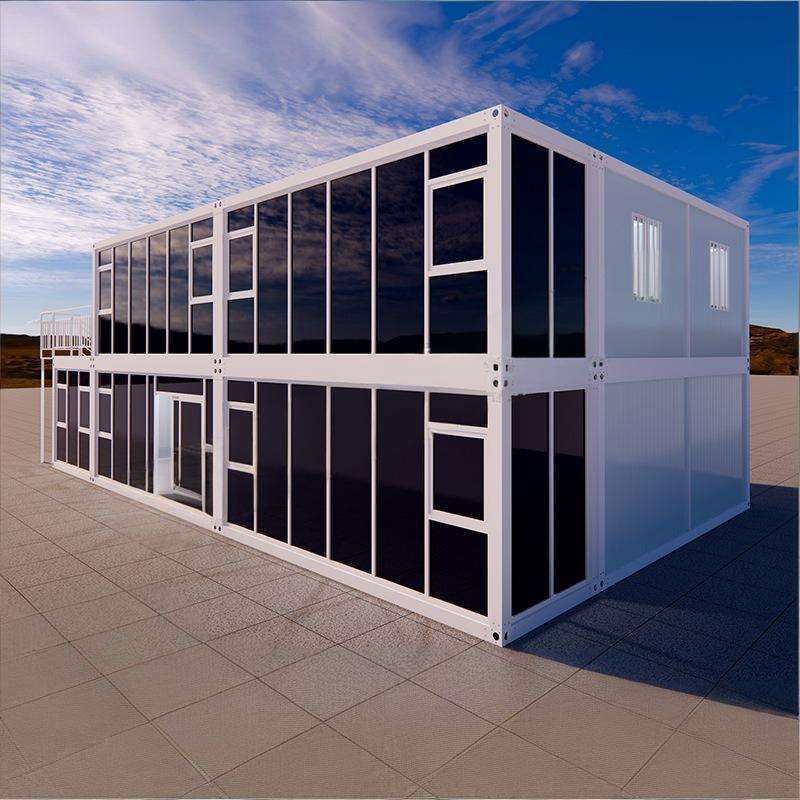
Core Characteristics
High Construction Efficiency
The main structural components are prefabricated in factories, with on-site construction primarily involving assembly, significantly shortening the construction period. Compared to traditional buildings, it reduces wet operations (such as concrete pouring) and construction noise, having a smaller impact on the surrounding environment and being suitable for rapid deployment scenarios.Strong and Durable Structure
The steel frame provides high compressive and wind resistance, enabling it to withstand harsh weather and geological conditions. For example, in earthquake-prone or high-wind areas, its stability is superior to that of lightweight temporary buildings, providing safety for occupants.Highly Flexible Design
The space can be customized as needed, adapting to changes in family structure or functional adjustments by adding or removing container modules. For instance, it can be expanded into multi-bedroom residences, office spaces, or commercial venues to meet different scenario requirements.Relatively Controllable Costs
Mass-produced container modules and rapid assembly processes reduce material and labor costs. Compared to traditional buildings, its budget is more transparent, making it suitable for projects with limited budgets or temporary needs.Embodies Sustainable Concepts
Utilizing retired or idle containers for renovation reduces energy consumption and carbon emissions associated with steel recycling and remanufacturing. Meanwhile, the modular design facilitates future disassembly, relocation, or recycling, aligning with the environmental direction of resource recycling.
Design Innovation Directions
Improving Internal Physical Environment
Enhance thermal performance by adding insulation layers (such as rock wool or polyurethane foam) and soundproofing materials; optimize window-to-door ratios and positions to utilize cross-ventilation for enhanced natural ventilation, and plan efficient air conditioning and fresh air systems to address ventilation issues caused by the airtightness of containers.Breaking the Sense of Modular Enclosure
Create open spaces by removing side panels of adjacent containers, installing large floor-to-ceiling windows or skylights to introduce natural light; adopt staggered or cantilevered combinations to create gray spaces such as terraces and balconies, blurring the boundaries between indoor and outdoor areas and enhancing living comfort.
Market Situation
The Hami container housing market features numerous brands, including Yijia, Hongyi, Fanglin, Miaoxin, Huanya, Deshun, Jingweida, Yiheng, Zhexia, Haiwangda Manufacturing, Xinghuiming, and Shengtai, covering the entire industrial chain from design to production and offering diverse choices for different needs.



