
Guangrao Mobile Container House
Information about Guangrao mobile container houses can refer to the general characteristics and market situation of modular container houses. They have features such as mobility, assemblability, and wide application scenarios, and prices vary depending on the type and configuration.
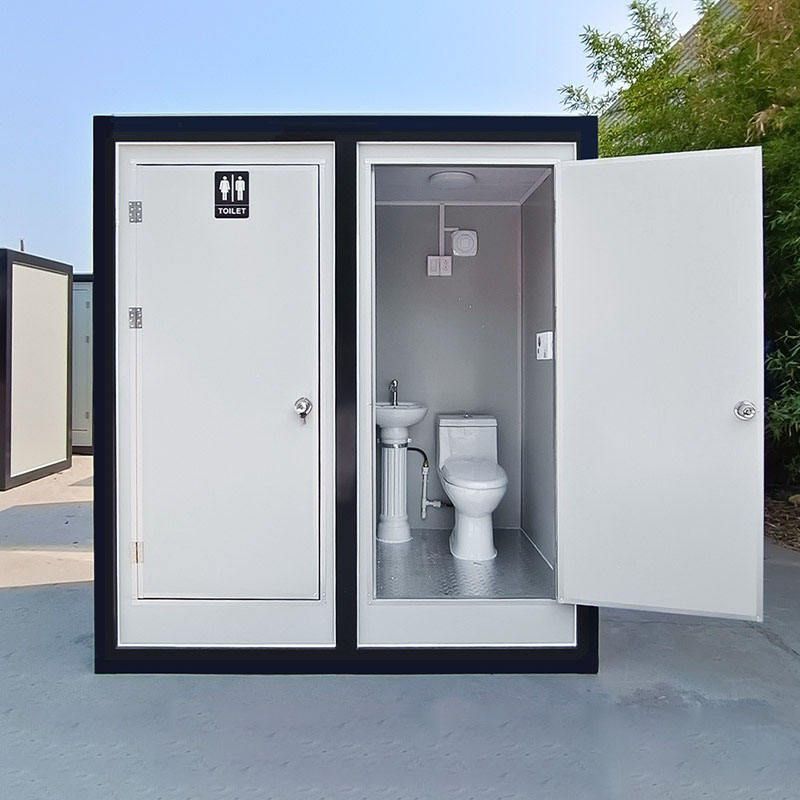
Types and Characteristics
- Packing-box container houses: These use hot-dip galvanized cold-formed steel frames paired with fire-resistant polyurethane sandwich panels, providing thermal insulation and fire resistance. They can be used independently or stacked in multiple layers, suitable for construction site dormitories, office areas, and temporary meeting rooms.
- Light steel frame houses: These employ cold-formed thin-walled light steel frames as the load-bearing structure, with walls filled with insulation materials. The appearance and layout can be flexibly customized, making them ideal for self-built houses, homestays, and scenic area support facilities where personalization is highly required.
- Functional booths and support buildings: Their sizes and internal layouts can be adjusted according to actual needs, commonly seen in security booths, property booths, and environmental public toilets.
Price Range
Prices for mobile container houses vary significantly among different manufacturers and configurations. For example, some simple mobile residential containers may have relatively low prices; while container houses with special designs, high-quality materials, and complete internal facilities, such as luxury prefabricated micro-homes and two-story villa container homestays, will have higher prices, ranging from tens of yuan to tens of thousands of yuan per square meter.
Manufacturing Process
They are usually manufactured in batches using standardized production lines. Core processes include welding of steel frames, prefabrication of wall and roof panels, and pre-embedding of internal water and electricity pipelines. After most processes are completed in the factory, the components are transported to the site for rapid assembly, effectively shortening the construction period, reducing on-site wet work, ensuring component accuracy, and the products can be repeatedly disassembled and reused.
Application Scenarios
They are widely used in temporary housing, construction site offices, cultural and tourism support facilities, etc. On construction sites, they can serve as dormitories and offices; in the cultural and tourism sector, they can be used to create homestays and vacation cottages; they can also function as security booths, property booths, and other functional buildings.



