
Golmud Mobile Dry Toilet
The Golmud mobile dry toilet is an eco-friendly mobile public toilet specifically designed for high-altitude arid regions, achieving a balance between water and energy conservation and ecological friendliness through technologies such as ecological treatment, resource recycling, and high-altitude adaptation.
Ecological Treatment Technology
The Golmud mobile dry toilet employs microbial degradation, high-temperature fermentation, or closed storage technologies to process excreta without relying on external water sources. The microbial degradation unit uses psychrophilic bacteria agents to convert excreta into carbon dioxide, water vapor, and a small amount of stable solid residue in low-temperature environments (maintaining over 60% degradation efficiency at 5°C), with a closed and harmless treatment process. High-temperature fermentation technology accelerates organic matter decomposition by raising the temperature, while closed storage achieves natural dehydration through long-term storage, reducing the final product volume by about 80% and significantly lowering collection and transportation frequency.
Resource Recycling
After treatment, excreta forms a closed microsystem: the solid output has a fecal coliform count of less than 200 MPN/g, meeting forestry fertilizer standards, and can be directly used for vegetation fertilization, reducing the use of chemical fertilizers. The nitrogen and phosphorus conversion rate is increased to 82%, preventing nutrient loss and environmental pollution; methane emissions are reduced by about 76%, mitigating the greenhouse effect. Additionally, the vacuum collection system uses only 15% of the water consumption of traditional toilets per flush, and can utilize approximately 2.3 cubic meters of rainwater and air condensation water annually, further conserving water resources.
High-Altitude Adaptation Design
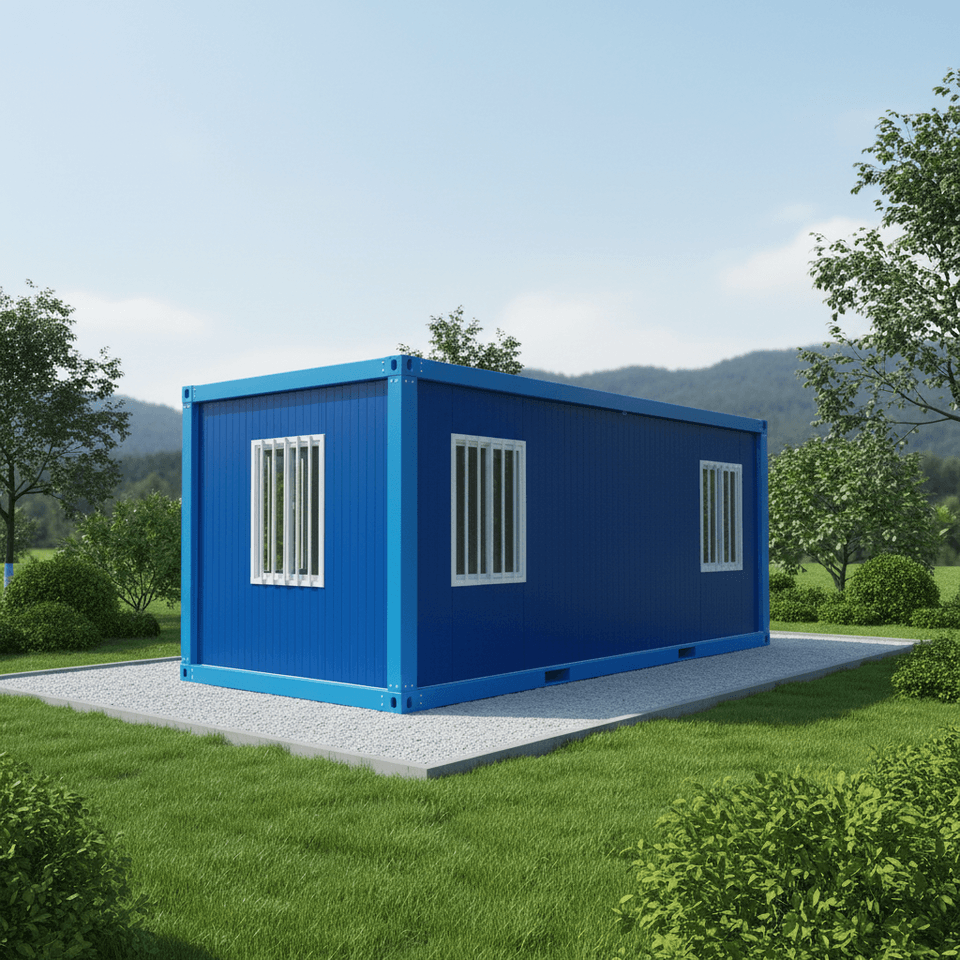
The toilet body is made of polyurethane composite panels with a closed-cell structure to prevent moisture penetration, and an anti-UV coating maintains color stability for about five years; the connections use silicone sealant and EPDM rubber strips for double waterproofing, adapting to temperature differences from -30°C to 70°C. The biological treatment unit is equipped with liquid level sensors and temperature-controlled heating devices to prevent freezing at low temperatures; the photovoltaic thin-film power generation component generates an average of 1.7 kilowatt-hours of electricity per day, with surplus energy stored in lithium iron phosphate batteries, ensuring seven days of operation during continuous rainy weather, completely independent of the municipal power supply.
Modular Maintenance and Monitoring
Core components (such as vacuum generators and biological reactors) use quick-release interfaces, with replacement time controlled within two hours, reducing maintenance costs. The remote monitoring platform transmits 12 parameters in real-time, including body tilt and ammonia concentration, through narrowband IoT, automatically generating maintenance plans for intelligent management. Its mobility allows dynamic adjustment of position based on foot traffic or environmental protection needs, reducing ecological disturbance to sensitive areas.



