
How to Choose Mobile Toilets in Gansu
When selecting mobile toilets in Gansu, it is essential to focus on six core aspects: material and structural craftsmanship, odor and slip resistance, after-sales customization, environmental adaptability, intelligent management, and ecological cycling. Evaluate these aspects comprehensively based on specific scenario requirements.
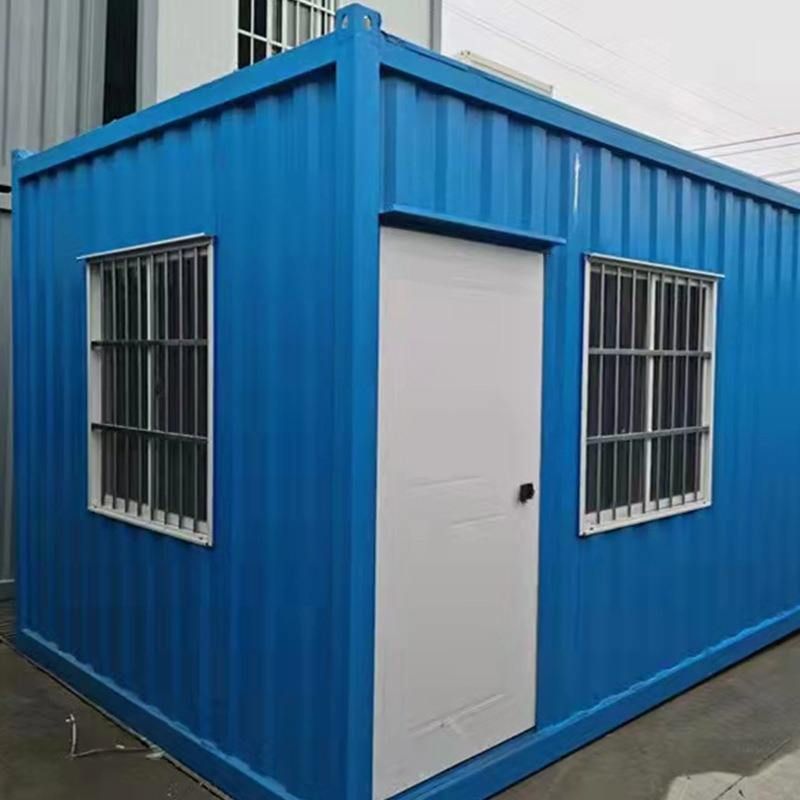
1. Material and Structural Craftsmanship
Prioritize materials that are corrosion-resistant and easy to clean, such as 304 stainless steel (suitable for long-term use and high hygiene standards, albeit at a higher cost) or fiberglass (waterproof and moisture-resistant, offering good cost-effectiveness but slightly weaker impact resistance). Avoid using metal sandwich panels (e.g., color steel foam panels), which have poor corrosion resistance, are prone to rust, and are difficult to clean. Focus on examining material thickness, welding techniques, and surface treatments (e.g., anti-rust coatings) to ensure structural stability and durability.
2. Odor and Slip Resistance Design
For odor control, pay attention to ventilation systems (exhaust fans, vents), sewage disposal methods (water flush, foam, or packing systems for their odor treatment capabilities), and internal sealing (e.g., the connection between the squat toilet and sewage pipes). For example, foam toilets use foam to cover feces and block odors but require electricity; water flush toilets offer excellent cleaning but require a water supply and sewage connection. Slip resistance design should ensure the floor uses anti-slip panels or mats and controls the slope to prevent water accumulation.
3. After-sales and Customization Capabilities
Choose manufacturers that offer nationwide warranty, door-to-door delivery, and rapid after-sales response. Clearly inquire whether they support 24-hour after-sales response, spare parts inventory support, and whether they can customize product dimensions, colors, and functions based on on-site conditions (e.g., water and power supply, sewage disposal). For example, cold regions may require freeze-resistant products, while scenic areas may need designs that harmonize with the environment.
4. Environmental Adaptability
In high-altitude or extreme climate areas in Gansu (e.g., cold and oxygen-deficient scenic spots), select products with freeze resistance and UV resistance to ensure stable operation in environments ranging from -20℃ to 40℃. For example, using intelligent freeze prevention technology and multi-source data-coordinated degradation tanks can maintain microbial activity and prevent equipment failure due to low temperatures.
5. Intelligent Management Capabilities
Prioritize products with remote monitoring and data analysis functions, such as those that use 5G, AI, and edge computing to dynamically adjust microbial activity, monitor foot traffic, energy consumption, and equipment failures in real-time, and achieve warning response times of less than 30 minutes. This helps reduce manual inspection costs and improve management efficiency.
6. Ecological Cycling Value
In water-scarce or sewer-less areas (e.g., some scenic spots in Gansu), choose products with waterless biological degradation technology (e.g., microbial degradation toilets), which can convert feces into organic fertilizer on-site, saving over 3,000 tons of water annually and reducing operation and maintenance costs by about 40%, balancing environmental protection and economic benefits.



