
Introduction to Fujian Mobile Smart Toilets
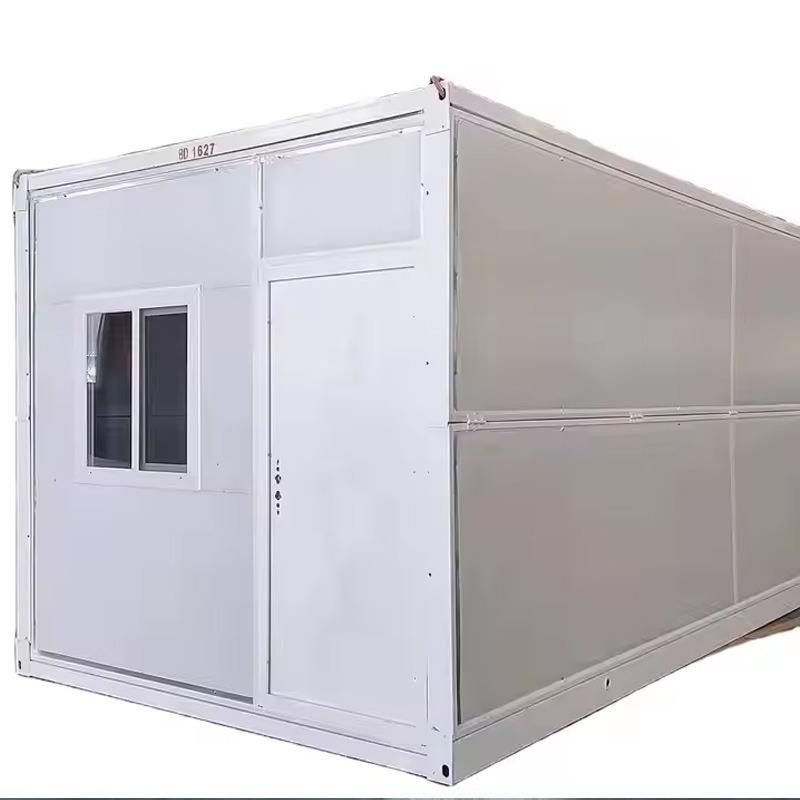
Fujian mobile smart toilets are a new type of mobile convenience facility in the Fujian region, integrating intelligence, environmental protection, energy efficiency, and convenience to upgrade urban public health services.
1. Intelligent Management Enhances Hygiene Level
Fujian mobile toilets are equipped with an intelligent management system that integrates automatic cleaning, disinfection, and ventilation functions. Through sensors that monitor environmental data in real-time, the system can initiate cleaning procedures at scheduled intervals to ensure internal hygiene. The disinfection module uses ultraviolet or spray technology to effectively kill bacteria, while the ventilation system maintains air circulation through air exchange equipment, reducing the accumulation of odors. These functions collectively safeguard the health and safety of users, especially in crowded public places.
2. QR Code Payment and Countdown Function Optimize Experience
Some public toilets adopt a QR code payment model, where users scan a code and their mobile interface displays options to 'Open' and 'End Order'. During use, the screen displays a real-time countdown, with options to renew the fee upon timeout or end the order early. This design regulates usage duration, prevents resource occupation, and enhances management efficiency through transparent billing. However, it should be noted that some users have reported that the countdown may create a sense of psychological pressure, and high fees have sparked controversy, highlighting the need to balance convenience with user experience.
3. Environmentally Friendly and Energy-Efficient Technologies Reduce Resource Consumption
The toilets employ various environmentally friendly technologies: the microbial degradation type breaks down waste through microorganisms, eliminating the need for flushing; the vacuum suction type uses negative pressure to reduce water consumption; the recycled water flushing type filters and reuses wastewater; and the dry packing type directly packages waste for centralized disposal. These technologies significantly conserve water resources, reduce sewage discharge, align with green development principles, and are particularly suitable for water-scarce regions or ecologically sensitive settings.
4. High Mobility Adapts to Diverse Scenarios
The toilet bodies are made of lightweight materials, allowing for quick disassembly and assembly, facilitating transportation to different locations. This feature enables flexible deployment in temporary events, tourist attractions, remote areas, etc., effectively addressing the insufficient coverage of fixed public toilets and enhancing the flexibility of urban public health services.
5. Contributing to the 'Toilet Revolution' and Social Response
Fujian mobile toilets represent an important practice of the 'Toilet Revolution', addressing the challenge of finding restrooms in public places through technological upgrades, enhancing urban image, and promoting tourism development. However, their time-based charging model has sparked social discussion, necessitating further optimization of pricing strategies and user experience design to achieve the inclusivity and sustainability of public services.



