
Demolition of First-Floor Prefabricated Panel Houses
The demolition of first-floor prefabricated panel houses requires a comprehensive assessment of safety risks, planning requirements, and strict adherence to demolition regulations and compensation policies. The key points are as follows:
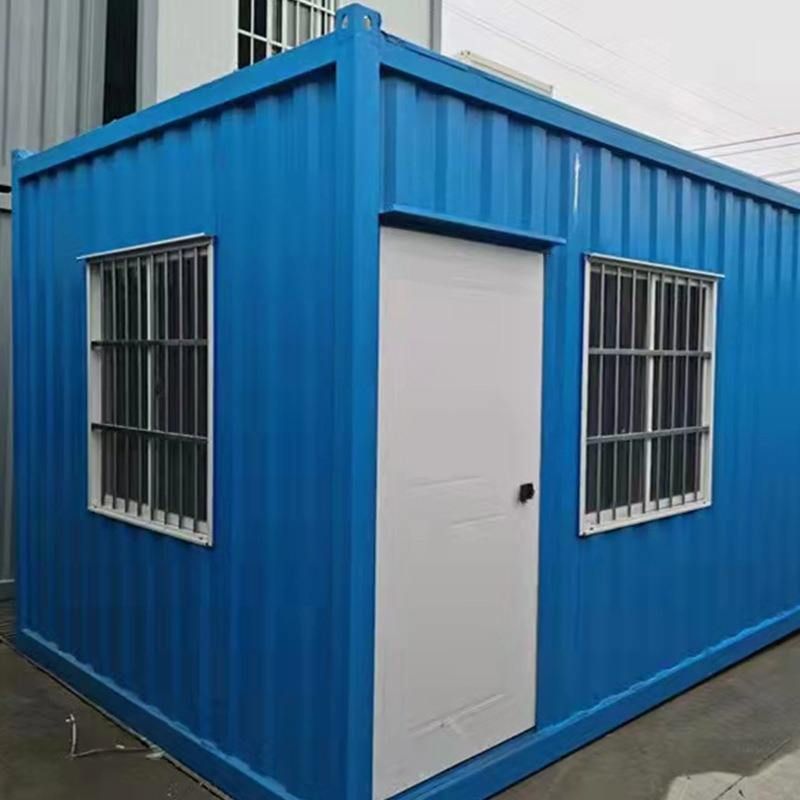
I. Determination of Demolition Scope
Not all prefabricated panel houses need to be demolished; they must meet one of the following conditions:
- Safety hazard identification: Professionally certified as D-grade dilapidated houses (overall danger requiring demolition and reconstruction), or structural issues such as foundation settlement exceeding 5 centimeters, cracks in load-bearing walls wider than 1 millimeter, or seismic resistance below 70% of current standards.
- Planning requirements: The house has been included in urban renewal or demolition planning areas and must cooperate with regional renovation or land reuse.
II. Pre-Demolition Preparations
- Safety assessment: Commission a professional team to evaluate the structural stability of the house, confirm demolition feasibility, and identify risk points.
- Site isolation: Cut off water, electricity, and gas supplies, set up iron sheet fences, and hang warning signs reading "Construction Site" to prevent unauthorized access.
- Personnel protection: Workers must wear safety helmets and harnesses; in dusty conditions, gas masks should be added to prevent inhalation of construction debris.
III. Key Points During Demolition
- Demolition sequence: Must proceed from top to bottom, prioritizing the removal of non-load-bearing structures such as partition walls and doors/windows, and finally handling load-bearing components like floor slabs and beams.
- Prefabricated panel handling: Use steel frames to support prefabricated panels to prevent sudden collapse during demolition and ensure safety in the area below.
- Structural protection: If the house is connected to surrounding buildings, protective measures must be taken to avoid collateral damage.
IV. Post-Demolition Handling
Construction waste must be sorted and cleaned up, transported to designated locations using covered trucks to prevent dust pollution or indiscriminate dumping.
V. Compensation Methods
If demolition involves compensation, the following options are available:
- Monetary compensation: Not less than 110% of the market price of surrounding commercial housing, calculated by a third-party appraisal company, covering second-hand housing prices, house value, decoration compensation, moving expenses, transitional rental fees, and early signing bonuses.
- Property exchange: Provide in-situ relocation or off-site resettlement housing, with area differences settled by mutual compensation.
- Housing voucher settlement: Issue housing purchase vouchers redeemable for commercial housing in designated areas; this policy is being gradually implemented.
Tip: Before demolition, confirm whether the house meets demolition conditions and familiarize yourself with local compensation policies in advance to safeguard your rights.



