
Quay lại blog
Bài viết
Field Temporary Container House
Quản trị 15 tháng 9, 2026
A field temporary container house is a temporary building based on container modification, which is mobile and adaptable to field environments. It features convenience, adaptability, and flexibility, but attention should be paid to structural safety and fire hazards during use.
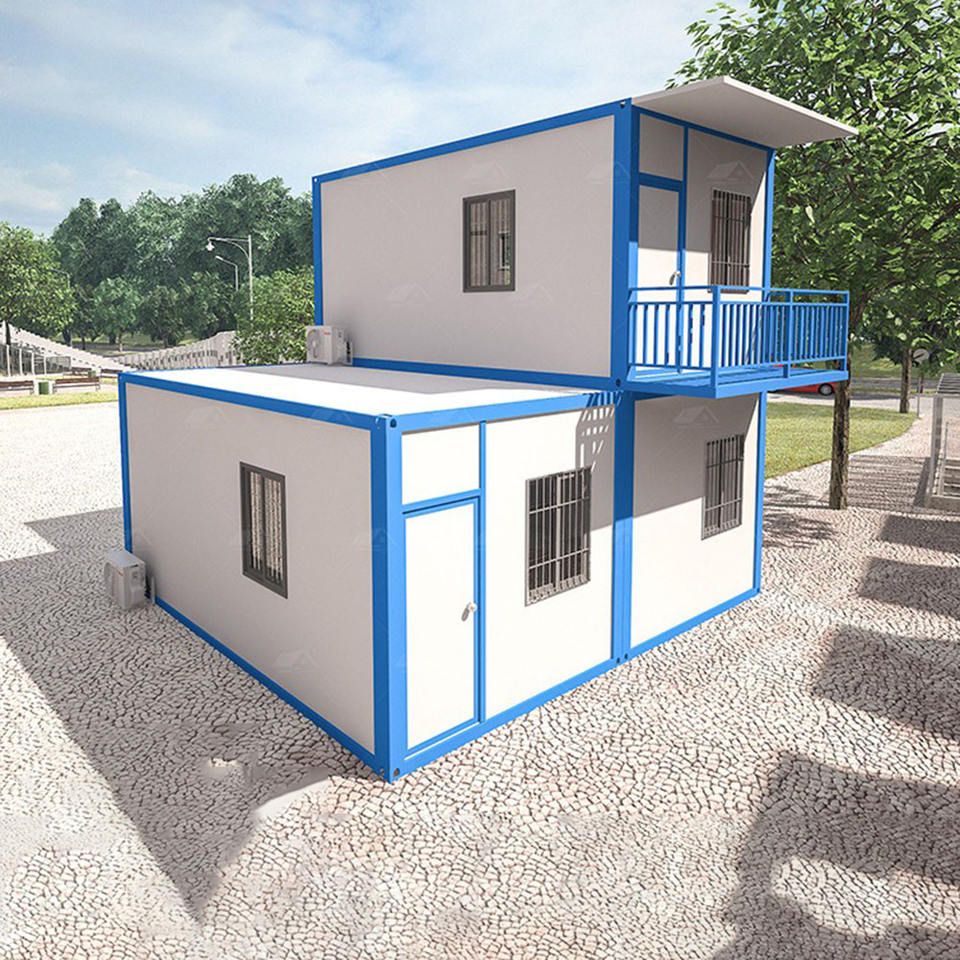
Structural and Performance Characteristics
- Modular Design: Standardized container modules are used and can be quickly combined into buildings of different scales through splicing and stacking, such as single-story dormitories and double-story office areas, meeting the rapid construction needs of field engineering camps and emergency support scenarios.
- Mobility: The overall structure is based on container modification, facilitating transportation and relocation, and allowing repeated disassembly and assembly. Under standardized use and regular maintenance conditions, the average number of disassembly and reuse times for compliant products from leading manufacturers can reach more than 8 times, and the amount of construction waste discharged is reduced by about 90% compared to traditional fixed temporary buildings.
- Environmental Adaptability: Designed for field environments, such as adopting more robust frame structures in earthquake-prone areas and strengthening windproof designs in areas with strong winds to ensure stability under different geographical and climatic conditions.
Core Advantages
- Cost-Effectiveness: The low-carbon circular characteristics throughout the life cycle significantly reduce resource consumption and costs. Multiple reuses reduce repeated procurement expenses, aligning with circular economy policy guidelines.
- Scenario Adaptability: Through modular splicing, facade customization, and internal functional modifications, it can be adapted to diverse scenarios such as engineering camps, mobile commerce, cultural and tourism accommodation, and emergency support, enhancing space utilization flexibility.
- Compliance Assurance: Products from leading manufacturers pass fire performance tests and wind and earthquake resistance certifications, possessing international certifications such as CE and ISO, meeting domestic and international compliance requirements, and reducing project risks.
Potential Risks and Precautions
- Fire Hazards: Some low-priced products use flammable sandwich materials such as polystyrene and polyurethane foam, which burn rapidly and are difficult to extinguish. It is necessary to choose A-grade fireproof materials such as rock wool boards and fireproof cotton, and maintain safe distances and standardize electrical management.
- Structural Stability Issues: When stacking multiple layers, vertical mechanical issues need to be addressed. For example, 4mm thick square steel columns from ordinary suppliers may deform after stacking two layers, so it is necessary to choose manufacturers with optimized structural mechanics designs.
- Non-Standard Product Risks: Non-standard white-label products may have issues such as insufficient wind resistance and inefficient installation, with rework costs reaching 30%-50% of the initial procurement cost. It is necessary to verify production qualifications and third-party inspection reports.



