
Ferrari Container House
Ferrari has not directly entered the field of container houses; they belong to different industries and currently have no direct connection. The following is an analysis of the technical characteristics, application scenarios, and industry trends of container houses:
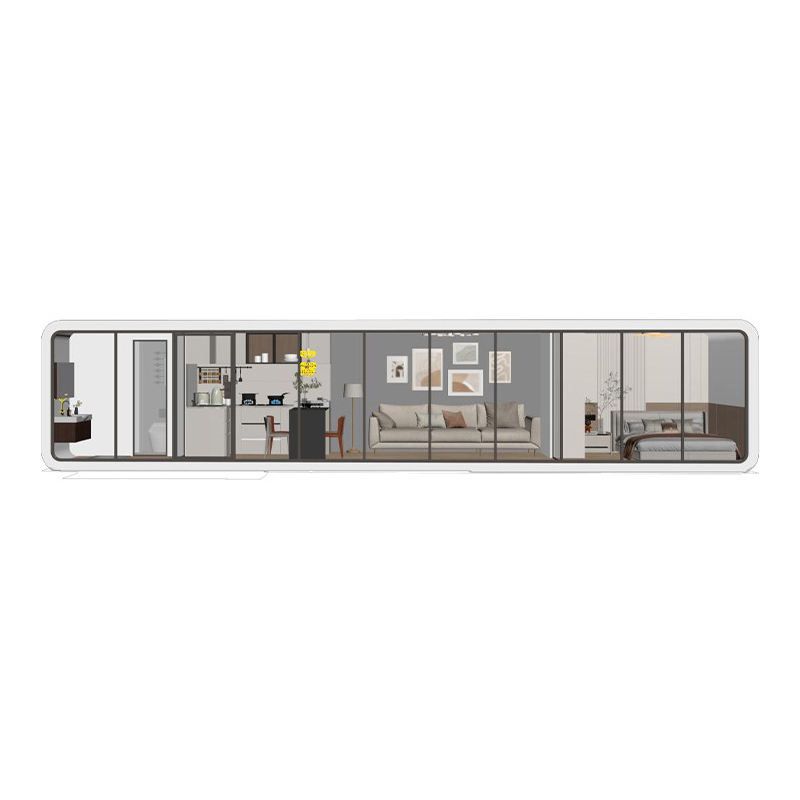
Technical Characteristics of Container Houses
Container houses use discarded shipping containers as basic units and achieve rapid assembly through modular design. Their core advantages lie in standardized structures and scalability: A single container typically measures 20 feet or 40 feet in size and can be stacked or joined to form multi-story or multi-unit buildings. For example, the Drivelines Studios residential building in Johannesburg, South Africa, is constructed from 140 containers to create a 7-story structure with residential areas ranging from 30㎡ to 55㎡. Additionally, container houses employ lightweight steel structures, providing earthquake, wind, and fire resistance capabilities, as demonstrated by cases such as container schools built after the Wenchuan earthquake.
Application Scenarios of Container Houses
- Temporary Buildings: Container houses can be rapidly deployed in disaster relief and construction site office scenarios. For instance, the packed container houses provided by Falilai were used to build temporary medical facilities during the pandemic. Their "easy-to-assemble" feature (prefabricated components in factories and simple installation on-site) significantly shortened construction time.
- Commercial Spaces: The industrial aesthetic and versatility of containers make them ideal for trendy commercial applications. The BOXPARK shopping center in London is transformed from over 60 containers, offering a unique interior that attracts many young consumers. Brands like Microsoft and Nestlé have also used pop-up container showrooms for product marketing.
- Residences and Hotels: Through insulation and soundproofing modifications, container houses can meet long-term living requirements. The "Xiangxiangxiang Prayer Village" container hotel in Changzhi County, Shanxi, features insulation and low-carbon energy efficiency. The Caterpillar House in the Andes Mountains of Chile utilizes five 40-foot and six 20-foot containers to create a 350㎡ residence, reducing reliance on cooling equipment through natural ventilation design.
Industry Trends and Challenges
The container house industry is moving towards green and creative development. On one hand, reusing discarded containers reduces carbon emissions, aligning with sustainable building principles. On the other hand, designers are exploring more造型 (造型 here can be translated as "design forms" or "shapes") possibilities by cutting and reorganizing containers, such as Vanke's bionic container building mimicking termite mounds and pop-up showrooms with fully automatic sidewall deployment. However, the industry still faces challenges like lack of standardization and limited market awareness, requiring technological innovation and case promotion to further expand application boundaries.



