
Quay lại blog
Bài viết
Fecal Mobile Toilet
Quản trị 21 tháng 9, 2026
Fecal mobile toilets are portable sanitation facilities suitable for various locations and can be classified based on material, mobility method, sewage treatment approach, and user group.
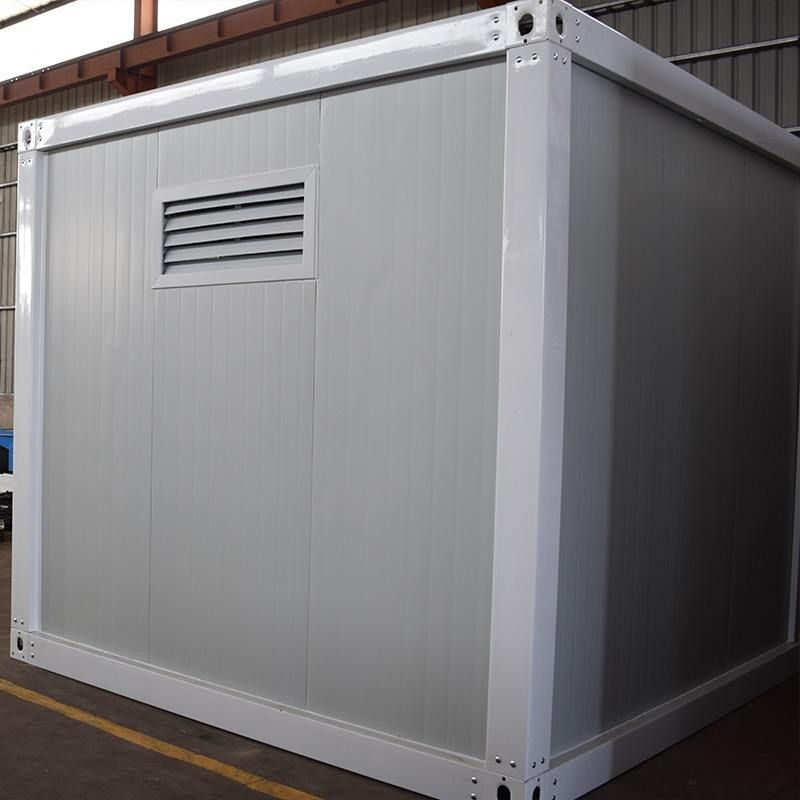
Classification by Material:
- Plastic Toilets: Made primarily of lightweight plastic, these toilets are characterized by their low weight and cost, making them suitable for temporary use at construction sites or short-term event venues. Their simple structure allows for quick installation and disassembly, but their durability is relatively weak, and long-term outdoor exposure may affect their lifespan due to aging.
- Color-Steel Toilets: Constructed with colored steel plates, these toilets offer thermal and sound insulation and are commonly found in public areas such as parks and streets. Their neat appearance blends well with urban environments, and they have strong wind resistance, making them suitable for long-term fixed use.
- Fiberglass Toilets: Manufactured through an integrated molding process, these toilets are impact-resistant and corrosion-resistant, suitable for extreme environments like disaster relief operations. Their excellent sealing prevents odor leakage, but their transportation costs are high, typically used in scenarios with strict sanitation requirements.
Classification by Mobility Method:
- Hoisting Type: These toilets rely on cranes for transportation and require pre-planned fixed positions, suitable for long-term deployment at stations, docks, and other locations. Their advantage lies in strong stability, but they have low flexibility and high relocation costs.
- Trailer Type: Equipped with wheels at the bottom, these toilets can be towed by vehicles and are commonly seen at large events like music festivals and sports competitions. Their easy installation allows for quick response to temporary needs, but sufficient moving space must be reserved.
Classification by Sewage Treatment Method:
- Waterless Packaging Type: Using a sealing technology similar to diapers, excreta is directly packaged in biodegradable bags, suitable for water-scarce areas like desert camping and remote mountainous regions. They do not require sewage pipes but require regular replacement of packaging bags, resulting in higher maintenance costs.
- Traditional Water Flushing Type: These toilets are flushed by connecting to sewage pipes and are suitable for locations with sufficient water supply and sewage systems, such as tourist attractions and squares. They offer good sanitation conditions but rely on infrastructure, limiting their flexibility.
- Foam Sealing Type: These toilets use foam to cover the excreta surface to suppress odors, conserving water and being environmentally friendly, suitable for areas with high environmental requirements like scenic spots and ecological parks. Their operating costs are low, but foam liquid needs to be replenished regularly.
- Microbial Degradation Type: These toilets convert excreta into fertilizer through microbial decomposition, achieving resource recycling, commonly found in ecological parks and farms. They are highly environmentally friendly, but their degradation efficiency is affected by temperature and humidity, requiring professional maintenance.
Design for Specific User Groups: Some mobile toilets are equipped with accessibility signs, handrails, and sit-down toilets to facilitate use by the elderly and disabled, reflecting a human-centered design philosophy. These facilities are usually deployed around nursing homes, hospitals, or public event areas to enhance social inclusivity.



