
Factory-Prefabricated Modular Housing
Factory-prefabricated modular housing is a type of building constructed using standardized design, factory-based production, and on-site assembly methods. It offers advantages such as short construction periods, good earthquake resistance, environmental friendliness, and controllable quality, making it widely applicable in various scenarios.
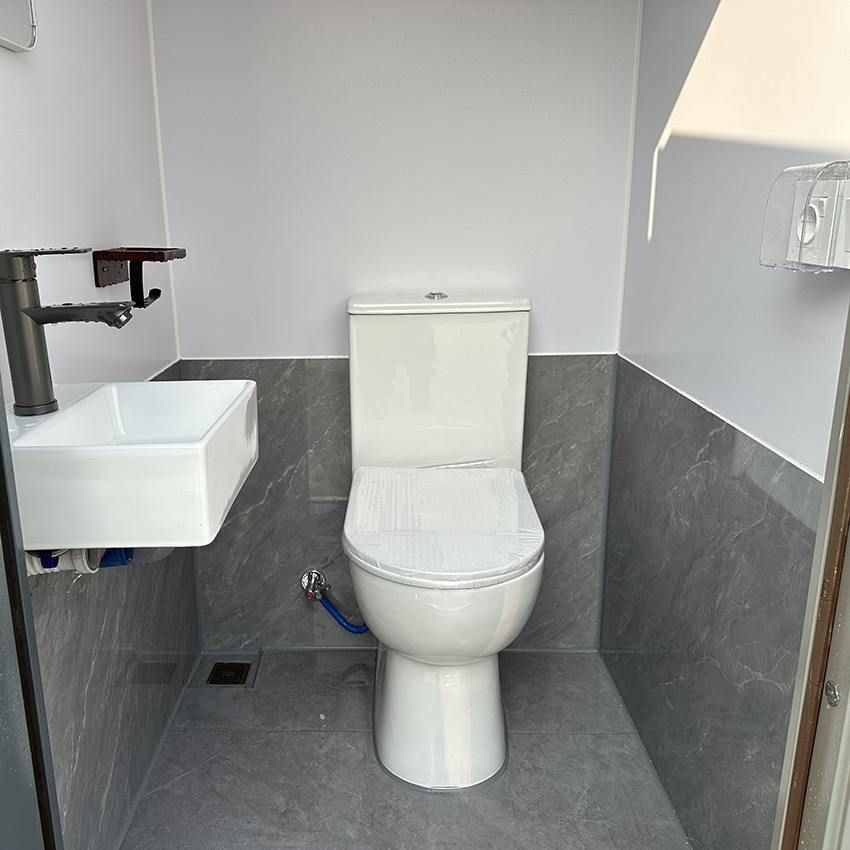
Core Features and Construction Methods
Factory-prefabricated modular housing is created by prefabricating standardized spatial modules in factories and then transporting and assembling them on-site. Its core features are the "three standardizations": standardized design ensures module uniformity; factory-based production utilizes automated production lines and vertical warehouses for parallel operations; and on-site assembly shortens construction cycles through rapid assembly. For example, a public housing project that would typically take 2.5 to 3 years to complete with traditional construction methods can have its construction period reduced to just 1 year using modular technology, with a 50% reduction in on-site labor requirements.
Significant Advantages
- Superior Earthquake Resistance: The modular structure enhances earthquake resistance through integrated design, making it suitable for earthquake-prone areas.
- Green and Environmentally Friendly: It reduces construction waste by approximately 80% and incorporates energy-saving technologies such as photovoltaic curtain walls to achieve low-carbon construction.
- Precise Quality Control: Each module comes with an "ID card" recording production information, with millimeter-level error control to ensure stable quality.
- Flexible Maintenance: Some modules can be relocated or reused in their entirety, reducing long-term maintenance costs.
- Significant Cost-Effectiveness: Material waste is reduced by 30%, weather impacts are avoided, and overall costs are lowered by 20%.
Application Scenarios and Market Prospects
Modular buildings have been widely applied in residential, school, hospital, and other fields. The public housing project at Dinghuisi North Plot in Haidian District, Beijing, is the city's first concrete modular project, while a public housing project in Shenzhen, Guangdong, was assembled from 6,028 modules, demonstrating the technical feasibility of modular construction. At the policy level, cities such as Guangzhou and Shenzhen have introduced supportive policies to promote its application. According to predictions, the global modular building market size will exceed $142.8 billion by 2030, indicating its vast development potential.



