
Everything You Need to Know About Portable Toilet Smart Eco-Friendly
Smart eco-friendly portable toilets are innovative sanitation facilities that integrate efficient design, advanced waste treatment, resource conservation, and health monitoring. They are suitable for outdoor events, construction sites, and emergency scenarios, reducing ecological footprints through a circular economy model.
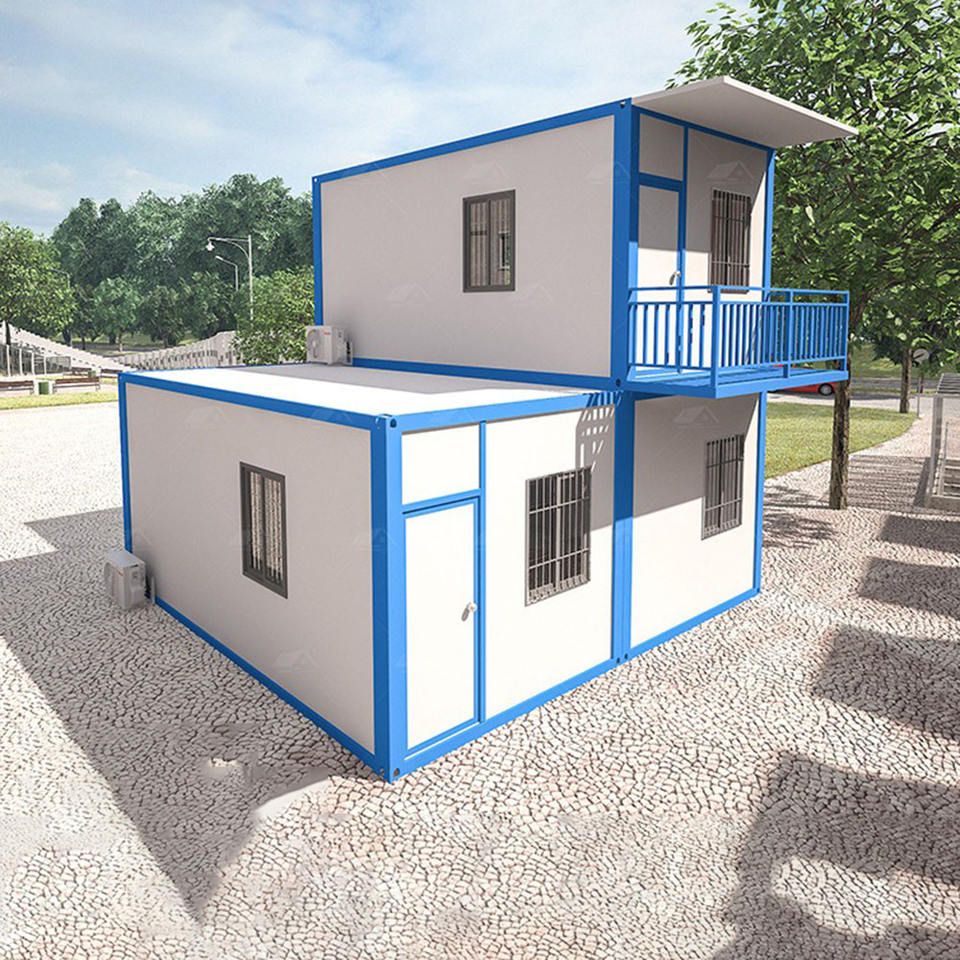
1. Design and Mobility
Smart eco-friendly portable toilets feature a modular structure with a main frame made of lightweight alloys and composite materials, balancing strength and lightweight properties for quick assembly and disassembly. Equipped with dual-axle wheels and trailer hitches, they can be towed by vehicles to adapt to various terrain requirements. Some premium models support folding designs, further reducing transport volume and enhancing deployment flexibility.
2. Waste Treatment Technology
The core innovation lies in the integrated biodegradation system, which converts excreta into organic fertilizer or biogas through microbial decomposition, enabling resource recycling. Some models employ physical-chemical separation or membrane filtration technologies to efficiently remove pollutants and ensure compliant discharge. For example, biological digesters can separate solid waste for composting, while treated liquid meets irrigation standards, reducing reliance on traditional sewage treatment plants.
3. Water and Energy Efficiency
Using vacuum or foam flushing technology, single-flush water consumption can be as low as 0.2 liters, saving over 90% of water compared to traditional toilets. Some models are equipped with solar panels and energy storage batteries to power lighting, ventilation, and treatment systems, supporting off-grid operation for weeks. Hybrid energy systems (e.g., solar + wind) further enhance energy independence, suitable for areas without grid coverage.
4. Health Monitoring Functions
AI sensors embedded in the seats can identify user identities with 90% accuracy, analyzing urine and excreta composition through cameras and deep learning algorithms, with data uploaded to the cloud in real-time. Users can access health reports via mobile devices, including metabolic indicators and potential disease risks, providing data support for public health management.
5. Sustainable Design
Material selection prioritizes environmental protection and durability, such as recycled metals, biodegradable plastics, and anti-corrosion composites, extending service life and reducing maintenance costs. Nutrient elements like nitrogen and phosphorus extracted from waste can be recycled as soil amendments, achieving a closed-loop “waste-to-resource” system. Sealed sewage tanks with curing agents prevent leakage during transport, while UV disinfection systems reduce microbial contamination risks.
6. User Experience Optimization
Equipped with ergonomic seats, temperature control systems, and air circulation devices, combined with photocatalytic oxidation technology to eliminate odors, enhancing user comfort. Accessible designs include ramp entrances and spacious interiors to accommodate wheelchair users. IoT sensors monitor usage frequency, consumable levels, and equipment status in real-time, supporting predictive maintenance and reducing operational costs.
7. Environmental and Social Value
By adopting decentralized treatment, they reduce pressure on municipal infrastructure, lowering water consumption and soil damage, particularly suitable for water-scarce areas or temporary settlements. Their circular economy model promotes a transition from “linear consumption” to “resource regeneration” in sanitation facilities, offering scalable solutions for regions without traditional toilets globally.



