
Everything You Need to Know About Portable Toilet Anti-Corrosion
The anti-corrosion of portable toilets is mainly achieved through material selection, technical characteristics, and design optimization, with the core being the use of materials resistant to environmental degradation and avoiding the risk of metal corrosion.
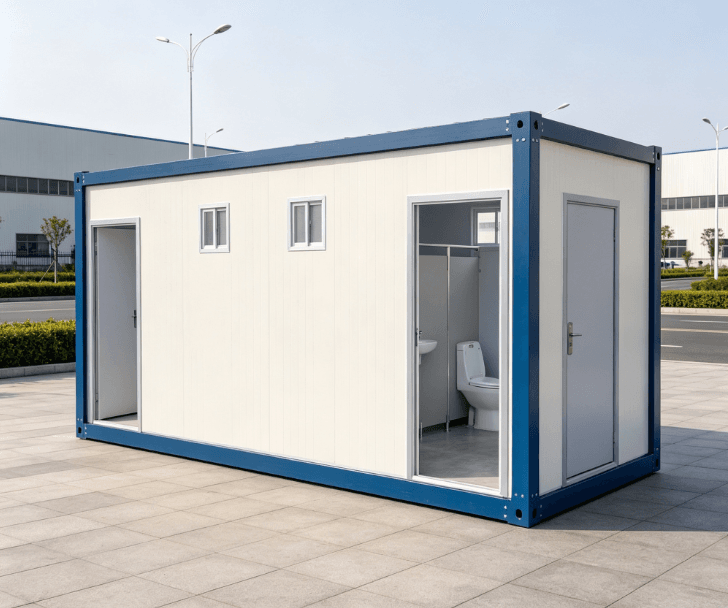
Material Selection: Primarily Weather-Resistant Plastics
Portable toilets used outdoors commonly employ high-density polyethylene (HDPE) and engineering plastics as the main materials. These materials offer significant anti-corrosion advantages:
- Strong chemical stability: The tightly packed molecular structure of HDPE provides a natural barrier against common corrosive substances such as acids, alkalis, and salts, making it less prone to chemical reactions that could degrade the material.
- Resistance to UV aging: By adding UV-resistant additives, a protective layer can be formed on the plastic surface, reducing molecular chain breakage caused by ultraviolet light and preventing material embrittlement or cracking, thereby indirectly enhancing anti-corrosion capabilities.
- No risk of metal rust: Unlike traditional metal-structured toilets, plastic materials fundamentally eliminate the conditions for electrochemical corrosion, ensuring they will not rust even when exposed to humid environments for extended periods.
Technical Characteristics: Synergy of Lightweight and Weather Resistance
The application of plastics and HDPE not only gives portable toilets lightweight characteristics (facilitating transportation and installation) but also strengthens anti-corrosion performance through the following technical pathways:
- Hydrophobic surface: The low surface energy of plastic materials makes it difficult for water to adhere, reducing the contact time between corrosive media (such as rainwater and sewage) and the material.
- Resistance to environmental degradation: HDPE has a wide temperature resistance range (-50°C to 80°C), enabling it to withstand thermal expansion and contraction under extreme weather conditions, avoiding seal failure or structural cracks caused by material deformation, and thus reducing the risk of corrosive media infiltration.
Design Optimization: Modular Structure Reduces Corrosion Risks
Although the compact modular design of portable toilets does not directly mention anti-corrosion coatings, it indirectly supports anti-corrosion goals through the following means:
- Reduced use of metal components: The overall structure is primarily made of plastic, with only a small amount of stainless steel or galvanized metal parts used at necessary connection points, and the corrosive environment is isolated through sealed designs.
- Easy-to-clean characteristics: The smooth plastic surface facilitates regular rinsing and disinfection, preventing the accumulation of dirt that could trigger localized corrosion. Additionally, the modular design allows for quick disassembly and replacement of damaged parts, extending the overall service life.
Summary: The anti-corrosion system of portable toilets is based on materials science, achieving efficient anti-corrosion without additional coatings through the chemical stability and environmental aging resistance of HDPE and plastics, combined with lightweight and modular designs, making them particularly suitable for long-term outdoor use.



