
Event Portable Toilet Production
The production of event portable toilets needs to be comprehensively designed by combining event requirements and technical characteristics, covering aspects such as materials, design, technology, environmental protection, and intelligence.
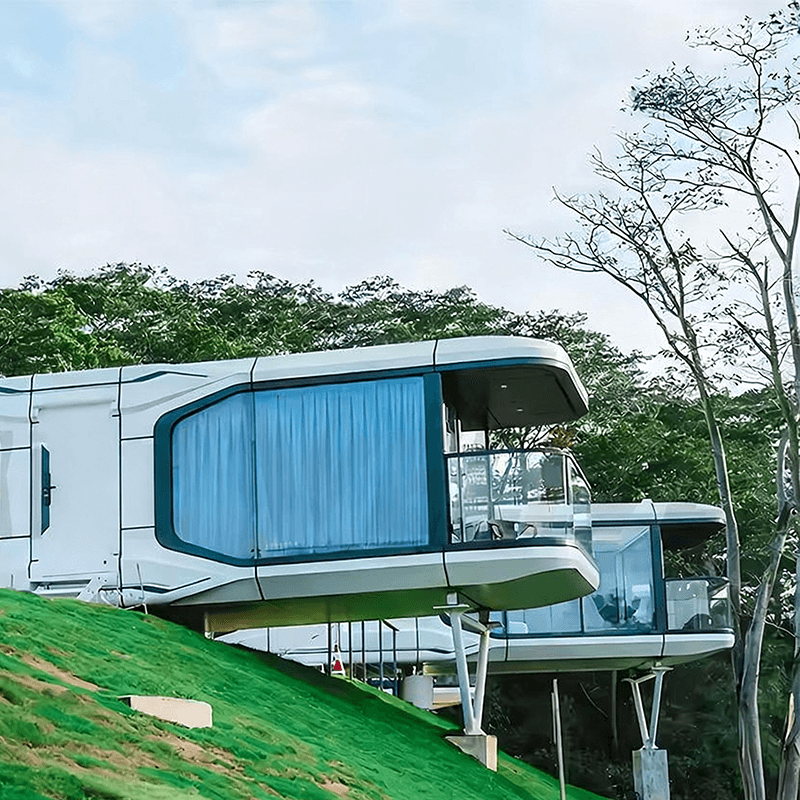
Material Selection: Event portable toilets need to have the ability for rapid deployment and adapt to outdoor environments, so they often use lightweight and high-strength composite materials. These materials are wind-resistant, rain-resistant, and corrosion-resistant, enabling them to withstand harsh weather conditions that may occur during events. At the same time, they are easy to quickly assemble or transport, meeting the temporary needs of events.
Interior Design: Ventilation and deodorization are core requirements. Basic equipment such as automatic flushing systems and foot-operated hand-washing stations should be equipped to reduce manual operations and the risk of cross-infection. Some high-end models also integrate biological degradation treatment units that can convert excrement into organic fertilizer, reducing the frequency of waste removal. In addition, the application of solar lighting and ventilation fans further enhances energy self-sufficiency, making them especially suitable for long-term outdoor use scenarios.
Technical Characteristics: Vacuum suction and waterless technologies are key innovations. Through microbial degradation technology, excrement can be converted into organic fertilizer, significantly reducing the need for waste removal. Negative pressure drainage technology uses air instead of water to remove waste, with water consumption being only 5%-10% of that of traditional flush toilets, resulting in significant water savings[4]^.
Environmental Protection and Sustainability: The leasing model has become mainstream. Event organizers pay per use, and after the event, professional companies take over for recycling and maintenance, forming a closed-loop service chain and avoiding resource waste. In addition, the introduction of rainwater collection systems further reduces water consumption, aligning with the concept of green events[4]^.
Intelligent Development: Sensor technology can monitor the occupancy status of toilet stalls, the remaining amount of toilet paper, and odor concentration in real-time, with the data synchronized to the event command center or mobile apps, improving management efficiency. In the future, combined with 5G and edge computing technologies, portable toilets may be able to automatically schedule cleaning robots for real-time maintenance, further reducing manual intervention.



