
Environmentally Friendly Mobile Toilet Production Line
The environmentally friendly mobile toilet production line is a standardized production system that integrates design, processing, assembly, and testing, achieving efficient and environmentally friendly product manufacturing through modular processes.
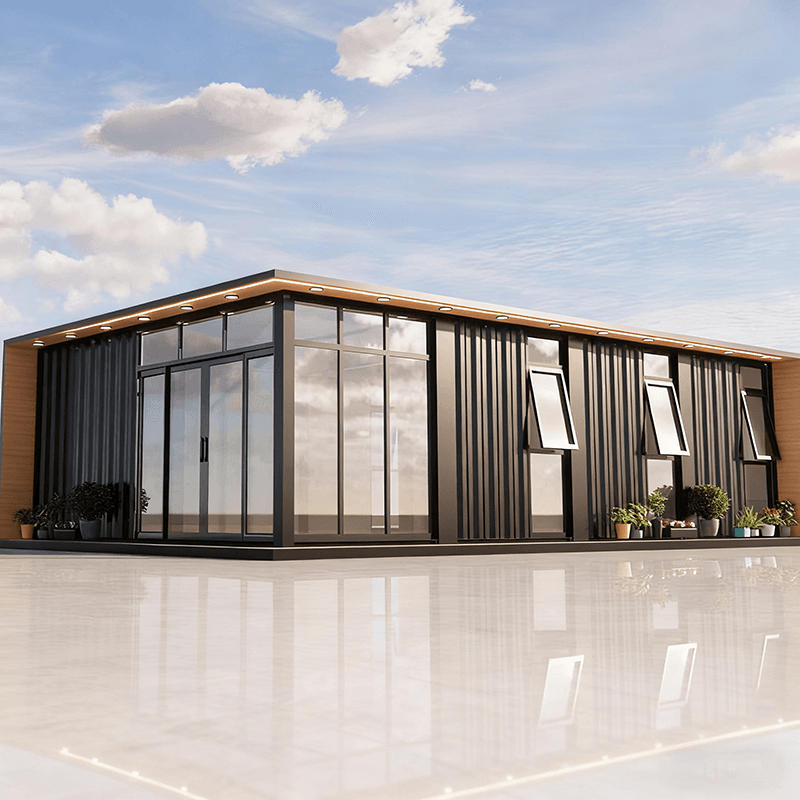
1. Production Line Configuration and Scale
The configurations of production lines vary among enterprises, but all focus on enhancing production efficiency and product competitiveness. For example, Guangzhou Kening Environmental Protection Technology Co., Ltd. has multiple production lines capable of producing over ten different designs of mobile toilets to meet diverse market demands. Henan Xujia Environmental Protection Technology Co., Ltd. has established a full-process production line from mold opening, cutting, stamping to welding, reducing production costs through vertical integration and strengthening market advantages.
2. Standardized Manufacturing Process
Structural Design Phase
Utilize computer-aided design (CAD) software for 3D modeling to plan the toilet's dimensions, internal layout (such as squatting positions, sinks, and fecal storage tank locations), and load-bearing structure. The design must balance environmental friendliness (e.g., using lightweight materials to reduce transportation energy consumption) with practicality (e.g., non-slip floors, ventilation systems) while adhering to ergonomic standards.Material Processing and Forming
- Metal Components: Cut steel plates with shearing machines, form door frames, brackets, and other structural parts using stamping machines, and then assemble them into frames through welding. Some enterprises adopt laser cutting technology to improve precision and reduce material waste.
- Plastic Components: Produce toilet bowls, water tanks, and other parts through injection molding, achieving a balance between lightweight design and durability by optimizing mold design.
- Application of Environmentally Friendly Materials: Prioritize the use of recyclable metals, biodegradable plastics, or bamboo fiber composites to reduce environmental impact throughout the product lifecycle.
Modular Assembly and Testing
- Assembly Process: Quickly assemble prefabricated wall panels, floor panels, roof panels, and internal fittings (such as waterless flush toilets, solar power systems) to form independent modules. Modular design facilitates transportation to remote areas and supports rapid on-site installation.
- Quality Inspection: Includes waterproof testing (simulating rainstorm conditions to check sealing), electrical system safety checks (such as leakage protection devices), and visual defect inspections to ensure products meet environmental and safety standards.
3. Technological Advantages and Environmental Value
The production line reduces on-site construction time and labor costs through modular design; standardized processes ensure product consistency and enhance user experience. Meanwhile, the use of environmentally friendly materials and energy-saving technologies (such as solar lighting and rainwater harvesting systems) further reduces resource consumption during the mobile toilet's usage phase, aligning with sustainable development principles.



