
Engineering Mobile Toilet
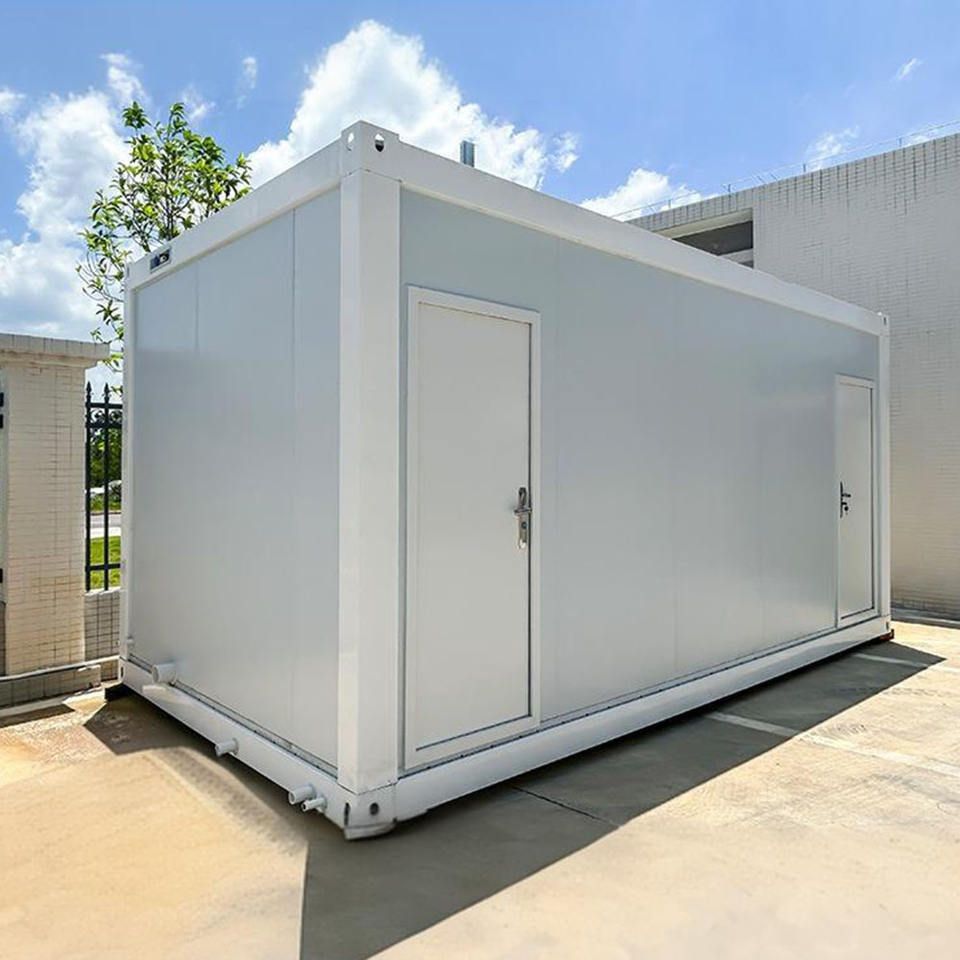
Engineering mobile toilets are temporary or semi-permanent sanitation facilities suitable for large outdoor venues such as factories, construction sites, and scenic spots. They feature flexible deployment, diverse functions, and strong adaptability.
I. Applicable Scenarios and Customization Cases
Engineering mobile toilets primarily serve outdoor areas with dense and mobile populations, such as factories, construction sites, tourist attractions, campsites, and parks. Their advantage lies in the ability to be rapidly deployed and flexibly configured according to actual needs. For example, a factory in Zhejiang, with a high proportion of male employees, customized a toilet ratio of "7 male to 1 female" and completed the design and installation in just 4 days, significantly improving usage efficiency. This customized service reflects the adaptability of mobile toilets to different scenarios.
II. Structural Composition and Functional Modules
Mobile toilets typically consist of the following core components:
- Fecal Treatment System: Includes storage tanks (for waterless flushing or suction-type) or disposal units (such as circulating water flushing, dry packing, etc.), ensuring harmless treatment or centralized removal of excreta.
- Basic Structure: The floor uses anti-slip and waterproof materials; walls and roofs often employ metal carved panels and steel structural frames, balancing durability and aesthetics to withstand harsh outdoor weather.
- Sanitation Facilities: Equipped with independent squatting positions, urinals, public handwashing areas, and water tanks, some high-end models also offer additional functions like hand dryers and lighting.
- Mobile Devices: Depending on needs, they can be classified as lifting-type, trailer-type, or powered-type, facilitating transportation and repositioning.
III. Classification Methods and Technical Characteristics
- By Structural Form:
- Single Structure: Independent units suitable for small-scale scenarios, such as individual construction sites or temporary events.
- Composite Structure: Multi-unit combinations that can be expanded into large public toilets to meet high traffic demands in scenic spots or campsites.
- By Mobility Method:
- Lifting/Handling Type: Relies on lifting equipment or manual handling, suitable for short-term projects.
- Powered/Trailer Type: Equipped with its own power or can be connected to vehicles, ideal for scenarios requiring frequent movement.
- By Sewage Treatment:
- Water Flush Type: Requires connection to a water source and uses a circulating system to reduce water consumption, suitable for areas with infrastructure.
- Waterless Suction Type: Relies on vacuum sewage trucks for regular cleaning, suitable for water-scarce environments.
- Dry Packing Type: Uses biodegradable bags to collect excreta, requiring no water or electricity, making it ideal for remote areas.
IV. Classic Models and Long-Term Use
Some mobile toilets feature metal carved panel exteriors and steel structural frames, with a design life of over 10 years, suitable for year-round outdoor use. For example, a classic 4-squatting position model includes a public handwashing area in the middle, with toilet compartments equipped with independent squatting positions and urinals, balancing privacy and practicality, ideal for long-term deployment in parks or campsites.



