
Emergency Mobile Toilet
Emergency mobile toilets are facilities designed to meet temporary and阶段性 (phased) toilet needs in specific situations, offering advantages such as mobility, modularity, and ease of transportation.
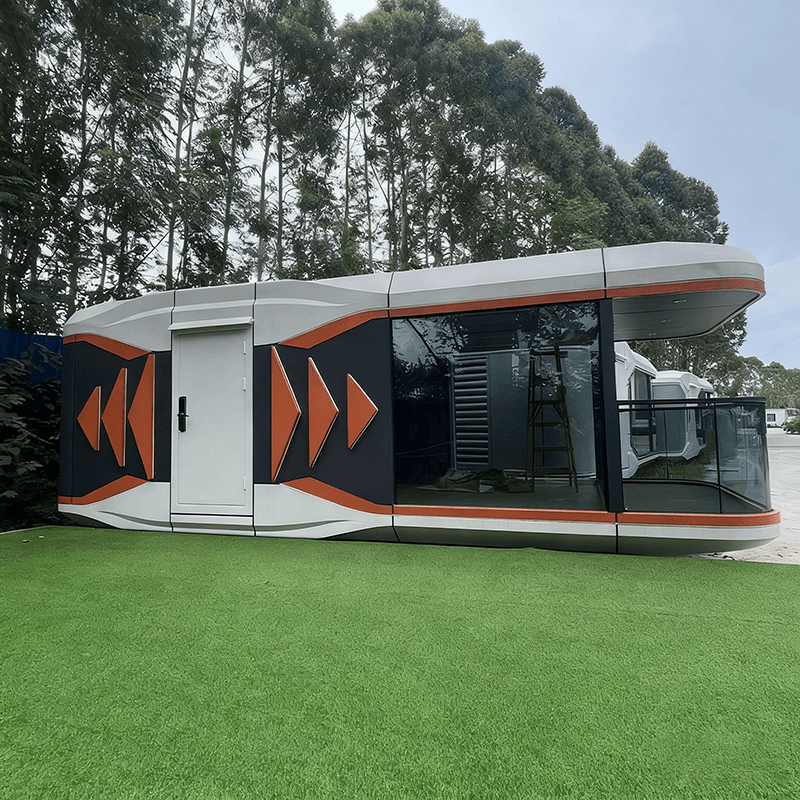
Diverse Types: Common types include 4-seat single-pit emergency packing toilets, which can operate in environments without water or electricity, meeting basic needs under extreme conditions. Another typical type is the packing-type mobile toilet, featuring stainless steel packing squat toilets that require no plumbing or sewage connections. Users can complete fecal packing with a single foot-pedal operation. The entire unit is made of stainless steel, ensuring durability and suitability for long-term, repeated use.
Structural Composition: Mobile toilets typically consist of multiple functional modules:
- Fecal Treatment System: Includes fecal sewage storage tanks or disposal units for collecting and temporarily storing waste. Some models are equipped with waterless flushing suction or dry packing technologies.
- Basic Structure: Comprises flooring, walls, and a roof, forming an enclosed space to ensure privacy and hygiene during use.
- Sanitary Facilities: Equipped with sanitary fixtures (such as squat or seat toilets), washing facilities (such as sinks), and water tanks. Some high-end models support recirculating water flushing systems.
- Mobility Devices: Depending on the design, they can be classified as lifting and handling types (requiring lifting equipment assistance) or powered towing types (self-propelled or connectable to vehicle traction).
Classification Methods:
- By Structural Form: Divided into single-unit structures (independent units) and composite structures (multiple modules combined).
- By Mobility Method: Includes lifting and handling types (relying on external machinery) and powered towing types (capable of autonomous movement or being towed by vehicles).
- By Sewage Treatment Method: Covers water-flush types (requiring a water source), waterless flushing suction types (vacuum sewage removal), recirculating water-flush types (water recycling), and dry packing types (waterless treatment).
Application Scenarios: Due to their flexibility and adaptability, emergency mobile toilets are widely used in natural disaster relief, large-scale outdoor events, construction sites, military operations, and other scenarios, effectively addressing temporary toilet needs while reducing reliance on fixed infrastructure.



