
Electronic Mobile Toilet
Electronic mobile toilets can be understood as smart mobile toilets, which are facilities that can be moved as a whole and provide toilet services to the public. They feature various types, significant price differences, and are composed of multiple parts.
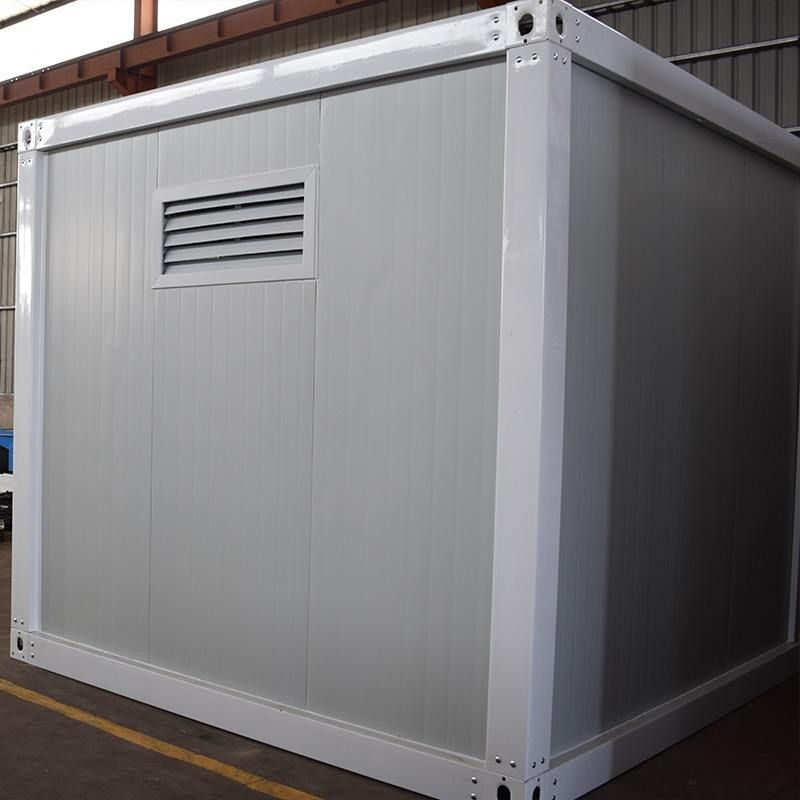
Diverse Types: Based on sewage treatment methods, electronic mobile toilets can be classified into several types. Water-flush and non-water-flush suction-type mobile toilets allow for the selection of appropriate water treatment methods according to different scenario requirements; recirculating water-flush mobile toilets enable the recycling of water resources, improving water utilization efficiency; dry-packing mobile toilets do not require water and handle feces through packing, making them suitable for water-scarce areas or temporary locations.
Significant Price Differences: There are notable price differences among smart mobile toilets from different manufacturers and types. For example, the unmanned LED display intelligent restroom guidance management system for scenic spots and service areas from Xunpeng Smart Restroom is priced at 5,200 yuan; the smart outdoor mobile toilet from Yued Environmental Protection Equipment Manufacturing Factory in Dezhou Economic and Technological Development Zone costs only 788.5 yuan; while the outdoor seated smart eco-friendly toilet, plastic mobile toilet, restroom, outdoor scenic spot washroom from Xiamen Topra Material Technology Co., Ltd. is priced as high as 6,800 yuan. Price differences are mainly influenced by factors such as product functionality, materials, and brand.
Composition and Structure: Electronic mobile toilets are generally composed of multiple parts. The fecal sewage storage tank (or fecal sewage treatment device) is used to collect and treat fecal sewage; the floor ensures the safety of users when walking; sanitary fixtures provide basic toilet functions; walls serve to isolate and protect privacy; washing facilities facilitate user cleaning; water tanks supply water for water-flush toilets; the roof provides shelter from wind and rain; and the mobile device enables the entire toilet to be moved, meeting the needs of different locations.
Design Principles: The design of electronic mobile toilets adheres to principles such as mobility and convenience, economic durability; environmental protection and eco-friendliness; enhancing efficiency and promoting humanitarianism, in order to better meet the public's toilet needs while minimizing environmental impact.



