
Durable Mobile Toilet
Durable mobile toilets typically possess core characteristics such as corrosion resistance, ease of cleaning, and robust structure, and their selection requires comprehensive consideration of usage scenarios, materials, and craftsmanship.
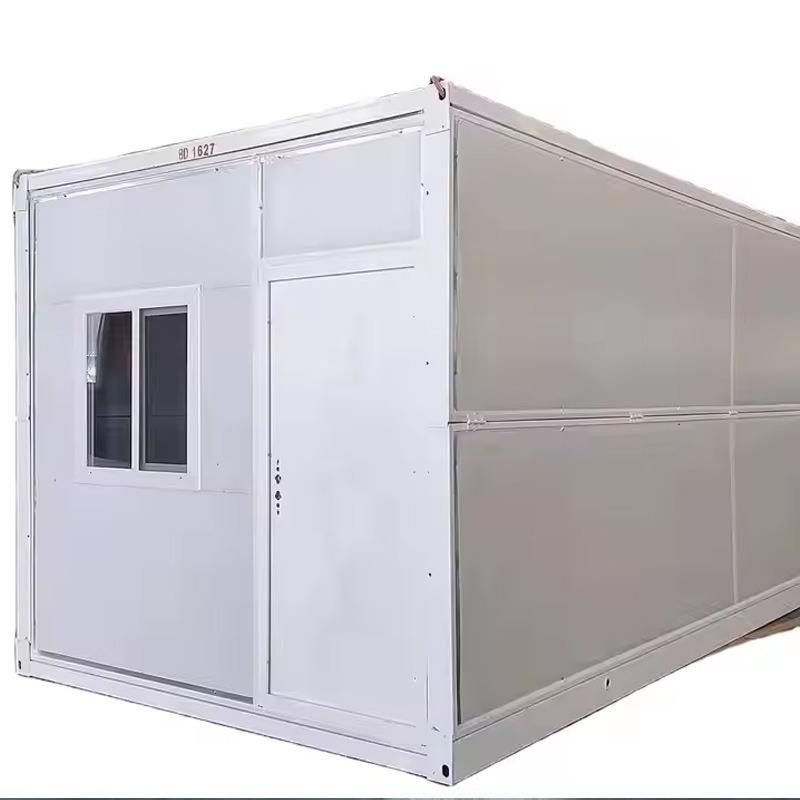
Material selection directly impacts durability. Fiberglass-reinforced plastic (FRP) mobile toilets are widely used in scenic spots and long-term outdoor locations due to their inherent corrosion resistance and ease of cleaning. Their smooth surfaces make it difficult for stains to adhere, and they can resist erosion from rainwater, acids, and alkalis, resulting in lower maintenance costs. Modular mobile toilets, on the other hand, adopt a modular design, with their main structures often constructed from metal materials such as galvanized square steel or aluminum alloy, connected through welding or bolts to form a sturdy framework. For example, a toilet welded with 100*100 galvanized square steel can meet long-term usage demands, and the galvanized layer effectively prevents steel from rusting, extending its service life.
Corrosion protection processes are crucial details. In humid, salt-spray, or industrial pollution environments, the metal components of mobile toilets need to be enhanced for corrosion resistance through special processes. For instance, steel surfaces can undergo hot-dip galvanizing to form a dense zinc layer for protection; aluminum alloy components can be treated with anodizing to generate an oxide film on the surface, improving corrosion resistance. Additionally, for environments with intense ultraviolet radiation at high altitudes, the exterior surfaces of toilets need to be coated with weather-resistant polyester coatings, which can absorb ultraviolet rays and resist photochemical reactions, delaying material aging and preventing surface cracking or fading.
Environmental adaptability optimization enhances practicality. Different usage scenarios have varying durability requirements for mobile toilets. At construction sites or large-scale temporary events, the modular design of modular mobile toilets supports rapid assembly and disassembly as well as repeated use, and their materials and craftsmanship need to meet the strength demands of frequent handling; whereas in scenic spots or remote areas, toilets need to be wind-resistant and snow-resistant, with structural designs incorporating reinforced crossbeams or adjusted roof slopes. For example, some products optimize the sealing of doors and windows to prevent rainwater infiltration and internal corrosion, while using anti-slip flooring materials to reduce wear and tear over long-term use.
Key parameters should be carefully examined during selection. Purchasers should pay attention to indicators such as material thickness (e.g., whether the wall thickness of steel reaches above 3mm), the coverage scope of corrosion protection processes (whether all metal components are included), and coating thickness (it is recommended that weather-resistant coatings be no less than 80μm). These details directly determine the usage experience and overall lifespan of mobile toilets under extreme weather conditions (such as high temperatures, severe cold, and strong winds).



