
Do Container Houses Have Fleas?
Container houses themselves do not naturally breed fleas, but infestation can still occur if fleas are brought in from the environment or items. The breeding of fleas is usually related to sanitary conditions, pets carrying them, or external invasions, and has no direct connection with the type of house (such as container houses or traditional houses). Here is a detailed analysis:
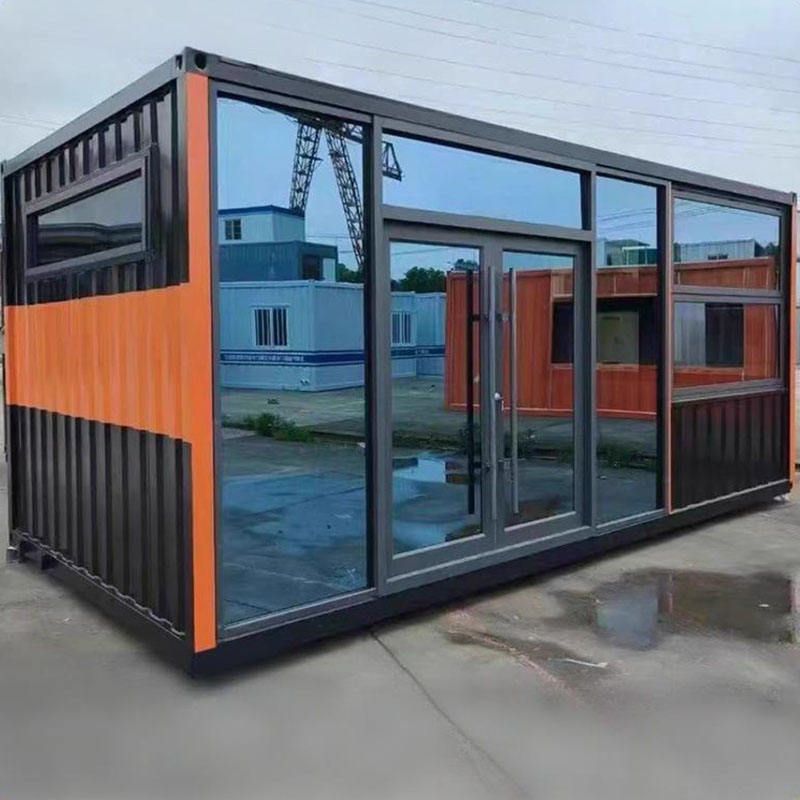
Core Conditions for Flea Breeding
The reproduction of fleas requires three key conditions: hosts (such as pets and rodents), a suitable environment (damp, dark, and cluttered), and space for egg survival. If there are un-dewormed pets inside the container house, stray animals enter, or items contaminated with fleas (such as second-hand furniture and clothing) are brought in from the outside, the container house may become a habitat for fleas.
Potential Risk Factors for Container Houses
- Ventilation and Humidity: If a container house has poor ventilation and high humidity (such as long-term lack of dehumidification), it may provide a suitable developmental environment for flea larvae.
- Item Carriage: Second-hand textiles (bed sheets, carpets), pet supplies, or items brought in from grass or old houses may carry fleas or eggs.
- External Invasion: Stray cats, dogs, rats, and other animals entering the house may introduce fleas indoors.
Prevention and Control Measures
- Environmental Cleaning: Regularly clean the corners of the house, under the bed, and sofa crevices to reduce dust accumulation; use a vacuum cleaner to clean the floor and furniture crevices, and immediately seal and discard the dust bag after vacuuming.
- High-Temperature Treatment: Wash bed sheets, quilt covers, pet pads, and other textiles with hot water above 60°C and expose them to the sun; items that cannot be washed (such as fabric sofas) can be treated with high temperature using a steam cleaner.
- Pet Management: Regularly use external deworming drugs for pets (such as drops containing fipronil and selamectin), comb their fur, and check for flea feces or adult fleas.
- Humidity Control: Use a dehumidifier to keep the indoor humidity below 50%, disrupting the developmental environment of flea larvae.
- Chemical Control: In cases of severe flea infestation, a pesticide containing pyrethroids can be selected to spray hidden areas such as corners of walls and skirting boards. After spraying, close the doors and windows for 2-4 hours, and then open them for ventilation.
- Physical Control: Place flea sticky traps or shallow dishes of soapy water in the corners of the room to attract and trap fleas using their phototaxis.



