
Dimensions of Portable Toilets
The dimensions of portable toilets vary depending on their type and functional requirements. Common specifications are as follows:
I. Common Single-Stall Specifications
The external dimensions of a single-stall portable toilet typically range from 1.2 to 1.5 meters in length (some sources suggest 1.1 to 1.5 meters), 1.0 to 1.2 meters in width, and 2.2 to 2.5 meters in height (with some starting at 2.2 meters). These toilets are suitable for temporary events or spaces with limited room, requiring internal dimensions that meet basic restroom needs. The clear width of the toilet area should generally be no less than 0.85 meters, ideally ranging from 0.9 to 1.0 meters; the clear depth should be 1.2 to 1.5 meters to ensure user mobility; and the door width should be no less than 0.6 meters for easy access.
II. Multi-Stall Combination Specifications
Multi-stall portable toilets expand capacity through modular combinations, with common specifications including:
- Two-Stall Units: These may reach lengths of 2.4 to 3.0 meters while maintaining a width of 1.0 to 1.2 meters, suitable for medium-scale events or temporary venues.
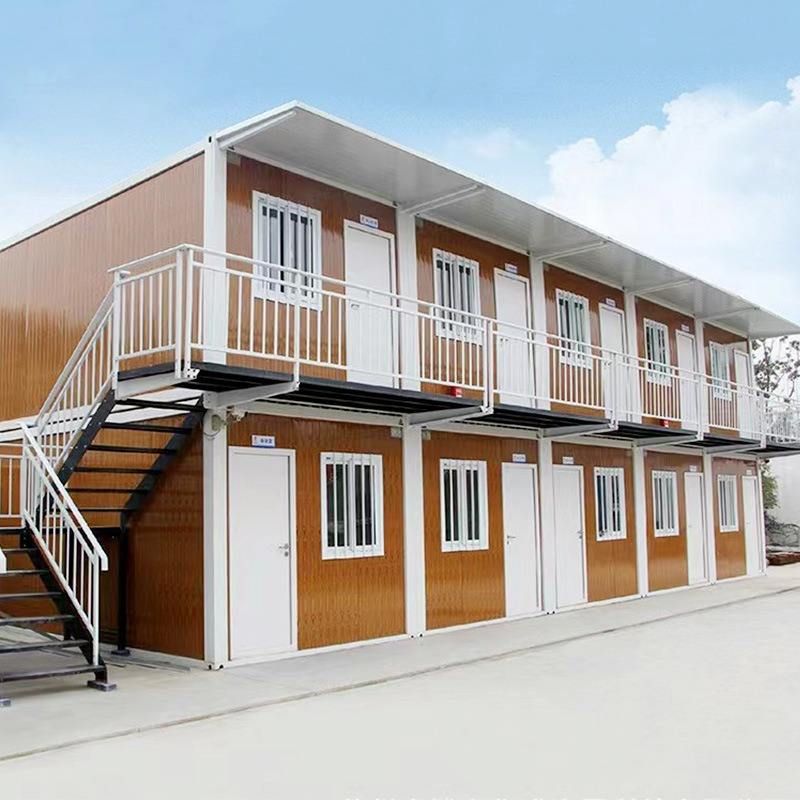
- Large Container-Type Public Restrooms: These can exceed 6 meters in length and 2.5 meters in width, accommodating multiple male and female stalls, accessible toilets, and management rooms to meet high-traffic demands. Some double-stall combinations can even reach lengths of 6.8 meters, ideal for large exhibitions or construction sites.
III. Internal Functional Area Dimensions
- Accessible Stalls: Designed to meet the needs of individuals with disabilities, these stalls typically require an internal clear width of at least 1.5 meters and a clear depth of 1.8 meters, equipped with handrails, emergency call devices, and other assistive features.
- Management Rooms: Large portable restrooms may include separate management rooms for storing cleaning supplies or monitoring equipment, with dimensions customized according to functional needs. Generally, the width should be no less than 1.2 meters, and the length adjusted based on equipment layout.
IV. Basis for Dimension Selection
The dimension design of portable toilets should consider usage scenarios, traffic volume, functional requirements, and transportation constraints. For example, single-stall toilets are suitable for short-term events, while multi-stall or large container-type public restrooms are more appropriate for long-term or high-traffic scenarios. The configuration of accessible stalls should comply with relevant regulations to ensure convenience for individuals with disabilities.



