
Differences Between Prefabricated Houses
The differences between prefabricated houses and traditional houses are mainly reflected in construction methods, costs, quality, flexibility, environmental sustainability, and application scenarios:
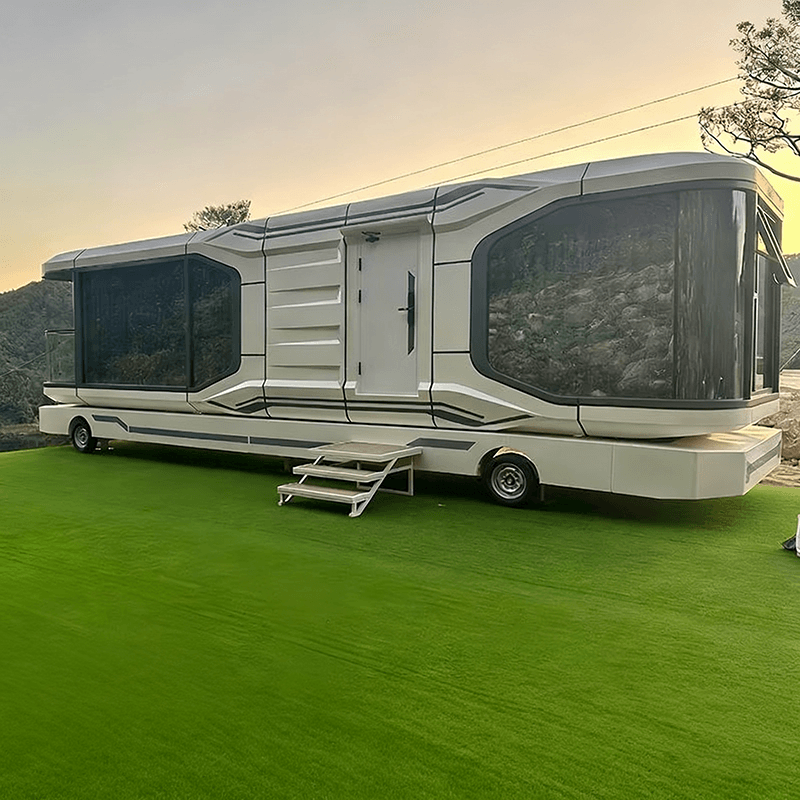
Construction Methods and Speed: Prefabricated houses are produced using factory-made components that are then transported to the site for assembly, resulting in significantly faster construction speeds compared to traditional houses. For example, a 100-square-meter prefabricated home can be completed in just 1-2 months, whereas a traditional brick-and-mortar home may take more than 6 months. Traditional houses rely on on-site construction, which takes longer and is more susceptible to quality variations due to the skill level of the workers, leading to potential construction errors.
Costs and Economic Efficiency: The initial cost of a prefabricated house may be 10%-30% higher than that of a traditional brick-and-mortar house, but the overall lifecycle cost is lower. For instance, a 200-square-meter light-steel prefabricated home costs approximately 356,000 yuan, while a brick-and-mortar home costs around 390,000 yuan. Although traditional houses may seem cheaper initially, extended construction periods can lead to additional costs such as labor delays and temporary housing expenses, along with higher long-term maintenance costs.
Quality and Standardization: Prefabricated house components are produced in factories using computer-controlled molds, resulting in millimeter-level precision and more stable quality. They can withstand seismic intensities up to magnitude eight, with steel structures offering over 50% better seismic performance than brick-and-mortar structures. Traditional houses rely heavily on the craftsmanship of workers, leading to potential quality inconsistencies, such as varying crack sizes in different rooms of the same building, and lower standardization.
Flexibility and Customization: Prefabricated houses feature modular designs that allow for customizable layouts and even disassembly and reassembly. However, their floor plans are relatively fixed, making post-construction modifications difficult, such as adjusting plumbing or interior finishes. Traditional houses can be easily reconfigured according to needs, offering higher levels of customization and adaptability.
Environmental Sustainability: The factory production of prefabricated houses reduces on-site dust, noise, and waste pollution. Many use recyclable materials like light steel and wood, meeting green building standards. Traditional houses generate more pollution during on-site construction and have higher material waste rates, making them less environmentally friendly.
Application Scenarios: Prefabricated houses are widely used in rural self-built homes, tourist accommodations, temporary housing, and post-disaster reconstruction due to their rapid construction and mobility advantages. Traditional houses are more commonly used for permanent residential buildings that meet stable living needs.



