
Demountable Prefabricated Housing
Demountable prefabricated housing is a construction model that breaks down buildings into independent modules, which are prefabricated in factories and then transported to the site for assembly. It features short construction periods, controllable quality, and energy efficiency and environmental protection.
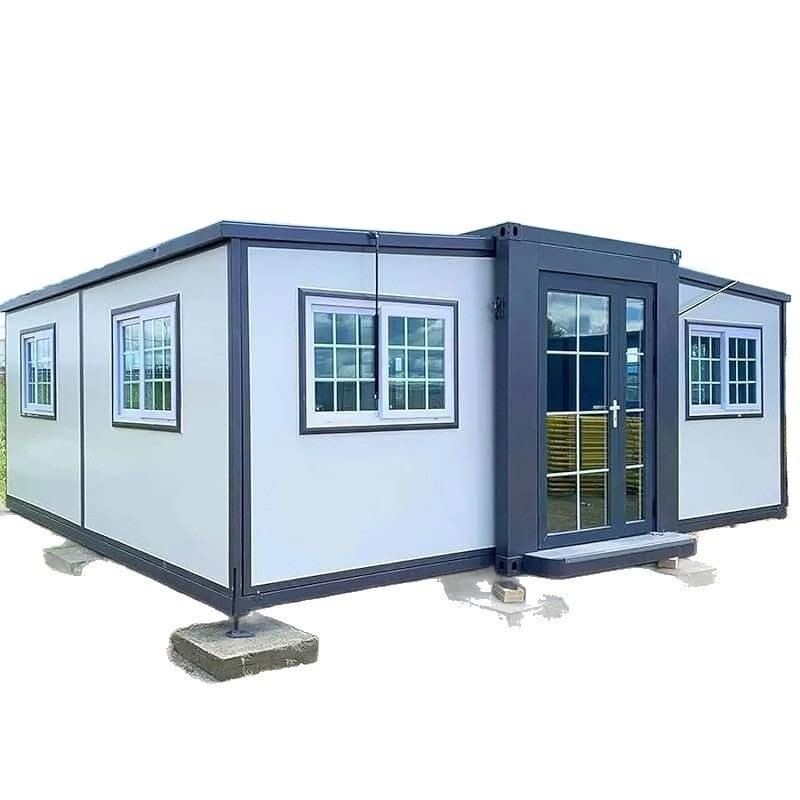
1. Core Features and Advantages
Demountable prefabricated housing employs modular design, dividing buildings into independent components such as ceilings, floors, and plumbing and electrical systems. These components are prefabricated on factory assembly lines and then transported to the site for assembly. This approach significantly shortens construction periods. For example, a public housing project in Shenzhen, Guangdong, used 6,028 concrete modules for assembly, reducing the construction period from 2.5-3 years to 1 year and reducing on-site labor by about 50%. Additionally, factory production reduces noise, dust, and other pollution from on-site operations, meeting energy efficiency and environmental protection requirements. Furthermore, the modular structure facilitates quality control, with prefabricated components offering superior precision and performance compared to traditional on-site construction, ensuring more stable overall quality.
2. Structural Types and Technological Breakthroughs
The earthquake-resilient, rapidly assemblable, multi-story prefabricated steel structure system is a typical example of demountable prefabricated housing. It achieves a prefabrication rate of over 90%, featuring high standardization and simple installation. By optimizing beam-column connection nodes and support designs, the system enables rapid post-earthquake repair through damage assessment: if energy-dissipating components (such as dampers) are damaged, they can be replaced to restore functionality quickly and at low cost. This technological breakthrough addresses the challenge of post-earthquake repair in traditional steel structures, enhancing building safety and cost-effectiveness.
3. Application Scenarios and Product Diversity
Demountable prefabricated housing has a wide range of applications, covering both temporary and permanent buildings. For example, temporary products like K-type portable cabins and foldable packing-box mobile homes are commonly used on construction sites. These are inexpensive (ranging from tens to hundreds of yuan per square meter) and can be quickly assembled and disassembled for reuse. Customized K-type portable cabins from cross-border manufacturers are optimized for specific needs. For permanent buildings, such as public housing and schools, concrete modules or steel structure systems enable efficient construction while meeting long-term use requirements. Market prices for these products vary widely (from tens to tens of thousands of yuan per square meter), allowing users to choose appropriate types based on budget, functional needs, and usage periods.
4. Economic and Social Value
This model significantly reduces overall costs by shortening construction periods, reducing on-site labor, and minimizing pollution emissions. Taking the Shenzhen project as an example, the shortened construction period and reduced labor directly saved time and manpower costs, while the environmental benefits align with urban sustainable development requirements. Additionally, the flexibility of modular buildings supports future functional modifications or spatial reorganizations, extending the building lifecycle and further improving resource utilization efficiency.



